Solving Common Circular Connector Problems
Circular connectors are a cornerstone in modern industrial, automotive, and aerospace applications. They provide reliable connections in environments that demand robustness, resistance to vibration, and protection against moisture and dust. Despite their durability, circular connectors can still face operational issues that may disrupt performance. This article explores common circular connector problems and practical troubleshooting approaches, with insights from Dconntek, a leading provider of custom-engineered connectors and cable solutions designed for harsh environments.
1. Loose Connections
One of the most frequent issues with circular connectors is a loose connection. This can result in intermittent electrical contact, signal loss, or even complete failure of the connected system. Loose connections are often caused by improper mating, worn-out pins, or damage to the locking mechanism.
Troubleshooting Tips:
Inspect the connector for signs of physical wear or deformation.
Ensure proper alignment before mating connectors.
Clean the contacts using a suitable non-abrasive contact cleaner to remove dust, debris, or oxidation.
Replace worn-out connectors or pins if they show visible signs of damage.
Dconntek designs connectors with precision-engineered locking mechanisms that maintain secure connections even under vibration or harsh environmental conditions. By collaborating closely with clients, Dconntek ensures connectors are tailored to specific application requirements, reducing the likelihood of loose connections.
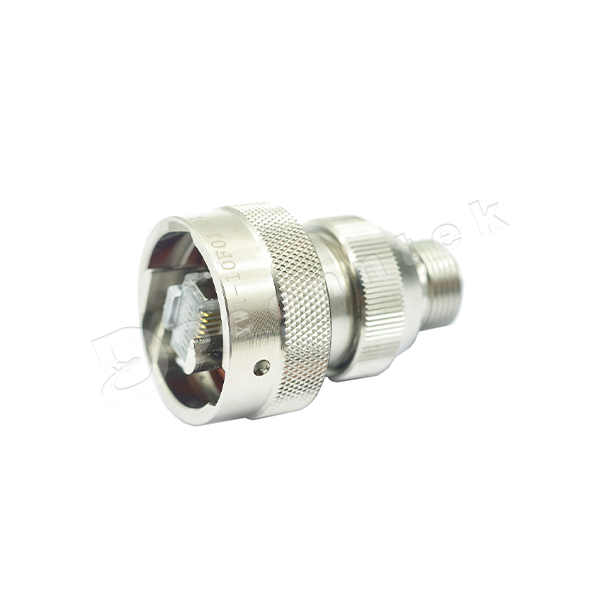
2. Corrosion and Contamination
Corrosion is another prevalent issue, especially in outdoor or high-humidity environments. Water ingress or exposure to chemicals can degrade contacts, leading to increased resistance and potential failure. Contamination from dust, oils, or other particles can similarly affect performance.
Troubleshooting Tips:
Use a multimeter to measure contact resistance and identify high-resistance points.
Inspect the connector for visible corrosion or debris.
Apply protective coatings or dielectric grease where applicable to reduce oxidation.
Replace severely corroded components to restore reliable operation.
Dconntek offers circular connectors with advanced sealing technologies and materials that resist moisture, chemicals, and temperature extremes. Their custom solutions are engineered to maintain stable performance in demanding conditions, ensuring long-term reliability.
3. Misalignment and Mating Issues
Misalignment during connector mating can damage pins or sockets and compromise the integrity of the connection. This problem often occurs in applications with limited accessibility or when connectors are frequently coupled and decoupled.
Troubleshooting Tips:
Verify correct orientation before insertion.
Use connectors with guiding features to facilitate proper alignment.
Avoid applying excessive force, which may bend pins or deform sockets.
Implement strain relief mechanisms to prevent misalignment due to cable movement.
Dconntek’s connectors are designed with precise alignment features and robust housings to minimize the risk of mating errors. Their engineers work with clients to ensure each connector fits perfectly within the intended assembly, even in confined or complex installations.
4. Electrical Noise and Signal Integrity
In high-speed data or sensitive signal applications, electrical noise can compromise performance. Poor shielding, damaged contacts, or improper grounding can lead to interference, resulting in data loss or signal degradation.
Troubleshooting Tips:
Inspect cables and connectors for damaged shielding.
Ensure proper grounding of all connected components.
Test signal continuity and resistance to identify problematic areas.
Use connectors with integrated EMI/RFI shielding for high-frequency applications.
Dconntek provides solutions that address signal integrity concerns through customized shielding, high-quality contacts, and precise cable assembly techniques. This focus on quality ensures that critical data signals remain stable, even in electrically noisy environments.
5. Mechanical Stress and Fatigue
Mechanical stress, such as vibration, bending, or impact, can gradually damage connectors. Fatigue may manifest as broken pins, cracked housings, or compromised strain relief, ultimately affecting connector performance.
Troubleshooting Tips:
Examine the connector for visible signs of mechanical stress.
Ensure that cables are properly supported to reduce bending or pulling forces.
Select connectors rated for the specific mechanical loads of the application.
Replace components showing early signs of fatigue to prevent unexpected failures.
Dconntek specializes in rugged connector designs that withstand mechanical stress in industrial, automotive, and aerospace environments. Their solutions are engineered to maintain consistent performance, even under harsh operating conditions.
6. Temperature Extremes
Extreme temperatures, both high and low, can affect connector materials and contacts. Thermal expansion or contraction may loosen connections, while insulation or plastic components can become brittle over time.
Troubleshooting Tips:
Verify the connector’s temperature rating against operating conditions.
Inspect for thermal damage, such as discoloration or deformation.
Use heat-resistant or low-temperature-rated materials in extreme environments.
Ensure connectors are installed with proper ventilation or cooling where necessary.
Dconntek’s custom connector solutions include options for wide temperature ranges, ensuring reliable operation from freezing cold to high-heat industrial applications. Their designs account for both material properties and assembly techniques, providing stable performance under temperature stress.
Conclusion
Circular connectors are essential for reliable electrical and signal connections in demanding environments, but they are not immune to issues such as loose connections, corrosion, misalignment, electrical noise, mechanical stress, and temperature extremes. Effective troubleshooting requires careful inspection, proper maintenance, and understanding of application-specific requirements.
By leveraging high-quality, custom-engineered solutions from Dconntek, engineers can reduce failure rates and enhance system reliability. Dconntek’s commitment to collaborating with clients ensures that every connector solution is tailored for optimal performance, fast delivery, and consistent quality. With these best practices in mind, circular connector problems can be addressed efficiently, keeping systems running smoothly in even the most challenging environments.
www.dconntek.com
Dconntek
Post Comment