Complete Guide to Choosing Seamless Carbon Steel Pipe for Chemical Applications
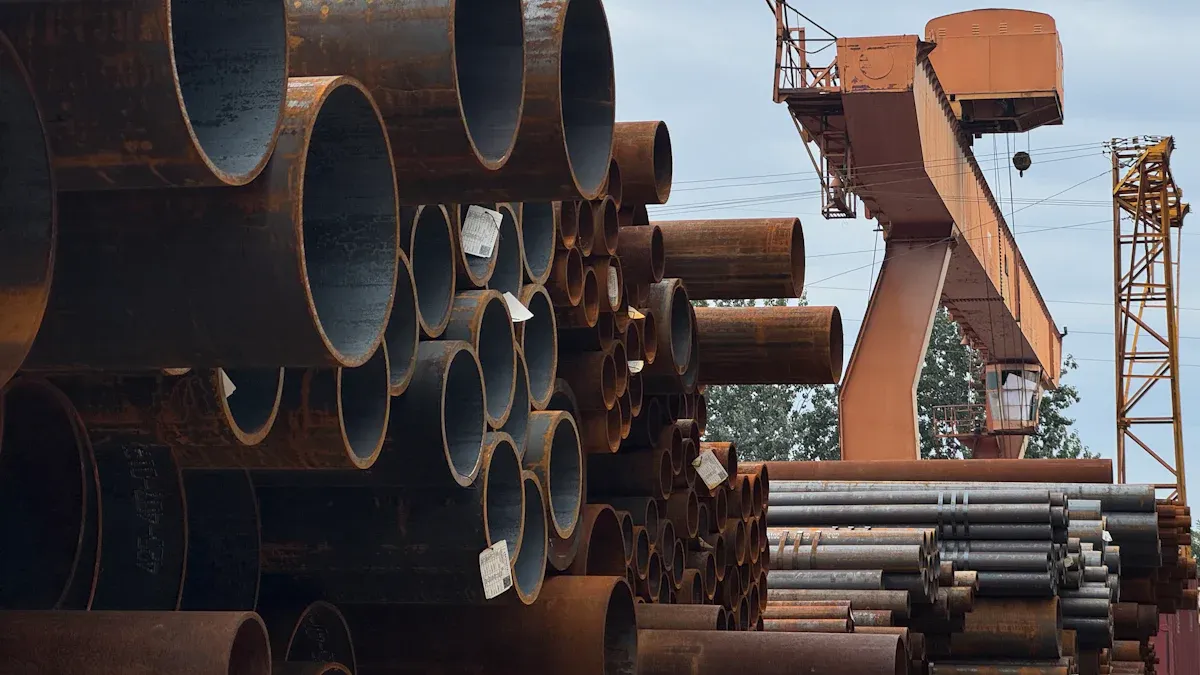
Choosing the right seamless carbon steel pipe for chemicals can feel hard. You have to make choices that affect safety and rules. These choices also change how well your plant works. If you pick the wrong pipe, it can rust or leak. This can be very dangerous, especially with strong chemicals. Seamless pipes are better for high pressure and heat. Welded pipes are better for easier jobs. Ming Xing Group knows a lot about both kinds of pipes. They help you pick the best pipe for your project. This helps you avoid mistakes and keeps your work safe and smooth.
Key Takeaways
-
Seamless carbon steel pipes are strong and safe for chemicals. They do not have welds, so leaks are less likely.
-
Pick the right pipe by thinking about chemical compatibility, temperature, pressure, and wall thickness. This helps keep things safe and working well.
-
Checking and taking care of your pipes often can make them last longer. It also stops corrosion and keeps your plant safe.
-
Always ask suppliers for Mill Test Certificates. These show your pipes meet industry rules and are right for your job.
-
Talking to experts can help you choose better and avoid expensive mistakes when picking seamless pipes.
What Are Seamless Carbon Steel Pipes?
Seamless Pipe Definition
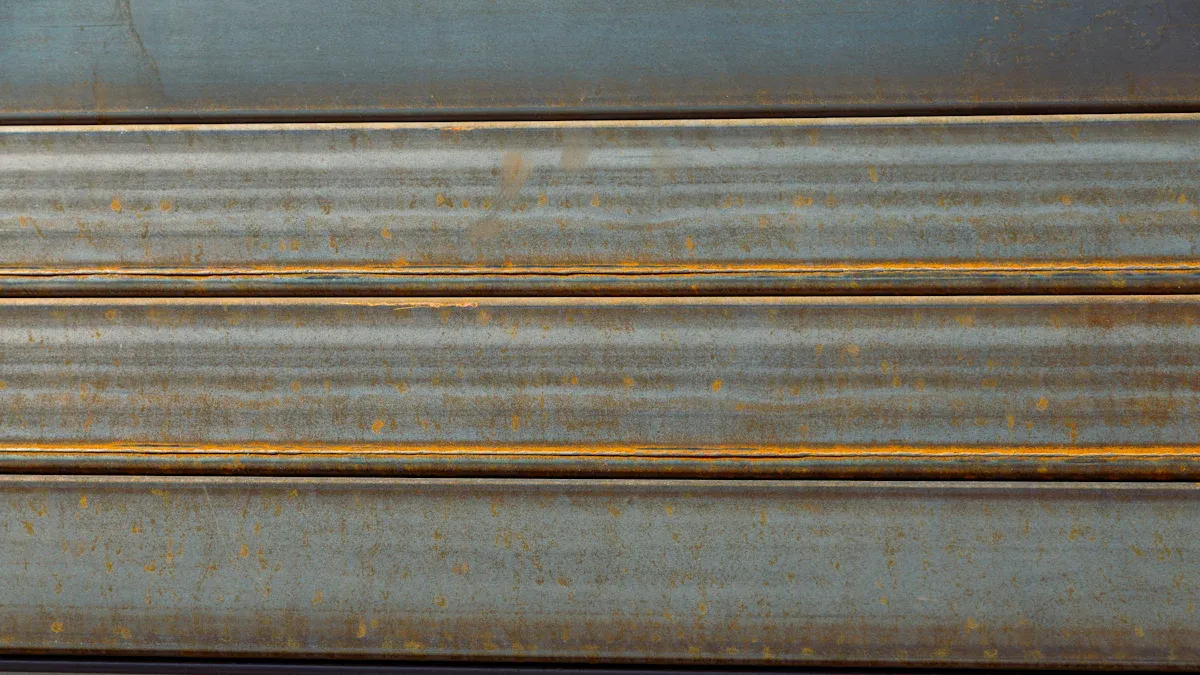
You might ask how seamless pipes are different. A seamless carbon steel pipe is a round tube with no welds. It is made from one solid piece of carbon steel. This way, the pipe stays the same all the way through. The pipe is strong and works well for hard jobs.
Manufacturing Process Overview
To know why seamless pipes are good, look at how they are made. Here are the main steps:
-
Workers heat a solid steel billet until it gets soft.
-
They poke a hole and stretch it to make a hollow tube.
-
The tube is rolled and stretched to get the right size.
-
The pipe cools down in a special place.
-
Machines make the pipe straight.
-
The pipe gets polished and checked for quality.
This careful work makes sure each pipe is ready for chemical plants.
Key Benefits for Chemical Applications
You need pipes that keep chemicals safe and help your plant work well. Carbon steel seamless pipes have many good points:
-
There are no welds, so there are no weak spots. This means leaks are less likely.
-
The pure steel helps the pipe fight rust.
-
These pipes can handle high heat and pressure.
-
The design helps stop corrosion when moving strong chemicals.
Tip: Picking seamless pipes helps you avoid leaks and rust. These problems happen a lot in chemical plants.
With these good points, it is easy to see why chemical plants use carbon steel seamless pipes for important jobs.
Applications of Seamless Carbon Steel Pipe for Chemical Use
Common Chemical Industry Uses
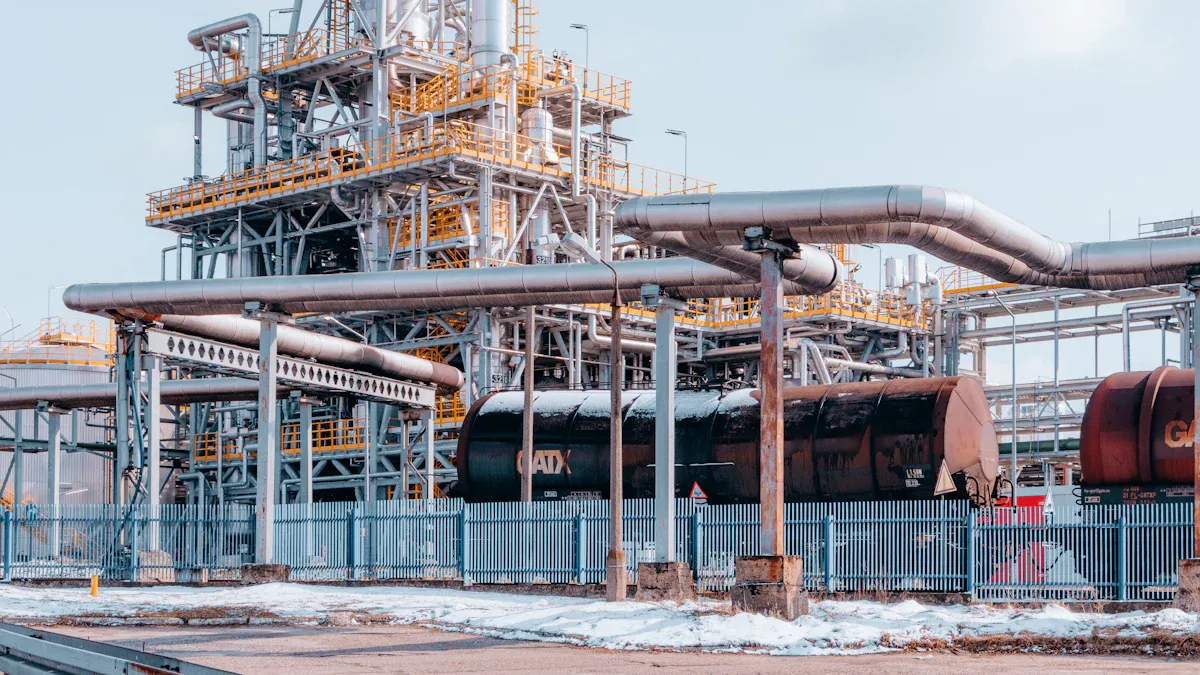
Many chemical plants use carbon steel seamless pipes. These pipes are strong and safe for moving chemicals. Here are some places where they are used:
-
Petroleum cracking units
-
Fertilizer production plants
-
Chemical fiber manufacturing
-
Pipeline transportation systems for crude oil and natural gas
Seamless carbon steel pipe for chemical use can handle high pressure and heat. You can use these pipes to move harsh chemicals. The inside of seamless pipes is smooth. This helps chemicals flow easily and stops blockages. It keeps your plant safe and working well.
Comparison: Seamless vs. Welded Pipes
You might wonder why many plants pick seamless pipes instead of welded pipes. Both types are important. Ming Xing Group sells welded pipes for energy and building jobs. But chemical plants need more safety and strength.
Here are the main reasons seamless pipes are better for chemical use:
|
Key Factor |
Explanation |
|---|---|
|
Absence of welded edges |
Lowers the chance of contamination, keeping products safe and pure. |
|
Ability to withstand harsh chemicals |
Seamless pipes can handle tough conditions, so they work well in chemical plants. |
|
Smooth inner surface |
Makes it easy for chemicals to flow, so there is less waste. |
Seamless pipes have walls that are the same all around. There are no welds, so there are fewer weak spots and less chance of leaks. Steel seamless pipes can handle very high pressure, even up to 1000 bar. They can also take heat over 600°C. These things make them great for hard jobs in chemical plants. You get longer use and spend less on repairs. This helps keep your plant safe and your products good.
Note: When you choose carbon steel seamless pipes, make sure the pipe fits your chemical and job needs.
Key Criteria for Choosing the Right Carbon Steel Seamless Pipe
Chemical Compatibility
You must check if the pipe matches the chemicals in your plant. Some chemicals can damage pipes fast. Others need pipes that can handle high heat or cold. When choosing the right carbon steel seamless pipe, look at these main points:
|
Consideration |
Description |
|---|---|
|
Temperature |
Pick materials that stay strong when hot. Some chemicals need high heat to move. |
|
Corrosive Environment |
Use pipes that resist acids, alkalis, and other harsh chemicals. |
|
Make sure the pipe can handle the pressure in your system. |
|
|
Choose pipes that stay tough in very cold places, like LNG plants. |
If you match the pipe to your chemicals, you keep your plant safe and your products pure.
Material Grades and Properties
You need to know the grade of your pipe. Each grade has its own strength and use. For example, ASTM A106 and ASTM A53 are common grades for chemical plants. These grades tell you how much heat and pressure the pipe can take. When choosing the right steel pipe, always check the grade. This helps you meet your application requirements and keeps your plant running well.
Some grades work better for high pressure. Others are best for high heat. You should ask your supplier for the grade that fits your job. Good grades mean better quality and longer life for your pipes.
Size and Wall Thickness
The size and wall thickness of your pipe matter a lot. If you pick the wrong size, your system may not work right. Wall thickness affects how strong the pipe is. It also changes how long the pipe lasts.
-
Uneven wall thickness can cause cracks, especially when pressure is high.
-
If the wall is too thin, the pipe may rust faster and break early.
-
Thick walls help the pipe last longer, especially if you use surface treatments like galvanizing.
-
Uniform thickness keeps the flow smooth and stops blockages.
When choosing the right carbon steel seamless pipe, always check the size and wall thickness. This keeps your system safe and helps your pipes last longer.
Corrosion Resistance
Corrosion can ruin pipes fast in chemical plants. You need to protect your pipes from rust and other damage. Here are some ways to do that:
|
Strategy |
Description |
|---|---|
|
Design and material selection |
Pick the best carbon steel and design the layout to avoid stress points. |
|
Protective coatings |
Use tape, fiberglass, or resin sleeves to block moisture and air. |
|
Cathodic protection |
Use sacrificial anodes or electric current to stop rust in underground or underwater pipes. |
|
Environmental control measures |
Keep pipes dry, make sure water drains away, and avoid harsh environments. |
|
Regular inspection and monitoring |
Check pipes often with ultrasound or sensors to find rust early. |
|
Corrosion-inhibiting chemicals |
Add special chemicals inside the pipe to slow down rust. |
If you use these methods, your steel seamless pipes can last over 30 years, even in tough places like near the sea.
Pressure and Temperature Ratings
You must know how much pressure and heat your pipes can handle. Each standard has its own limits. Here is a quick look:
|
Standard |
Maximum Pressure |
Maximum Temperature |
|---|---|---|
|
ASTM A106 |
[Insert Value] |
[Insert Value] |
|
ASTM A53 |
[Insert Value] |
[Insert Value] |
|
API 5L |
[Insert Value] |
[Insert Value] |
|
Note |
Avoid use above 425°C due to graphitization. |
When choosing the right steel pipe, always check these ratings. Never use pipes above their limits. This keeps your plant safe and your system strong.
Tip: Seamless pipes and tubes work best when you match them to your plant’s pressure and temperature needs.
If you follow these steps, you will find the best seamless carbon steel pipe for chemical use. You will meet your application requirements and keep your plant running safely.
Industry Standards for Carbon Steel Seamless Pipes
Major Standards (ASTM, ASME, API)
It is important to know the main standards before picking carbon steel seamless pipes for your chemical plant. These standards help you make sure your pipes are safe and strong. Each standard has rules for making and testing pipes. Here is a table with the most important standards:
|
Standard |
Description |
Application |
|---|---|---|
|
ASTM A106 |
Covers seamless carbon steel pipe for high-temperature service |
Used in many industries, not limited to specific applications |
|
ASME |
Standards for industrial tools and machine parts, similar to ASTM |
Covers a wide variety of pipe applications across many industries |
|
API 5L |
Standards for pipe in the oil & gas industry, includes strict testing |
Commonly used in oil & gas settings, similar to A/SA 106 and A/SA 53 |
You should always check if your steel seamless pipes follow these standards. This helps you follow the rules and keeps your plant safe.
Certification and Documentation
You need to ask for the right papers when you buy carbon steel seamless pipes. These papers show your pipes meet the rules and are good for chemical use. Here is a table that explains the main types of certification and documentation:
|
Certification Type |
Description |
|---|---|
|
Mill Test Certificates |
Show that the pipes meet standards like ASTM, ASME, EN, and JIS. They list the chemical and mechanical details. |
|
Third-party Testing |
Independent labs check the Mill Test Certificates. This makes sure the test results are correct. |
|
Traceability Systems |
Each pipe gets a special mark. This mark links the pipe to its certificate, so you can track it at any time. |
You should keep these papers safe. They help you prove your pipes are good if someone asks. Good records also make it easier to fix problems or check your supply chain.
Tip: Always ask your supplier for full certification and traceability. This protects your plant and helps you meet safety rules.
Addressing Challenges in Chemical Applications
Post Comment