Maximizing Efficiency in ESPs with Transformer Rectifiers
Electrostatic precipitators (ESPs) are among the most effective technologies for controlling particulate emissions in power generation, cement, steel, and other heavy industries. When an ESP performs well, it quietly removes fine dust from flue gas streams with high reliability and low operating cost. When it performs poorly, however, efficiency drops quickly, emissions rise, and maintenance teams are forced into reactive mode.
At the center of ESP performance is the transformer rectifier (TR) set. This component converts incoming AC power into the high-voltage DC required to charge particles and drive them toward collecting plates. Optimizing the design, selection, and operation of transformer rectifiers is one of the most practical ways to maximize ESP efficiency in real-world conditions.
This article explores how transformer rectifiers influence ESP performance, where efficiency is commonly lost, and how manufacturers with deep transformer expertise—such as Dingmao (DM)—contribute to more stable, efficient, and reliable ESP systems.
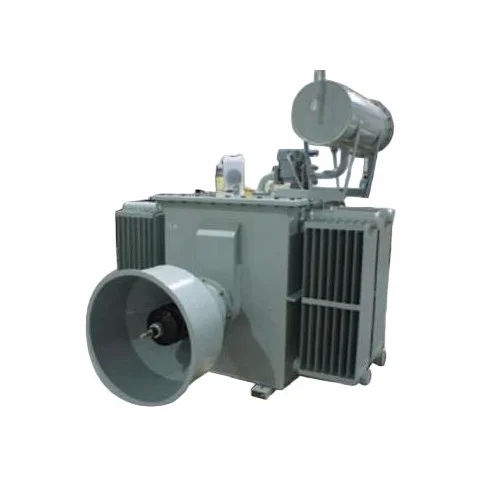
Why Transformer Rectifiers Matter in ESP Systems
An ESP relies on a strong, stable electric field. The transformer rectifier provides that field by stepping up voltage and converting it to DC. In practice, this process is not simple. Flue gas composition changes, dust resistivity varies, and load conditions shift throughout the day.
A well-designed TR set must:
-
Deliver consistent high voltage under fluctuating loads
-
Respond quickly to spark and arc events
-
Minimize electrical losses and heat generation
-
Operate reliably in harsh industrial environments
If any of these functions fall short, the ESP’s collection efficiency declines. The result may be higher stack emissions, increased power consumption, or accelerated wear on internal components.
Common Efficiency Bottlenecks in ESP Transformer Rectifiers
Many ESP systems struggle not because of poor precipitator design, but because of limitations in their transformer rectifiers. Some of the most common bottlenecks include:
1. Voltage instability
Poor core design or inadequate insulation can lead to voltage ripple and instability. This reduces the effective charging of particles and lowers collection efficiency.
2. High no-load and load losses
Inefficient transformer cores generate excess heat. This wasted energy does not contribute to particle capture and increases cooling requirements.
3. Slow response to spark conditions
When sparks occur between electrodes, the TR set must quickly reduce and then restore voltage. Delayed response limits the average operating voltage and reduces overall ESP performance.
4. Limited adaptability
Older TR designs often lack the flexibility to operate efficiently across a wide range of dust types and gas conditions, forcing operators to compromise on settings.
Addressing these issues starts with transformer fundamentals: core materials, winding design, rectification quality, and thermal management.
The Role of Advanced Transformer Core Technology
One of the most effective ways to improve TR efficiency is through better transformer core materials. Core losses account for a significant portion of energy waste in high-voltage transformers operating continuously.
Dingmao (DM) began its transformer journey in 1970 in Taiwan and built early expertise through cooperation with GE Prolec, focusing on amorphous steel cores for distribution transformers. Amorphous cores are known for their low hysteresis and eddy current losses, making them especially valuable in applications that operate around the clock—like ESPs.
By applying similar principles to industrial and energy-sector transformers, DM has been able to:
-
Reduce no-load losses
-
Improve voltage stability
-
Lower operating temperatures
-
Extend transformer service life
These improvements translate directly into more stable ESP operation and lower energy consumption over time.
From Core to Complete Transformer Rectifier Sets
Modern ESP systems demand more than just a good transformer core. They require fully integrated TR sets that combine transformer design, rectification components, insulation systems, and mechanical structure into a single reliable unit.
As a family-owned comprehensive manufacturer, DM has expanded beyond core production into active components and complete transformer assemblies. Over decades of investment in China and the transfer of mature manufacturing know-how from Taiwan, DM optimized production processes to improve consistency while controlling costs.
This vertical integration allows for tighter control over:
-
Core stacking and clamping accuracy
-
Winding geometry and insulation margins
-
Rectifier selection and thermal matching
-
Quality testing against international standards
For ESP operators, this means fewer surprises in the field and more predictable electrical behavior under load.
Practical Ways Transformer Rectifiers Improve ESP Efficiency
When properly designed and matched to the ESP, transformer rectifiers contribute to efficiency in several concrete ways:
Higher average operating voltage
Stable transformers allow the ESP to run closer to its optimal voltage without frequent spark interruptions, improving particle charging.
Lower electrical losses
Efficient cores and windings reduce wasted energy, which lowers overall power consumption of the ESP system.
Improved reliability in harsh conditions
Industrial ESPs operate near hot, dusty, and corrosive flue gas paths. Robust transformer construction reduces downtime caused by insulation or thermal failures.
Easier integration with modern controls
Well-designed TR sets respond predictably to automatic voltage control systems, making it easier to optimize performance through software rather than manual adjustment.
Global Manufacturing and Logistics Advantages
For large energy and industrial projects, transformer rectifiers are not purchased in isolation. Lead time, logistics, and compliance with international standards all influence project success.
DM’s continued investment in China manufacturing, combined with its Taiwanese engineering heritage, enables efficient global supply. Proximity to major ports and established export processes help ensure reliable delivery for international ESP projects.
At the same time, designing products to meet—and exceed—international standards ensures compatibility with global power systems and regulatory requirements.
Related Transformer Solutions for Energy Infrastructure
While ESP transformer rectifiers are highly specialized, many of the same design principles apply to other energy infrastructure components, such as pad-mounted transformers used in industrial power distribution.
For reference, here is an example of a related transformer solution, embedded as a code-based anchor link:
<a href="https://www.dmtransformer.com/three-phase-pad-mount-transformer.html">
Three-phase pad-mounted transformer</a>
This type of transformer reflects the same emphasis on core efficiency, reliability, and compliance that underpins high-performance ESP transformer rectifiers.
Looking Ahead: Efficiency as a System-Level Goal
Maximizing ESP efficiency is not about a single upgrade or setting. It is about aligning electrical design, materials, controls, and manufacturing quality. Transformer rectifiers sit at the intersection of all these factors.
Manufacturers with decades of transformer expertise, like Dingmao (DM), bring value not by chasing abstract performance claims, but by applying proven core technologies, disciplined manufacturing, and long-term reliability thinking to real industrial challenges.
As emission standards continue to tighten and energy efficiency becomes a higher priority, the role of well-designed transformer rectifiers in ESP systems will only grow more important.
www.dmtransformer.com
Dingmao (DM)
Post Comment