Bulk Purchase Strategies for Wholesale Truck Recovery Straps
In the world of off-road adventures, commercial fleets, and heavy-duty vehicle maintenance, truck recovery straps play a crucial role. These durable, high-strength straps are designed to safely pull, tow, or recover vehicles stuck in mud, sand, snow, or other challenging terrains. For businesses that operate fleets or supply off-road equipment, purchasing truck recovery straps in bulk can lead to significant cost savings, better inventory management, and improved operational efficiency. However, bulk purchasing requires careful planning and strategy to maximize value and minimize risk.
This guide will explore effective bulk purchase strategies for wholesale truck recovery straps, helping fleet managers, off-road equipment suppliers, and commercial buyers make informed decisions.
1. Understand Your Requirements
Before initiating a bulk purchase, it is vital to assess your specific requirements. Consider the following factors:
-
Vehicle Weight and Size: Recovery straps come in different load capacities. Ensure the straps you buy are rated to handle the gross vehicle weight (GVW) of the trucks in your fleet. Overloading straps can lead to accidents or equipment failure.
-
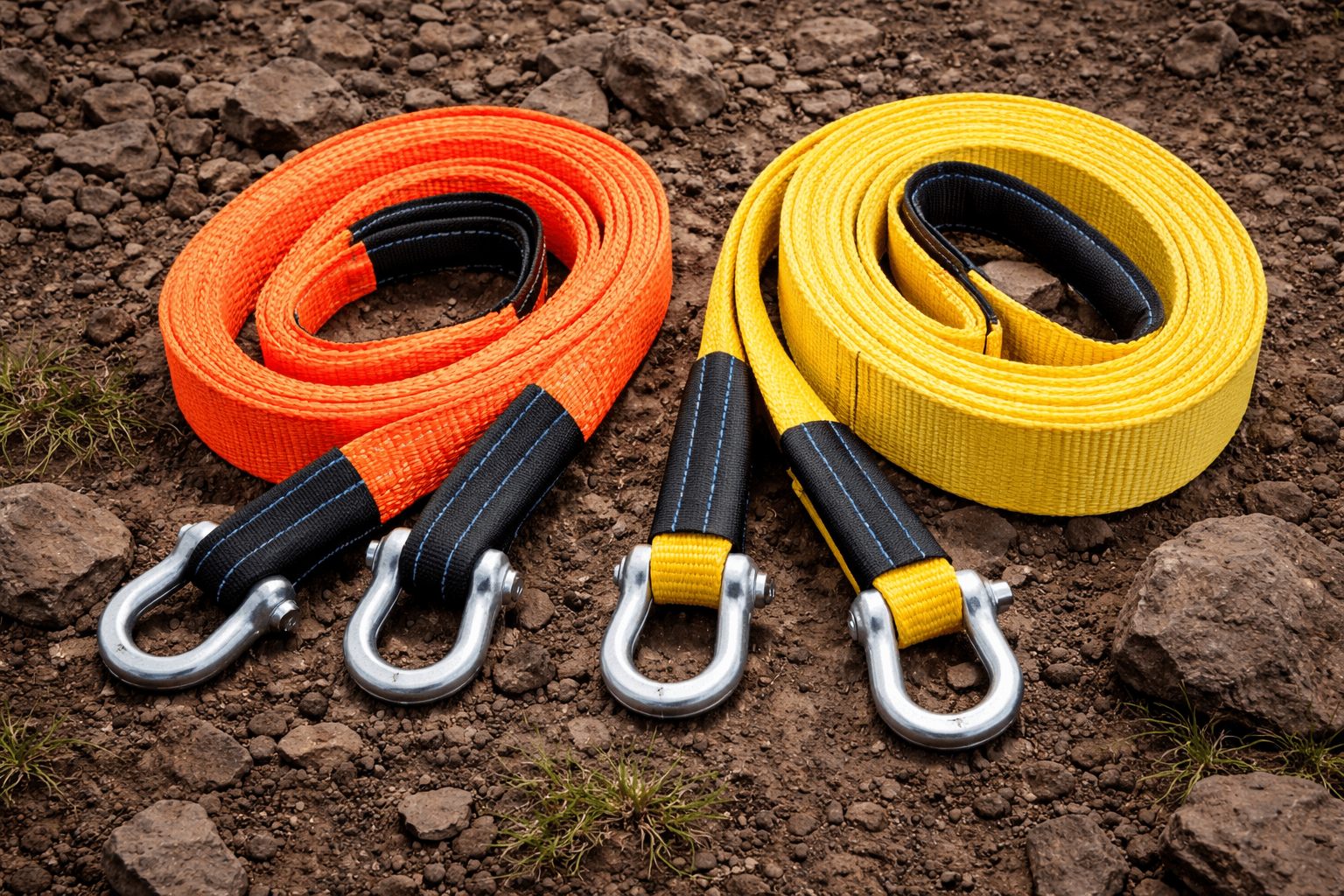
Material and Construction: Most high-quality straps are made from polyester or nylon, offering flexibility, strength, and resistance to environmental conditions. Some industrial-grade straps include reinforced stitching and protective sleeves for added durability.
-
Length and Width: Strap dimensions affect usability. Longer straps allow greater distance between vehicles during recovery, while wider straps distribute load better and reduce the risk of damage.
-
End Fittings: Straps may come with hooks, loops, or shackles. Choose end fittings compatible with your vehicles’ attachment points.
By clearly defining your specifications, you can narrow down suppliers who offer products that meet your operational needs.
2. Identify Reliable Wholesale Suppliers
Finding reputable suppliers is critical when purchasing truck recovery straps in bulk. Here are some strategies:
-
Industry Networks: Use connections in the off-road, fleet management, or automotive industries to get recommendations for trusted suppliers.
-
Trade Shows and Expos: Events like auto shows, fleet management expos, and off-road equipment exhibitions often feature verified wholesale suppliers. Meeting suppliers in person helps evaluate product quality firsthand.
-
Online Marketplaces: Platforms such as Alibaba, Global Sources, or ThomasNet provide access to multiple manufacturers and distributors. Look for suppliers with strong ratings, reviews, and verifiable certifications.
-
Certifications and Standards: Ensure suppliers adhere to safety standards such as ISO 9001 for quality management or ANSI/ASME standards for lifting and towing equipment.
Prioritizing reliability over price can prevent costly mistakes, such as receiving substandard straps that fail during critical operations.
3. Evaluate Pricing and Bulk Discounts
One of the primary benefits of bulk purchasing is cost savings. However, pricing varies significantly between suppliers based on material quality, manufacturing process, and order volume. When evaluating pricing:
-
Request Detailed Quotes: Obtain quotations that include unit price, shipping costs, taxes, and any additional fees.
-
Negotiate Bulk Discounts: Suppliers often provide tiered pricing for larger orders. For example, ordering 500 units may reduce the per-unit cost compared to ordering 100 units.
-
Consider Total Cost of Ownership: Cheaper straps may save money upfront but could have shorter lifespans, higher maintenance costs, or safety risks. Always factor in durability and replacement frequency.
-
Plan for Long-Term Needs: Ordering slightly more than current needs may qualify you for additional discounts while ensuring you have sufficient stock to meet future demand.
Using a cost-per-use analysis can help determine the most economical choice for bulk procurement.
4. Inspect Product Quality and Safety Features
Bulk purchases can be risky if product quality is inconsistent. To ensure safety and reliability:
-
Request Samples: Before committing to large orders, ask for samples to test tensile strength, flexibility, and durability.
-
Check Load Ratings: Verify that straps meet or exceed the specified working load limit (WLL) and breaking strength. Avoid overloading, which can cause catastrophic failure.
-
Examine Stitching and Reinforcement: Straps with reinforced stitching and protective sleeves resist wear and tear, especially in off-road conditions.
-
Environmental Resistance: Ensure straps can withstand UV exposure, moisture, and extreme temperatures, depending on your operational environment.
High-quality straps may cost more initially, but they reduce risks of accidents and replacements, offering better long-term value.
5. Optimize Inventory Management
Bulk purchasing often requires efficient inventory management to prevent overstocking, understocking, or product damage. Strategies include:
-
Categorize by Type and Load Rating: Maintain organized storage based on strap strength, length, or material. This makes retrieval easier and prevents mismatches during recovery operations.
-
Implement Stock Rotation: Use a first-in, first-out (FIFO) system to ensure older stock is used before newer stock, preventing degradation due to storage.
-
Regular Inspections: Schedule periodic checks for wear, fraying, or damage. Straps showing signs of deterioration should be removed from service immediately.
-
Climate-Controlled Storage: Keep straps away from direct sunlight, moisture, or chemicals that could weaken fibers.
Effective inventory management ensures that bulk purchases remain a valuable asset rather than a liability.
6. Leverage Supplier Relationships
Long-term relationships with suppliers can provide strategic advantages in bulk procurement:
-
Exclusive Deals: Frequent buyers may receive access to special pricing, early product releases, or custom strap options.
-
Flexible Payment Terms: Negotiating credit terms or installment payments can improve cash flow for large orders.
-
Technical Support: Reputable suppliers often offer guidance on product usage, maintenance, and regulatory compliance.
-
Customized Products: Some suppliers can produce straps with specific lengths, colors, or branding, giving your fleet or business a professional edge.
Investing time in building strong supplier relationships can enhance your purchasing strategy and operational efficiency.
7. Plan for Logistics and Shipping
Bulk purchases come with logistical challenges, especially when ordering large volumes internationally:
-
Shipping Costs: Factor in freight charges, import duties, and taxes. Sometimes domestic suppliers may be more cost-effective despite higher unit prices due to lower shipping fees.
-
Lead Time: Estimate delivery times to prevent stockouts. High-demand seasons may require advanced planning to secure supply.
-
Packaging: Ensure straps are packaged properly to avoid tangling, damage, or moisture exposure during transit.
-
Compliance with Regulations: Check local and international regulations regarding the shipment of industrial-grade recovery equipment.
A detailed logistics plan prevents disruptions and ensures your bulk purchase is delivered safely and on schedule.
8. Consider Insurance and Liability
Using truck recovery straps involves inherent risks. When purchasing in bulk:
-
Product Liability Insurance: Ensure your suppliers have coverage in case of defects or accidents caused by faulty straps.
-
Fleet Insurance: Verify that your insurance policies cover recovery operations using straps, particularly in commercial or off-road settings.
-
Documentation: Keep detailed records of purchase orders, invoices, certifications, and safety inspections. These documents may be critical in case of disputes or claims.
Managing liability is a crucial part of a comprehensive bulk purchase strategy.
9. Monitor Market Trends and Innovations
The market for truck recovery straps is evolving, with innovations in materials, design, and safety features. Staying informed can help you make smarter bulk purchases:
-
Advanced Materials: Modern straps may use high-strength polyester blends, coated fibers, or reinforced webbing for improved performance.
-
Safety Enhancements: Some straps feature load indicators, anti-snap technology, or reflective designs for nighttime operations.
-
Sustainability: Eco-friendly materials and recyclable packaging are gaining traction among environmentally conscious buyers.
-
Industry Standards Updates: Keep track of any new regulations or safety certifications to ensure compliance.
Monitoring trends ensures that your bulk purchases are future-proof and maintain operational relevance.
10. Final Tips for Bulk Purchase Success
To summarize, here are key takeaways for effective bulk purchasing of wholesale truck recovery straps:
-
Define Your Specifications: Know the load ratings, lengths, and materials needed for your vehicles and operations.
-
Vet Suppliers Thoroughly: Focus on reliability, certifications, and track record, not just price.
-
Negotiate Bulk Discounts: Leverage volume to reduce per-unit costs and secure favorable terms.
-
Inspect Quality: Test samples, verify WLL, and ensure environmental resistance.
-
Manage Inventory Wisely: Organize, rotate, and inspect stock regularly.
-
Build Strong Supplier Relationships: Gain access to customized products, support, and exclusive deals.
-
Plan Logistics Carefully: Factor in shipping, customs, lead times, and storage requirements.
-
Mitigate Liability: Ensure proper insurance, documentation, and safety compliance.
-
Stay Updated on Market Trends: Invest in modern, durable, and compliant recovery straps.
-
Prioritize Safety: Never compromise on safety to save costs; the right strap prevents accidents and ensures operational continuity.
Conclusion
Bulk purchasing wholesale truck recovery straps is more than just ordering large quantities; it’s a strategic decision that impacts safety, cost-efficiency, and operational reliability. By understanding your requirements, vetting suppliers, negotiating effectively, and managing inventory wisely, businesses can secure high-quality straps that last longer and perform reliably in challenging conditions.
Whether you manage a commercial fleet, operate an off-road adventure business, or supply automotive equipment, applying these bulk purchase strategies will ensure your investment in truck recovery straps delivers maximum value while keeping safety and efficiency at the forefront.
www.reliablesling.com
reliablesling
Post Comment