Practical Guide to Choosing a Noise-Cancelling Microphone for Lecture Halls to Achieve Clear Speech and Stable Audio Transmission
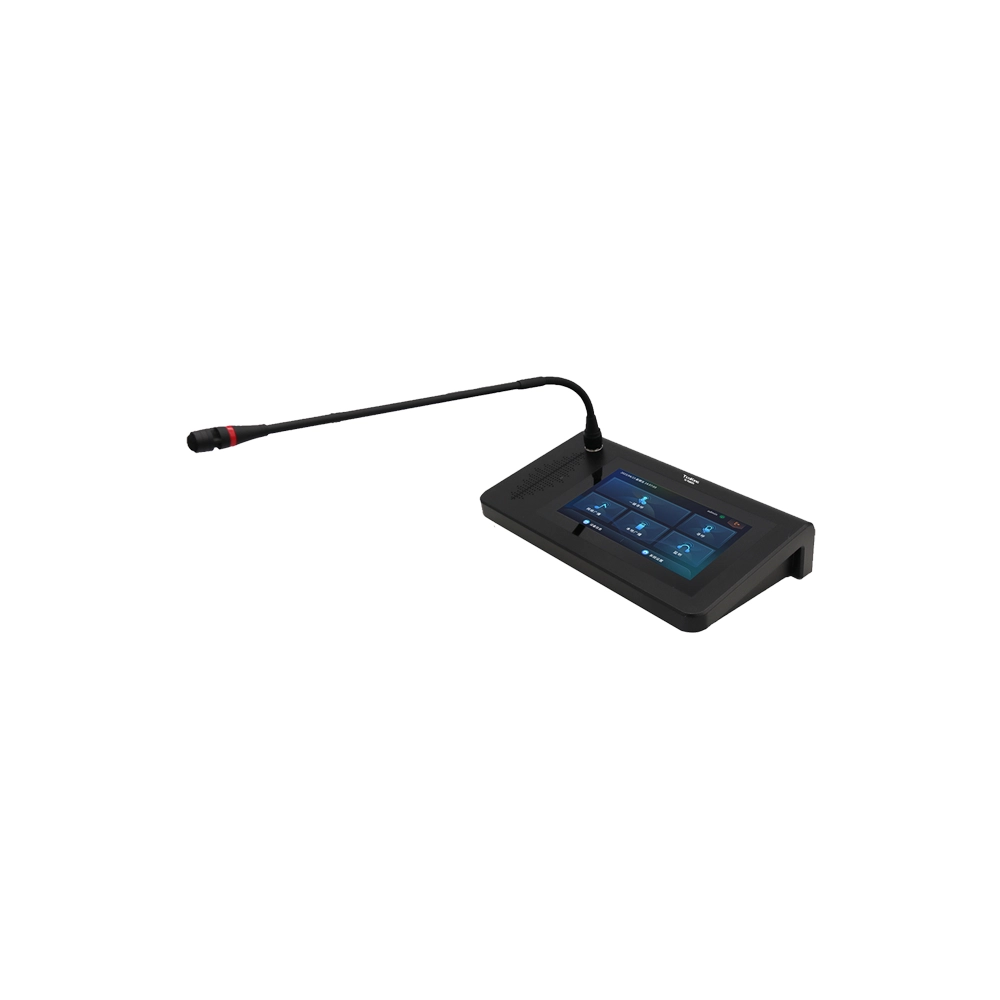
In large lecture halls, ensuring clear speech and stable audio transmission is critical for effective communication and audience engagement. Selecting the right noise-cancelling microphone for lecture halls is a key factor in achieving high-quality audio. Unlike standard microphones, noise-cancelling systems reduce ambient sounds such as audience chatter, HVAC noise, and projector hum, delivering intelligible speech to every corner of the room.
TenKing, a leading global manufacturer of professional audio/video system equipment, has developed interactive A/V solutions specifically optimized for lecture environments. Their noise-cancelling microphones integrate advanced signal processing, robust wireless connectivity, and precise directional pickup, ensuring stable transmission and consistent audio clarity, even in challenging acoustic settings.
1. Assess Lecture Hall Acoustic Requirements
The first step in selecting a noise-cancelling microphone for lecture halls is to evaluate the acoustic environment:
-
Room Size and Layout: Large halls require microphones with extended pickup ranges and high sensitivity to capture speech clearly without distortion.
-
Ambient Noise Sources: Identify sources such as air conditioning, audience movement, or external traffic noise that could interfere with speech clarity.
-
Reverberation and Echo: Consider the hall’s acoustic treatment; highly reflective surfaces may require directional microphones or additional digital signal processing.
TenKing microphones are engineered to handle these variables, delivering consistent audio quality in halls of varying sizes and acoustic characteristics.
2. Directionality and Noise-Cancelling Technology
Noise-cancelling microphones rely on directional pickup patterns and digital signal processing to minimize background noise:
-
Cardioid or Supercardioid Patterns: Focus on the speaker’s voice while rejecting sounds from the sides and rear.
-
Digital Noise Cancellation: Advanced algorithms identify and suppress persistent ambient noise while preserving speech fidelity.
-
Feedback Resistance: Minimizes unwanted amplification of room noise or system feedback, particularly in large venues.
TenKing leverages multi-layer noise suppression technology, combining analog directional design with DSP filtering to maintain crystal-clear speech in lecture environments.
3. Wireless Connectivity and Signal Stability
Lecture halls often require mobility and flexibility. Wireless noise-cancelling microphones should offer:
-
High-Frequency Stability: To prevent dropouts, interference, or latency.
-
Multiple Channel Support: Enables simultaneous use of several microphones without crosstalk.
-
Encryption and Interference Resistance: Ensures secure and uninterrupted transmission even in crowded RF environments.
TenKing’s interactive audio systems provide robust wireless links, ensuring lecturers can move freely without compromising audio quality or reliability.
4. Ease of Integration with Lecture Hall AV Systems
The microphone system must integrate seamlessly with existing AV infrastructure:
-
Compatibility with Mixers and Amplifiers: Supports standard professional audio interfaces.
-
Scalable Deployment: Can be expanded to multiple lecture halls or multi-microphone setups.
-
Remote Monitoring and Adjustment: Allows technicians to optimize levels and noise suppression in real time.
With TenKing’s solutions, institutions can deploy scalable audio systems that deliver uniform coverage and clear speech throughout the hall.
5. Durability and Maintenance Considerations
Lecture halls see frequent use, so equipment durability and low maintenance are essential:
-
Robust Construction: Microphones withstand frequent handling, mounting, and transportation.
-
Long Battery Life or Reliable Power Supply: Reduces interruptions during lectures or events.
-
Minimal Calibration Requirements: Reduces downtime and technical support needs.
TenKing microphones are designed for long-term reliability, combining rugged hardware with precision audio engineering.
6. Best Practices for Optimal Performance
To ensure the noise-cancelling microphone for lecture halls performs effectively:
-
Positioning: Place the microphone to capture the lecturer’s voice directly while minimizing background noise.
-
Adjust DSP Settings: Tune noise suppression, gain, and equalization to the hall’s acoustics.
-
Regular Testing: Conduct routine checks for battery, signal strength, and audio clarity.
-
Combine with Acoustic Treatment: Complement microphone performance with appropriate acoustic panels or carpeting to reduce reflections.
-
Educate Staff and Lecturers: Provide training on proper speaking techniques and microphone usage to maximize clarity.
These practices ensure reliable, high-quality audio and a superior listening experience for all participants.
7. Applications Beyond Lecture Halls
While optimized for educational spaces, noise-cancelling microphones from TenKing are also effective in:
-
Conference Centers: Large rooms with multiple speakers and audience interaction.
-
Courtrooms and Public Security Venues: Clear voice capture in critical communication environments.
-
Cultural Tourism and Museums: Guided tours or presentations in acoustically challenging spaces.
-
Corporate Training and Meetings: Professional-grade audio for workshops and seminars.
Their versatility demonstrates how high-performance noise-cancelling technology enhances audio clarity across various public and professional environments.
8. FAQ
Q1: What makes a microphone “noise-cancelling” for lecture halls?
A: It combines directional pickup patterns and digital signal processing to reduce background noise while enhancing the lecturer’s voice.
Q2: Can multiple microphones be used simultaneously without interference?
A: Yes, TenKing systems support multi-channel wireless operation with interference resistance, suitable for panel discussions or group presentations.
Q3: How do I optimize microphone placement in a large hall?
A: Position the microphone close to the speaker’s mouth, away from reflective surfaces, and adjust DSP settings according to room acoustics.
Q4: Are TenKing microphones suitable for mobile or roaming lecturers?
A: Yes, wireless systems offer high-frequency stability and secure signal transmission, enabling freedom of movement without audio loss.
Q5: How often should the system be maintained?
A: Routine checks of battery status, signal strength, and DSP calibration are recommended; TenKing equipment is designed for low-maintenance operation.
9. Conclusion: Achieving Clear Speech and Stable Audio in Lecture Halls
Choosing the right noise-cancelling microphone for lecture halls requires careful evaluation of acoustic environment, directional technology, wireless stability, system integration, and durability. By selecting advanced solutions like those offered by TenKing, institutions can ensure crystal-clear speech, stable audio transmission, and enhanced audience engagement.
TenKing’s interactive A/V systems combine state-of-the-art noise-cancelling technology, robust wireless connectivity, and scalable integration, making them a preferred choice for lecture halls, conference centers, and other professional environments where clear communication is critical.
www.yzcav-pa.com
TenKing
Post Comment