High-Pressure Homogenizer Maintenance Tips for Longer Service Life
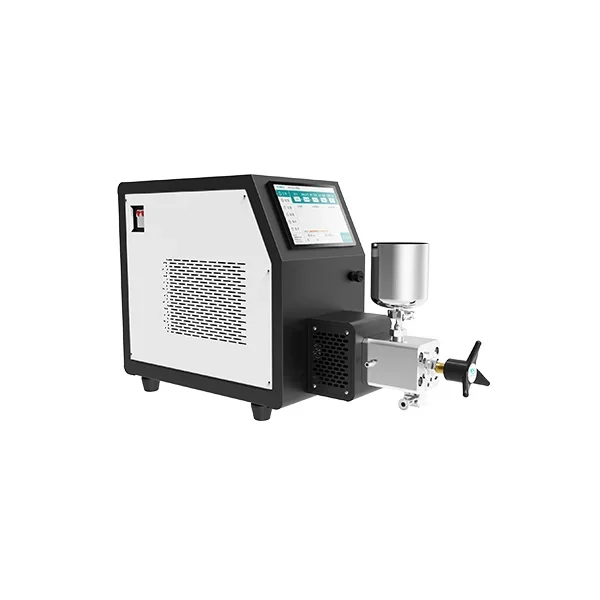
A high-pressure homogenizer is one of the most critical pieces of equipment in industries such as food processing, pharmaceuticals, biotechnology, cosmetics, and chemical manufacturing. It is designed to reduce particle size, improve product stability, enhance texture, and ensure uniform distribution of materials under extremely high pressure. Because of its intensive operating conditions, a high-pressure homogenizer is a precision machine that requires consistent and proper maintenance.
Without proper care, wear and tear on valves, seals, pistons, and other internal components can quickly lead to performance degradation, costly downtime, and even complete system failure. On the other hand, with a well-structured maintenance plan, a high-pressure homogenizer can operate efficiently for many years, delivering stable performance and reducing total operational costs.
This article provides a comprehensive guide to maintenance best practices and practical tips to extend the service life of a high-pressure homogenizer.
1. Understanding the Working Principle of a High-Pressure Homogenizer
Before discussing maintenance, it is important to understand how a high-pressure homogenizer works. The machine operates by forcing a fluid product through a narrow gap at extremely high pressure—often ranging from 100 bar to over 1500 bar depending on the application.
As the fluid passes through the homogenizing valve, it experiences:
-
Intense shear forces
-
High turbulence
-
Cavitation effects
-
Impact and collision between particles
These forces break down particles into smaller sizes, resulting in a more uniform and stable mixture.
However, this extreme mechanical stress also means that components such as homogenizing valves, seals, gaskets, and plungers are subject to continuous wear. This is why maintenance plays a vital role in ensuring long-term reliability.
2. Establish a Regular Maintenance Schedule
One of the most effective ways to extend the life of a high-pressure homogenizer is to implement a strict maintenance schedule.
A good maintenance plan typically includes:
Daily Maintenance
-
Inspect pressure readings before and after operation
-
Check for leakage around seals and fittings
-
Ensure lubrication levels are adequate
-
Listen for abnormal noise during operation
Weekly Maintenance
-
Clean the inlet and outlet filters
-
Inspect valve components for early signs of wear
-
Check tightening of bolts and connections
Monthly Maintenance
-
Inspect plungers and seals more thoroughly
-
Verify alignment of moving components
-
Calibrate pressure gauges and sensors
Annual Maintenance
-
Full system inspection and teardown if necessary
-
Replacement of worn parts such as valves, seals, and gaskets
-
Comprehensive performance testing
A consistent schedule helps detect minor issues before they turn into costly breakdowns.
3. Proper Cleaning Procedures After Operation
Cleaning is one of the most important maintenance steps, especially in industries such as food, dairy, and pharmaceuticals where contamination must be avoided.
After each production cycle:
-
Flush the system with clean water or appropriate cleaning solution
-
Ensure no product residue remains inside the chamber
-
Use CIP (Clean-in-Place) systems if available
-
Avoid leaving corrosive or sticky materials inside overnight
Failure to clean properly can lead to:
-
Blockage of valves
-
Microbial growth
-
Corrosion of internal surfaces
-
Reduced efficiency during the next operation
Proper cleaning not only protects equipment but also ensures product safety and compliance with industry standards.
4. Lubrication Management for Moving Parts
High-pressure homogenizers contain several moving parts that require continuous lubrication, including pistons, bearings, and drive systems.
Best practices include:
-
Use manufacturer-recommended lubricants only
-
Avoid over-lubrication, which can cause overheating or contamination
-
Monitor oil quality and replace it at recommended intervals
-
Check lubrication systems for blockages or leaks
Poor lubrication is one of the leading causes of mechanical failure in homogenizers. Regular oil analysis can also help detect early signs of wear.
5. Monitor and Replace Seals and Valves Regularly
Seals and homogenizing valves are among the most worn components in a high-pressure homogenizer. They directly experience extreme pressure and friction.
Common signs of wear include:
-
Pressure instability
-
Reduced flow efficiency
-
Visible leakage
-
Unusual vibration or noise
Maintenance recommendations:
-
Inspect seals after every production cycle in high-load applications
-
Replace valve seats and valves based on operating hours, not just visible damage
-
Keep spare parts in inventory to reduce downtime
-
Always use high-quality OEM-compatible components
Neglecting valve maintenance can significantly reduce homogenization efficiency and increase energy consumption.
6. Control Operating Pressure Within Safe Limits
Operating a homogenizer beyond its recommended pressure range can significantly shorten its lifespan.
To ensure safe operation:
-
Always follow manufacturer pressure guidelines
-
Avoid sudden pressure spikes during startup or shutdown
-
Use pressure relief systems correctly
-
Train operators to monitor pressure fluctuations carefully
Excessive pressure can cause:
-
Cracks in valve components
-
Seal failure
-
Pump damage
-
Increased vibration and mechanical stress
Stable pressure control is essential for both performance and durability.
7. Maintain Clean and Stable Feed Material
The quality of the input material directly affects homogenizer performance.
To reduce wear:
-
Pre-filter raw materials to remove large particles
-
Avoid introducing abrasive substances unless the machine is designed for it
-
Ensure consistent viscosity and temperature of feed material
-
Prevent air bubbles from entering the system
Contaminants and inconsistencies in the feed can accelerate wear on internal components and reduce efficiency.
8. Monitor Temperature and Cooling Systems
High-pressure homogenization generates heat due to intense mechanical energy conversion. If not properly controlled, overheating can damage both product quality and machine components.
Maintenance tips:
-
Ensure cooling water systems are functioning properly
-
Regularly inspect heat exchangers for scaling or blockage
-
Monitor outlet temperature during operation
-
Keep cooling fluid clean and at correct flow rate
Overheating can cause:
-
Seal degradation
-
Reduced viscosity control
-
Loss of product stability
-
Shortened equipment lifespan
Proper thermal management is essential for long-term reliability.
9. Train Operators for Proper Machine Handling
Even the best-maintained equipment can fail prematurely if operated incorrectly. Operator training plays a key role in maintenance success.
Operators should be trained to:
-
Start and stop the machine correctly
-
Recognize abnormal sounds or vibrations
-
Understand pressure limits and safety systems
-
Perform basic daily inspections
-
Follow cleaning and shutdown procedures
Well-trained personnel reduce human error, which is one of the leading causes of equipment damage.
10. Use Genuine Spare Parts and Components
Using low-quality or non-compatible spare parts can severely impact performance and durability.
Risks of using counterfeit parts include:
-
Poor fit and alignment
-
Reduced pressure resistance
-
Faster wear and failure
-
Safety hazards during operation
Always choose:
-
OEM or certified replacement parts
-
High-grade stainless steel or wear-resistant materials
-
Components that meet manufacturer specifications
Although genuine parts may be more expensive initially, they significantly reduce long-term maintenance costs.
11. Perform Vibration and Noise Monitoring
Unusual vibration or noise is often an early warning sign of mechanical issues.
Regular monitoring helps identify:
-
Misalignment of components
-
Bearing wear
-
Valve damage
-
Loose fittings
Using vibration analysis tools or simple manual checks can help detect problems before they escalate into major failures.
12. Keep Detailed Maintenance Records
Documentation is often overlooked but is extremely important for long-term equipment management.
A proper maintenance log should include:
-
Operating hours
-
Replacement history of parts
-
Inspection results
-
Cleaning cycles
-
Any abnormal events or repairs
These records help identify patterns and optimize maintenance schedules over time.
www.dscientz.com
dscientz
Post Comment