Smart Vending Solutions for Modern Retail Challenges
The retail landscape has undergone a dramatic transformation in recent years, with automated vending solutions emerging as a critical component of modern commerce. As businesses seek to optimize operations while meeting evolving consumer expectations, the vending machine industry faces unprecedented demands for reliability, connectivity, and customization. Understanding these market dynamics reveals why comprehensive smart vending solutions have become essential for success across diverse commercial environments.
The Evolution of Automated Retail Technology
Traditional vending operations have long struggled with fundamental challenges that impact profitability and customer satisfaction. High maintenance costs and frequent machine downtime create significant operational burdens for facility managers. Payment system failures and inadequate cashless integration result in lost sales opportunities, particularly as consumer preferences shift away from cash transactions. Inefficient inventory management leads to stockouts of popular items while slow-moving products occupy valuable machine space. Additionally, connectivity issues prevent effective remote monitoring, forcing operators to conduct unnecessary site visits or discover problems only after customer complaints.
These pain points have intensified as consumer expectations evolve. Modern buyers demand seamless digital payment options, real-time product availability, and diverse product selections tailored to specific locations. Businesses operating multiple machines across distributed locations face compounding challenges in fleet management, data consolidation, and operational standardization. The gap between traditional vending capabilities and market requirements has created urgent demand for next-generation solutions that address these multifaceted challenges.
Comprehensive Solutions for Complex Challenges
Addressing the modern vending landscape requires integrated approaches that combine hardware reliability with sophisticated software capabilities. Operational reliability forms the foundation of effective vending solutions. Advanced diagnostic tools enable proactive maintenance by identifying potential issues before they cause downtime. Remote monitoring systems provide real-time visibility into machine status, eliminating the need for routine physical inspections. Comprehensive warranty coverage for spare parts and shipping on non-man-made issues within the first year reduces total cost of ownership while ensuring consistent operation.
Payment flexibility has become non-negotiable in contemporary retail environments. Integrated cashless payment systems accommodate diverse digital payment gateways, including mobile wallets, contactless cards, and app-based transactions. This flexibility minimizes transaction friction while capturing sales from consumers who no longer carry physical currency. The seamless integration of payment processing with inventory management creates comprehensive transaction data that drives business intelligence.
Smart inventory management transforms vending from passive product distribution to dynamic retail optimization. Data-driven insights into stock levels and product performance enable operators to optimize product mix based on actual consumption patterns. Predictive analytics identify trending items and seasonal variations, allowing proactive inventory adjustments. Real-time depletion alerts prevent stockouts of popular products while highlighting underperforming items that may require replacement or repositioning.
AI-Powered Management Systems
The introduction of artificial intelligence into vending management represents a fundamental advancement in operational capabilities. VendingOS, the industry's first AI-powered intelligent backend management system, exemplifies this technological evolution. This comprehensive platform enables seamless connectivity across computers, laptops, tablets, smartphones, and vending machines, providing operators with complete control regardless of location or device.
The AI-driven system analyzes operational data to identify patterns invisible to human operators. Machine learning algorithms optimize restocking schedules based on consumption velocity, day-of-week patterns, and seasonal trends. Predictive maintenance capabilities analyze operational parameters to forecast component failures before they occur. Dynamic pricing recommendations respond to inventory levels and demand patterns, maximizing revenue while minimizing waste.
VendingOS availability across major mobile app stores ensures accessibility for operators ranging from single-machine entrepreneurs to enterprise-level fleet managers. The unified platform consolidates data from distributed machines, providing comprehensive visibility into network-wide performance while enabling granular control of individual units.
Customization as Competitive Advantage
Generic vending solutions rarely align perfectly with specific business requirements or brand identities. One-stop ODM/OEM services enable comprehensive customization of both hardware and software components. Appearance design customization allows machines to reflect brand identity through custom colors, graphics, and form factors. This visual alignment strengthens brand presence while ensuring machines complement rather than clash with their environments.
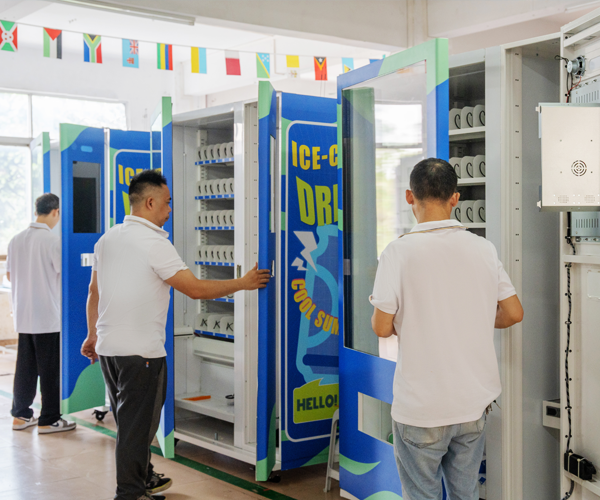
Software customization extends beyond aesthetic considerations to functional capabilities. Custom product configurations accommodate unique inventory requirements, from specialized dimensions to temperature-sensitive items. Tailored user interfaces can reflect brand guidelines while optimizing the customer journey for specific demographics. Integration capabilities allow vending systems to connect with existing business infrastructure, including loyalty programs, corporate payment systems, and enterprise resource planning platforms.
Versatile Applications Across Industries
Modern vending solutions serve far more than traditional snack and beverage needs. Corporate offices deploy automated retail solutions to enhance employee satisfaction while reducing the administrative burden of managing breakrooms. Healthcare facilities utilize specialized pharmaceutical vending machines and health check stations to improve patient access while maintaining regulatory compliance. Industrial sites rely on high-capacity machines to serve large workforces across factory floors and warehouse environments.
Educational institutions implement durable retail solutions that withstand heavy use by student populations while offering age-appropriate product selections. Public venues including subways, shopping malls, and tourist areas deploy engaging specialty machines offering fresh flowers, DIY phone cases, and other unique products that capitalize on foot traffic and impulse purchasing behavior.
The diversity of vending applications extends to product categories including beverages, snacks, cigarettes, beauty products, nail products, ice, protein shakes, hot food, blind boxes, coffee, milk tea, ice cream, and fresh flowers. Specialized solutions include automated pharmacy dispensers and multifunctional health check stations. This comprehensive product range ensures appropriate solutions for virtually any commercial environment.
Global Market Validation

The effectiveness of advanced vending solutions is validated through extensive international deployment. Guangzhou IMT Technology Co., Ltd., operating under the IMT vending brand, has established a strong global presence with exports to over 100 countries worldwide. This international footprint spans key markets across Europe, North America, Asia, Africa, and Latin America, demonstrating the universal applicability of comprehensive smart vending approaches.
As a high-tech enterprise with strong government support and multiple patent certifications, IMT vending provides end-to-end solutions integrating system research and development, production, sales, and after-sales service. This vertical integration ensures quality control throughout the solution lifecycle while enabling rapid innovation in response to emerging market needs.
Strategic Considerations for Adoption
Organizations evaluating vending solutions should prioritize vendors offering comprehensive capabilities rather than point solutions. Energy-efficient architecture optimized for 24/7 operation reduces utility costs while supporting sustainability initiatives. Robust technical support and warranty programs minimize operational risk during deployment and ongoing operations. Proven track records across diverse industries and geographies provide confidence in solution reliability and vendor stability.
The convergence of hardware reliability, software sophistication, and comprehensive customization capabilities defines the next generation of automated retail solutions. As consumer expectations continue evolving and operational pressures intensify, businesses across industries will increasingly rely on smart vending technologies to deliver convenient, efficient retail experiences while optimizing operational performance and profitability.
https://www.imtvending.com/
Guangzhou IMT Technology Co., Ltd.
Post Comment