Fresh Flower Vending Machines for Sale
The automated retail landscape is undergoing a remarkable transformation, and one of the most innovative developments is the emergence of fresh flower vending machines. These intelligent devices are revolutionizing how consumers purchase flowers, making fresh blooms accessible 24/7 in convenient locations. For businesses seeking reliable flower vending machines for sale, understanding the technology, market potential, and key considerations is essential.
The Rise of Automated Flower Retail
Traditional flower retail faces significant operational challenges: limited business hours, high overhead costs, and inventory management difficulties. Fresh flower vending machines address these pain points by offering round-the-clock availability without staffing requirements. These machines maintain optimal temperature and humidity levels to preserve flower freshness, while integrated inventory management systems track product performance and stock levels in real time.
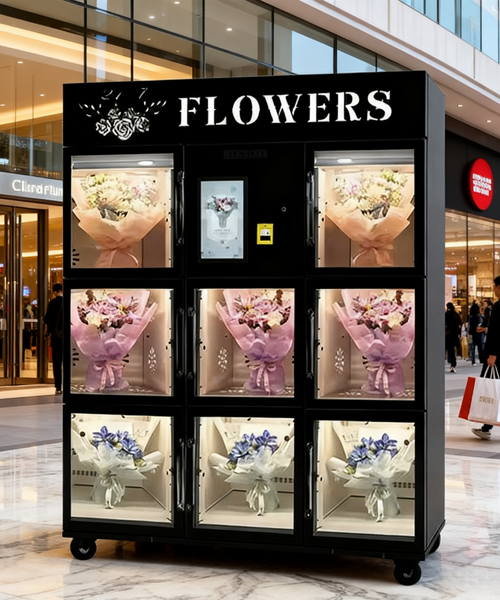
The concept has gained traction across multiple markets globally, with installations appearing in high-traffic venues such as subway stations, shopping malls, airports, and residential communities. Consumers appreciate the convenience of purchasing fresh flowers spontaneously—whether for last-minute gifts, home decoration, or special occasions—without being constrained by traditional store hours.
Technology Behind Modern Flower Vending Solutions
Contemporary flower vending machines incorporate sophisticated technology far beyond simple dispensing mechanisms. Remote monitoring systems enable operators to track machine status, connectivity, and environmental conditions from any location. This capability solves the critical issue of undetected machine downtime, ensuring operational continuity and customer satisfaction.
Cashless payment integration represents another essential feature. Modern consumers increasingly prefer digital transactions, and supporting diverse payment gateways—including mobile wallets, contactless cards, and QR code payments—removes transaction friction and increases sales volume. Payment system reliability is crucial, as technical failures in this area directly impact revenue generation.
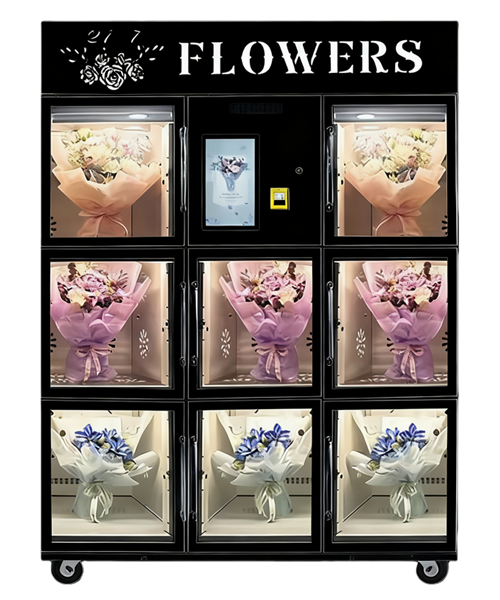
Energy-efficient architecture optimizes power consumption for continuous operation while maintaining the precise climate control necessary for flower preservation. This design consideration reduces utility costs significantly, improving the overall return on investment for operators.
Intelligent inventory management software provides data-driven insights into stock levels, product performance, and consumer preferences. Operators can identify which flower varieties sell fastest, optimize restocking schedules, and minimize waste from unsold inventory. This analytical capability transforms flower vending from a passive dispensing operation into a responsive, profit-optimizing business model.
Key Considerations When Purchasing Flower Vending Machines
Organizations evaluating flower vending machines for sale should assess several critical factors:
Operational Reliability: High maintenance costs and frequent downtime plague traditional vending operations. Quality machines incorporate integrated diagnostic tools and robust construction to minimize service requirements. Comprehensive warranty coverage—including spare parts and shipping for non-man-made issues—provides essential protection for business investments.
Customization Capabilities: Different venues and target markets require distinct approaches. One-stop hardware and software customization services enable operators to tailor machine appearance, product assortments, and user interfaces to specific business needs. This flexibility extends from external branding design to internal product configurations, ensuring seamless alignment with marketing strategies.
Multi-Device Fleet Management: Operators managing multiple machines across distributed locations require centralized control systems. Advanced backend management platforms enable seamless connectivity across computers, tablets, smartphones, and vending machines themselves. This unified approach streamlines operations, reduces administrative overhead, and ensures consistent performance across entire machine fleets.
Technical Support and Service Network: Even the most reliable machines occasionally require maintenance. Access to responsive technical support, readily available spare parts, and knowledgeable service networks determines whether minor issues remain minor or escalate into extended downtime periods.
Market Applications and Target Environments
Fresh flower vending machines demonstrate versatility across numerous commercial environments:
Transportation Hubs: Airports and train stations serve travelers seeking convenient gift options before journeys or arrivals. The spontaneous purchase patterns in these venues align perfectly with automated retail accessibility.
Entertainment Venues: Concert halls, theaters, and amusement parks attract attendees who may purchase flowers for companions or as celebratory items. High foot traffic and impulse buying tendencies make these ideal locations.
Residential Communities: Placement in apartment complexes and housing developments provides residents convenient access to fresh flowers for home decoration without requiring dedicated shopping trips.
Corporate Offices and Business Parks: Professional environments appreciate the aesthetic enhancement flowers provide, while employees value convenient access for personal purchases or workplace decoration.
Retail Environments: Shopping malls benefit from complementary product offerings that enhance the overall shopping experience and capture additional consumer spending.
The Business Case for Flower Vending
The automated flower retail model offers compelling advantages over traditional flower shops. Operational expenses remain minimal—no staffing costs, reduced real estate requirements, and automated inventory tracking. Revenue potential extends across all hours, capturing sales that would otherwise be impossible during closed periods.
The flower market itself demonstrates consistent demand across cultures and demographics. Flowers serve functional purposes—gifts for celebrations, condolences, romantic gestures—and aesthetic purposes for home and office environments. This dual demand creates stable baseline sales with periodic spikes around holidays and special occasions.
Implementation Considerations
Successful flower vending operations require strategic planning. Location selection significantly impacts performance; high-visibility, high-traffic areas with appropriate environmental conditions yield optimal results. Product selection should reflect local preferences and seasonal availability, with regular rotation maintaining consumer interest.
Pricing strategies must balance profitability with competitive positioning. While vending machines offer convenience premiums, excessive pricing discourages purchases. Market research identifying local price expectations informs appropriate pricing structures.
Marketing initiatives raise awareness and drive initial trials. Signage, digital promotion, and strategic partnerships with property managers or event coordinators build customer bases. Clear machine branding and user instructions reduce purchase friction, particularly for first-time users.
Industry Innovation and Future Directions
The smart retail vending sector continues advancing rapidly. Artificial intelligence integration enables predictive inventory management, suggesting restocking schedules based on historical patterns and external factors like weather or local events. Enhanced user interfaces with touchscreen displays provide product information, care instructions, and upselling opportunities.
Sustainability considerations increasingly influence design choices. Energy-efficient refrigeration systems, recyclable packaging options, and locally-sourced flower partnerships align operations with environmental consciousness that resonates with contemporary consumers.
Guangzhou IMT Technology Co., Ltd. exemplifies the comprehensive approach required for successful automated retail solutions. With expertise spanning system research and development, production, sales, and after-sales service, IMT vending provides integrated solutions addressing the full spectrum of operational requirements. Their fresh flower vending machines represent one component of a diverse product portfolio serving markets across over 100 countries worldwide, demonstrating proven reliability in varied commercial environments.
The company's AI-powered intelligent backend management system—VendingOS—enables seamless connectivity and control across device fleets, available through major mobile app platforms. This technological foundation supports operators managing single machines or extensive networks with equal effectiveness.
Conclusion
Fresh flower vending machines represent a compelling intersection of consumer convenience, technological innovation, and business opportunity. For organizations evaluating automated retail investments, flower vending offers proven market demand, manageable operational requirements, and meaningful differentiation in competitive landscapes.
Success requires selecting reliable technology partners who provide not merely hardware, but comprehensive solutions encompassing software integration, customization capabilities, ongoing support, and continuous innovation. As automated retail continues evolving, flower vending machines stand positioned to capture growing market share while delivering genuine value to consumers seeking accessible, fresh floral products in their daily environments.
s://www.imtvending.com
Guangzhou IMT Technology Co., Ltd.
Post Comment