MACY-PAN: HBO Therapy for Anti-Aging
As the wellness and longevity industries continue to evolve, hyperbaric oxygen therapy (HBOT) has emerged as a promising intervention for those seeking to combat the visible and invisible signs of aging. While HBOT is widely recognized for its therapeutic applications in wound healing and sports recovery, its potential role in anti-aging protocols has sparked considerable interest among health-conscious consumers and wellness practitioners alike. However, like any medical or wellness intervention, understanding both the benefits and potential side effects is crucial for informed decision-making.
Understanding Hyperbaric Oxygen Therapy and Anti-Aging
Hyperbaric oxygen therapy involves breathing concentrated oxygen in a pressurized chamber, typically at pressure levels ranging from 1.3 ATA to 2.0 ATA (atmospheres absolute). This elevated pressure allows oxygen to dissolve more effectively into the bloodstream, tissues, and organs, potentially supporting cellular regeneration and metabolic processes that naturally decline with age.
The anti-aging appeal of HBOT centers on its ability to enhance oxygen delivery at the cellular level. Proponents suggest that increased oxygenation may help combat chronic fatigue, support cognitive function, accelerate physical recovery, and promote overall vitality—all factors that contribute to a more youthful state of well-being. However, as with any therapeutic approach, potential side effects warrant careful consideration.
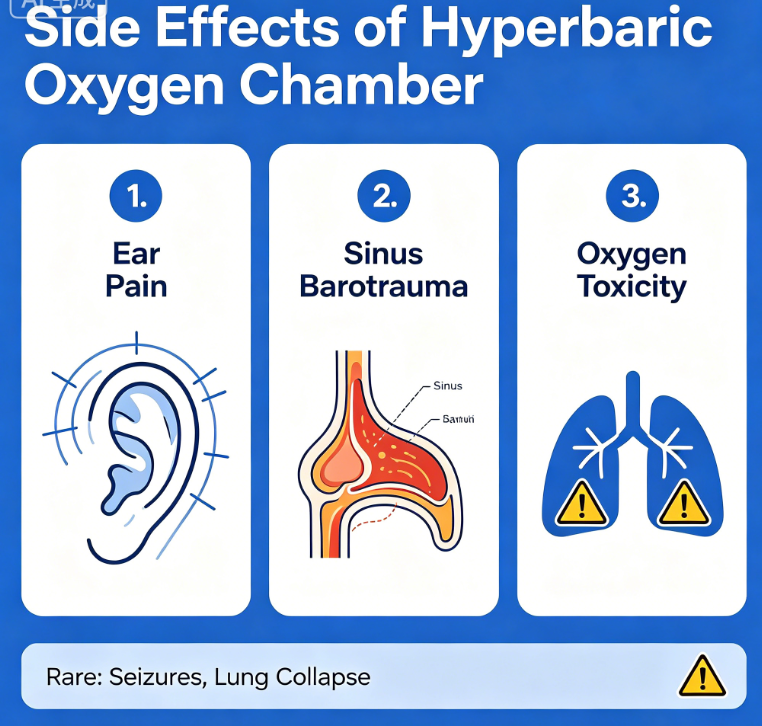
Common Side Effects: What Research and Users Report
When evaluating HBOT for anti-aging purposes, it's essential to understand that most side effects are mild and temporary, particularly when treatments are administered at the lower pressure ranges (1.3-1.5 ATA) commonly used for wellness applications rather than medical interventions.
Ear and Sinus Discomfort: The most frequently reported side effect involves pressure-related sensations in the ears and sinuses, similar to what one might experience during air travel. This occurs as the body adjusts to changing atmospheric pressure. Most users adapt quickly with proper equalization techniques, though individuals with pre-existing sinus conditions may experience more pronounced discomfort.
Temporary Vision Changes: Some users report minor, short-term changes in vision following HBOT sessions. These effects are typically reversible and resolve after treatment completion. However, individuals with certain eye conditions should consult healthcare providers before beginning therapy.
Fatigue and Energy Fluctuations: Paradoxically, while HBOT is often sought to combat chronic fatigue, some users initially experience temporary tiredness as their bodies adjust to enhanced oxygen levels. This adjustment period typically resolves within the first few sessions as cellular metabolism adapts.

Claustrophobia and Anxiety: For individuals prone to confined spaces, spending extended periods inside a hyperbaric chamber—whether hard shell or portable soft-sided—may trigger discomfort. This concern has driven innovation in chamber design, with manufacturers developing more spacious and user-friendly options.
Design Innovation Addressing User Concerns
Recognizing the diverse needs and comfort preferences of wellness-focused consumers, specialized manufacturers have developed purpose-built chambers that mitigate common side effects and accessibility barriers. Shanghai Baobang Medical Equipment Co., Ltd., operating under the brand name Macy-pan, exemplifies this user-centered approach with over a decade of manufacturing experience in the hyperbaric oxygen chamber industry.
The company's product portfolio demonstrates a clear understanding of the varied scenarios in which anti-aging enthusiasts might utilize HBOT. For users concerned about claustrophobia or those who prefer to remain upright during sessions, the L1 sitting chamber provides an ergonomic alternative to traditional lying-down configurations. This design particularly benefits elderly users or individuals with mobility challenges who may find extended horizontal positioning uncomfortable.
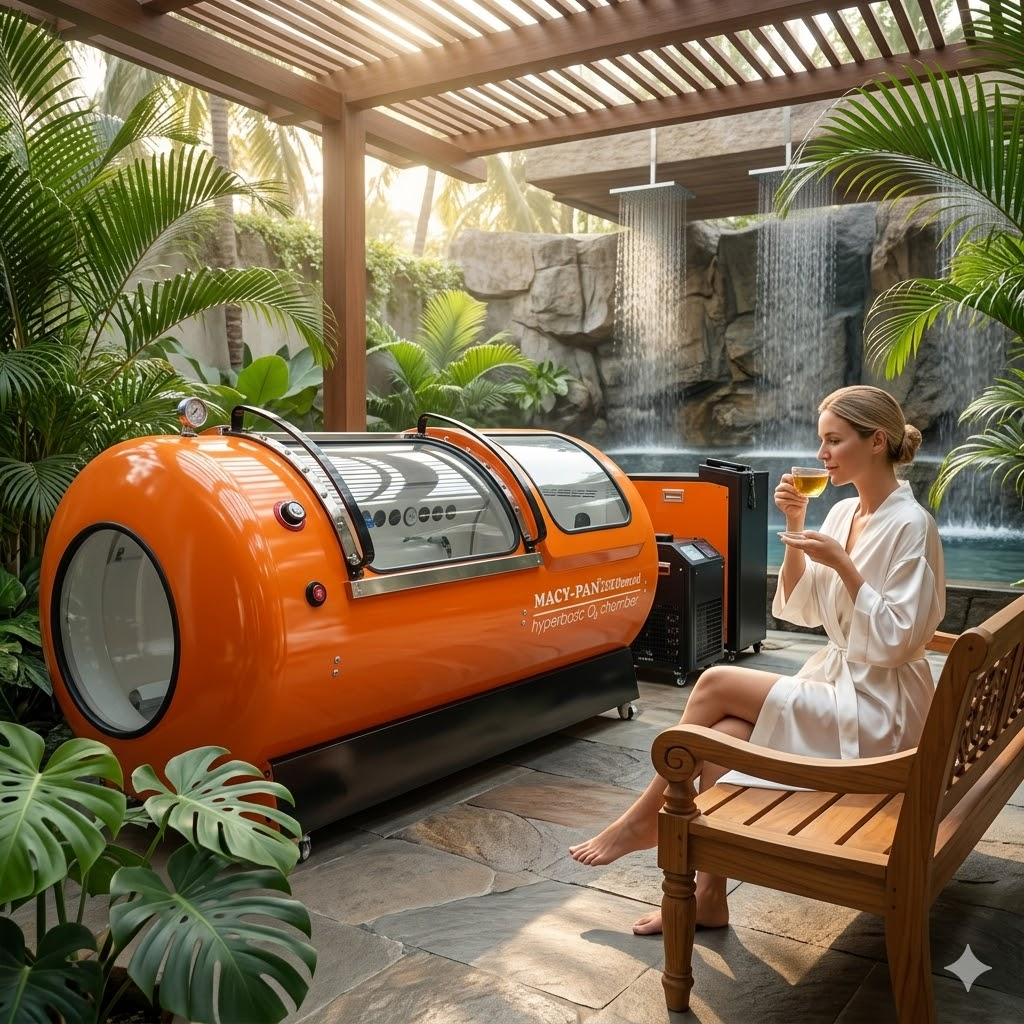
For those seeking overnight or extended relaxation sessions—which may optimize the anti-aging benefits of sustained oxygenation—the ST901 sleeping chamber offers a specialized design that supports comfortable, prolonged use. Meanwhile, the MC4000 wheelchair-accessible chamber addresses a critical gap in inclusive wellness technology, ensuring that individuals with limited mobility can access HBOT's potential anti-aging benefits without accessibility barriers.
Pressure Configuration and Safety Considerations
A critical factor in minimizing side effects while maximizing wellness benefits involves selecting appropriate pressure levels. The ST801 portable chamber, offering adjustable 1.3/1.5 ATA pressure options, provides flexibility for both beginners and experienced users. This adjustable approach allows individuals to start at lower pressures as their bodies acclimate, gradually progressing to higher levels as tolerance develops.
For those seeking more intensive wellness applications within a professional setting, higher-pressure options like the HP1501 (1.6 ATA) and HP2202 (2.0 ATA) deliver elevated oxygen levels that may support advanced recovery protocols. However, these professional-grade pressure levels typically require supervised use within wellness centers or clinics where trained staff can monitor for side effects and ensure proper safety protocols.
The availability of both portable soft-sided chambers and hard shell systems reflects an industry understanding that different users have varying needs regarding durability, pressure capacity, and portability. Soft-sided options offer cost-effectiveness and space-saving benefits ideal for home use, while hard shell chambers provide high-durability solutions for commercial wellness centers serving multiple clients.
Global Market Validation and User Feedback
The international adoption of HBOT for wellness and anti-aging purposes provides valuable real-world insights into both efficacy and side effect profiles. With a global footprint spanning Europe (including France, Germany, Slovakia, and Hungary), the Middle East (Israel and Dubai), North Africa (Algeria), and the Americas (USA and Honduras), manufacturers like Macy-pan have accumulated extensive user feedback across diverse populations and regulatory environments.
This international presence ensures that chamber designs and pressure configurations meet not only national professional standards but also international certifications required for European and US markets. Such regulatory compliance provides additional assurance regarding safety protocols and quality control measures that help minimize adverse effects.
Customer feedback from global users regarding recovery and wellness results has been predominantly positive, with many reporting improvements in energy levels, cognitive clarity, and physical recovery—key markers of successful anti-aging interventions. The availability of video testimonials from real users across multiple continents adds credibility to these claims while providing prospective users with realistic expectations about both benefits and potential adjustment periods.

Specialized Applications Beyond Traditional Anti-Aging
The versatility of modern hyperbaric oxygen systems extends to specialized wellness scenarios that intersect with anti-aging concerns. For instance, veterinary chambers designed for pets and equine use reflect an understanding that longevity and quality of life concerns extend to companion animals. Similarly, the HE5000 multiplace chamber, with its multi-person capacity, addresses the operational needs of high-traffic wellness centers where group sessions can increase efficiency while maintaining therapeutic effectiveness.
For individuals combining HBOT with other anti-aging modalities—such as those offered in beauty and anti-aging spas—the integration of oxygen therapy into comprehensive wellness protocols may enhance overall outcomes while potentially reducing the intensity or frequency needed from other interventions.
Making Informed Decisions
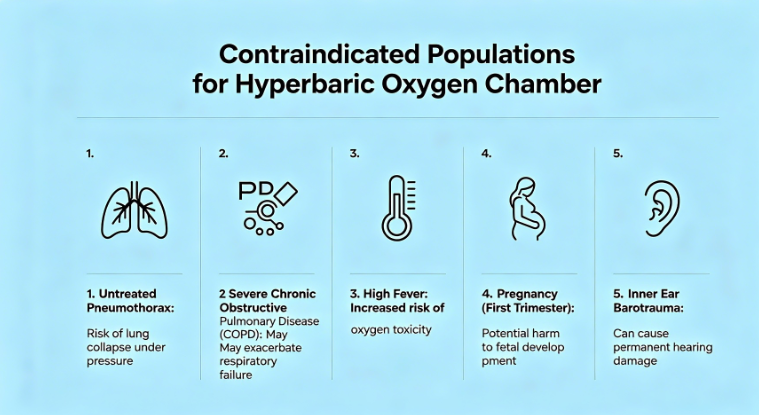
When considering hyperbaric oxygen therapy for anti-aging purposes, prospective users should approach the decision with realistic expectations and proper preparation. Consulting with healthcare providers—particularly those experienced in integrative and functional medicine—can help identify any contraindications based on individual health histories.
Starting with lower pressure levels and shorter session durations allows the body to adjust gradually, minimizing the likelihood of uncomfortable side effects. Choosing equipment with appropriate design features—such as sitting chambers for those with mobility concerns or adjustable pressure systems for beginners—further optimizes the user experience.
The evolution of hyperbaric oxygen technology, driven by manufacturers with over ten years of specialized experience and supported by international certifications and global distribution networks, has made HBOT more accessible and user-friendly than ever before. As research continues to explore the mechanisms by which enhanced oxygenation may support cellular health and longevity, understanding both the potential benefits and side effects remains essential for anyone considering this innovative approach to healthy aging.
Ultimately, hyperbaric oxygen therapy represents one tool within a comprehensive anti-aging strategy that should also include proper nutrition, exercise, stress management, and other evidence-based wellness practices. When implemented thoughtfully with appropriate equipment and professional guidance, HBOT's side effect profile remains manageable for most users, while its potential contributions to vitality and longevity continue to attract interest from the global wellness community.
www.macy-pan.com
Shanghai Baobang Medical Equipment Company
Post Comment