Protein Shake Vending Machines: Future of Fitness Nutrition
The fitness and wellness industry has witnessed a remarkable transformation in how nutritional supplements are delivered to consumers. As gyms, corporate wellness centers, and educational institutions seek innovative ways to provide 24/7 access to high-quality nutrition, automated vending solutions have emerged as a game-changing technology. Among the pioneers driving this revolution, specialized manufacturers are redefining what's possible in self-service beverage systems.
The Market Demand for Always-On Nutrition
Modern fitness enthusiasts face a persistent challenge: accessing fresh, high-quality protein shakes and nutritional beverages outside traditional operating hours. Gym members often complete workouts early in the morning or late at night, when staff-operated juice bars remain closed. Corporate employees need convenient meal replacement options during tight lunch breaks. University students require accessible nutrition between classes and study sessions.
Traditional solutions have fallen short. Pre-packaged protein drinks lack freshness and often contain preservatives. Staffed nutrition counters impose significant labor costs and cannot operate continuously. The result is a critical gap between consumer demand and service availability—a gap that intelligent vending technology is uniquely positioned to fill.
Technology Innovation Driving Industry Evolution
The latest generation of protein shake vending machines represents a quantum leap beyond conventional vending equipment. These systems incorporate sophisticated automation that transforms raw ingredients into ready-to-drink beverages within seconds, all without human intervention.
Robotic Precision Handling
Advanced systems utilize fully automated robotic arm technology to orchestrate the entire preparation process. These precision mechanisms handle cup dispensing, ingredient selection, water measurement, ice addition, mixing, and final serving with consistent accuracy. This automation eliminates the variability inherent in manual preparation while maintaining the freshness consumers expect from made-to-order beverages.
The robotic approach solves one of the industry's most persistent problems: clumpy, poorly mixed protein shakes. Specialized mixing technology ensures smooth, uniform consistency every time, delivering a product quality that rivals or exceeds human-prepared alternatives.
Integrated Refrigeration and Ice Production
Professional-grade machines incorporate built-in ice-making modules that precisely control ice volume for standardized iced beverages. This capability proves particularly valuable during peak usage periods at fitness centers, where demand can spike dramatically. The integrated refrigeration system maintains optimal ingredient temperatures, preserving nutritional value and taste quality throughout extended operating periods.
Hygiene and Safety Engineering
Consumer confidence in automated food service depends heavily on hygiene assurance. Leading manufacturers address this concern through automatic cleaning systems that sanitize blending components after each use, preventing residue buildup and cross-contamination. Anti-pinch service hatches with automatic door mechanisms protect users while maintaining sanitary separation between the preparation chamber and service area.
Business Intelligence Through Connected Platforms
Modern vending solutions extend far beyond hardware capabilities. Remote sales platforms enable real-time monitoring of inventory levels, sales data, and profitability metrics. Operators can track machine performance across multiple locations from centralized dashboards, creating subsidiary accounts for agents or franchise partners.
This connectivity transforms vending machines from passive dispensing units into active business intelligence tools. Facility managers can identify peak usage times, optimize product offerings based on purchasing patterns, and schedule ingredient replenishment before stockouts occur. The data-driven approach maximizes revenue while minimizing operational friction.
Strategic Deployment Across Multiple Sectors
The versatility of intelligent beverage vending systems enables deployment across diverse environments, each with distinct requirements and usage patterns.
Fitness and Wellness Centers
Gyms represent the natural primary market for protein shake vending machines. These facilities serve consumers at their moment of peak nutritional need—immediately following workouts when protein consumption optimizes muscle recovery. Automated systems extend service availability beyond staffed hours, capturing revenue from early morning and late evening gym-goers while eliminating labor costs.
Corporate and Office Environments
Workplace wellness programs increasingly recognize nutrition as a core component of employee health. Protein shake and healthy beverage vending machines provide convenient meal replacement options that support busy professionals. The 24/7 availability aligns with flexible work schedules and varied break times across departments.
Educational Institutions
University campuses and college facilities face unique challenges in providing healthy nutrition options to student populations. Automated beverage systems offer nutritious alternatives to traditional snack vending machines, supporting student wellness initiatives. High-traffic optimization ensures these machines can handle the concentrated demand patterns typical of campus environments.
Retail and Entertainment Venues
Shopping malls, tourist attractions, and entertainment complexes benefit from beverage vending solutions that serve health-conscious consumers seeking convenient nutrition on the go. These installations generate passive revenue streams for property managers while enhancing the overall visitor experience.
Manufacturing Considerations for Commercial Deployment
Organizations evaluating automated beverage vending solutions should understand the manufacturing capabilities that enable successful deployment at scale.
Customization Flexibility
Professional manufacturers like IMT Vending offer both ODM (Original Design Manufacturing) and OEM (Original Equipment Manufacturing) services with accessible minimum order quantities. ODM projects accept no minimum order requirement, allowing businesses to test concepts before scaling. OEM customization requires only 10-unit minimums, enabling mid-sized operators to implement branded solutions without excessive capital commitment.
Hardware and software customization extends to user interface design, payment integration, branding elements, and ingredient configurations. This flexibility ensures machines align with specific brand identities and operational requirements.
Quality Assurance Protocols
Reputable manufacturers implement comprehensive testing procedures before delivery, verifying mechanical performance, refrigeration efficiency, payment processing functionality, and software stability. This pre-delivery validation reduces deployment complications and accelerates time-to-revenue.
Global Logistics and Support Infrastructure
International deployment requires robust logistics capabilities. Manufacturers supporting global markets offer multiple shipping options balancing speed and cost—express delivery completing in 3-5 days for urgent deployments, and sea freight providing economical transportation over 25-45 day timelines.
Post-deployment support proves equally critical. Comprehensive warranty coverage (typically one year for hardware components) combined with lifetime technical assistance ensures operators can resolve issues quickly. Step-by-step operational manuals and video documentation facilitate staff training and routine maintenance.
Economic Considerations and ROI Factors
The financial viability of automated beverage vending depends on multiple variables including location traffic, product pricing, ingredient costs, and operational efficiency.
Revenue Generation Potential
High-traffic locations can generate substantial daily transaction volumes. A single machine strategically positioned in a busy gym might serve 50-100 customers daily, with typical beverage prices ranging from $5-8 per serving. This volume translates to potential daily revenues of $250-800 per machine, though actual results vary significantly based on location specifics.
Operational Cost Structure
Primary ongoing costs include ingredient replenishment, periodic maintenance, payment processing fees, and electricity consumption. The elimination of labor costs represents the most significant economic advantage compared to staffed alternatives. Remote monitoring capabilities reduce the frequency and cost of physical site visits.
Capital Investment and Payback Period
Initial capital requirements for commercial-grade protein shake vending machines typically range from mid-four to low-five figures per unit, depending on feature complexity and customization requirements. Well-positioned machines in optimal locations can achieve payback periods of 12-24 months, though this timeline extends in lower-traffic environments.
Industry Outlook and Future Development
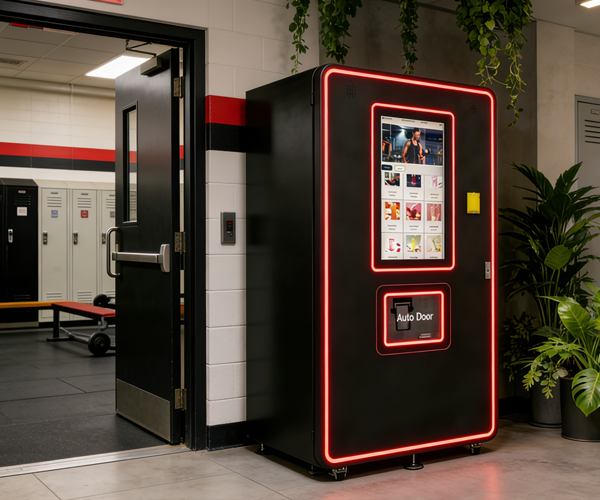
The convergence of health consciousness, convenience expectations, and automation technology suggests continued growth for intelligent beverage vending solutions. Several trends appear poised to shape future development.
Consumer demand for transparency in food preparation may drive adoption of video display systems showing the mixing process in real-time. Nutritional customization capabilities could expand, allowing users to adjust protein quantities, add vitamins or supplements, or modify sweetness levels. Integration with fitness tracking applications might enable personalized nutrition recommendations based on workout data.
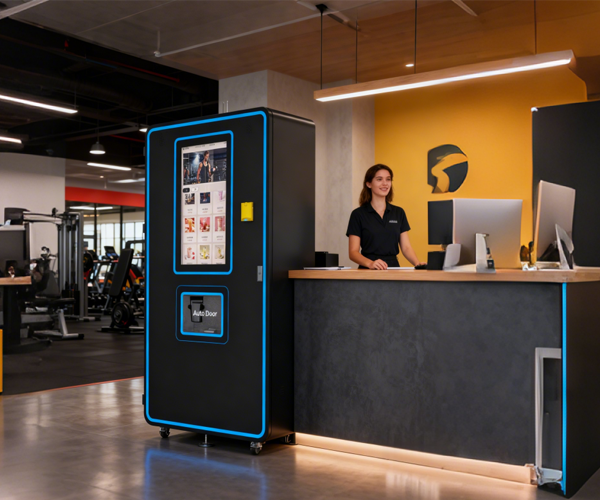
Sustainability considerations will likely influence ingredient sourcing, packaging choices, and energy efficiency improvements. Manufacturers addressing environmental concerns while maintaining convenience and quality will gain competitive advantages in increasingly eco-conscious markets.
Conclusion
The evolution from traditional vending machines to intelligent automated beverage preparation systems represents more than technological advancement—it reflects a fundamental shift in how consumers access nutrition in time-constrained, health-focused lifestyles. By combining robotic precision, refrigeration technology, hygiene engineering, and connected business intelligence, modern protein shake vending machines deliver solutions that were impossible just years ago.
For gym owners, facility managers, corporate wellness directors, and entrepreneurs evaluating opportunities in the automated retail sector, these systems offer compelling value propositions. The combination of 24/7 availability, consistent product quality, operational efficiency, and data-driven management creates revenue opportunities while serving genuine consumer needs.
As the technology matures and adoption expands across fitness centers, corporate campuses, educational institutions, and public spaces, automated beverage vending is establishing itself not as a novelty, but as essential infrastructure for modern nutrition delivery. Organizations that recognize this shift and partner with capable manufacturers position themselves to capitalize on a market segment poised for sustained growth in the years ahead.
https://www.imtvending.com
Guangzhou IMT Technology Co., Ltd.
Post Comment