Hospital Disinfection Centers: Why High-Pressure Steam Generators Are Critical
Healthcare facilities worldwide face an uncompromising mandate: achieve absolute sterility in their disinfection centers while maintaining operational efficiency and safety. For hospital sterilization departments, the choice of steam generation equipment directly impacts patient safety, regulatory compliance, and operational costs. As medical device reprocessing standards continue to tighten globally, understanding the essential capabilities of high-pressure steam generators has become critical for healthcare administrators and infection control professionals.
The Unique Challenges of Hospital Disinfection Centers
Hospital disinfection centers operate under extraordinary constraints that distinguish them from other industrial steam applications. These facilities must process surgical instruments, endoscopes, and medical textiles through rigorous sterilization cycles—often dozens of times daily—while meeting GMP pharmaceutical standards and maintaining zero contamination tolerance.
Traditional boiler systems present several fundamental problems in healthcare environments. Carbon steel construction introduces the risk of rust particles and scale contamination, which can compromise sterile instruments and invalidate sterilization cycles. Slow startup times延长 turnaround periods for critical surgical equipment, creating bottlenecks during peak procedural hours. Perhaps most concerning, conventional boilers operating in hospital basements or mechanical rooms pose inherent safety risks from pressure vessel operation and require dedicated certified operators—a staffing challenge for many facilities.
The consequences of inadequate steam quality extend beyond operational inefficiency. Pyrogenic contamination from impure steam can cause severe patient reactions, while moisture carryover leads to wet packs that must be reprocessed, wasting time and resources. In an era of value-based care and heightened infection prevention scrutiny, these failures carry both clinical and financial penalties.
Engineering Excellence: What Defines a Medical-Grade Steam Generator
The pharmaceutical and medical device industries have established that truly effective hospital steam generators must satisfy five non-negotiable engineering requirements, each addressing specific clinical and operational needs.
Ultra-High Purity Construction stands as the foundation. Medical-grade systems utilize 316L pharmaceutical-grade stainless steel throughout all steam-contact surfaces—heat exchangers, piping, and discharge points. This specific alloy resists corrosion while preventing metallic ion leaching that could contaminate instruments. The material selection ensures compliance with both HACCP food safety protocols and GMP pharmaceutical manufacturing standards, recognizing that hospital sterilization demands food-and-drug-level purity.
Rapid Response Capability addresses the operational reality of unpredictable surgical schedules. Advanced systems achieve full operating pressure and temperature within 3-8 minutes from a cold start, compared to 30-60 minutes for conventional boilers. This responsiveness eliminates the need for continuous operation during low-demand periods, directly reducing energy waste. When an emergency surgery requires immediate instrument sterilization, minutes matter—rapid steam generation can literally save lives.
Precision Temperature and Pressure Control ensures sterilization efficacy. Medical protocols specify exact parameters: 121°C at 1.0 bar for gravity displacement cycles or 134°C at 2.0 bar for prevacuum cycles. Systems equipped with PID control algorithms maintain temperature stability within ±1°C, preventing both under-sterilization (risking infection) and over-temperature conditions (damaging delicate instruments). Pressure regulation across the 0.1 to 1.6 MPa range accommodates diverse autoclave requirements from tabletop sterilizers to large pass-through chambers.
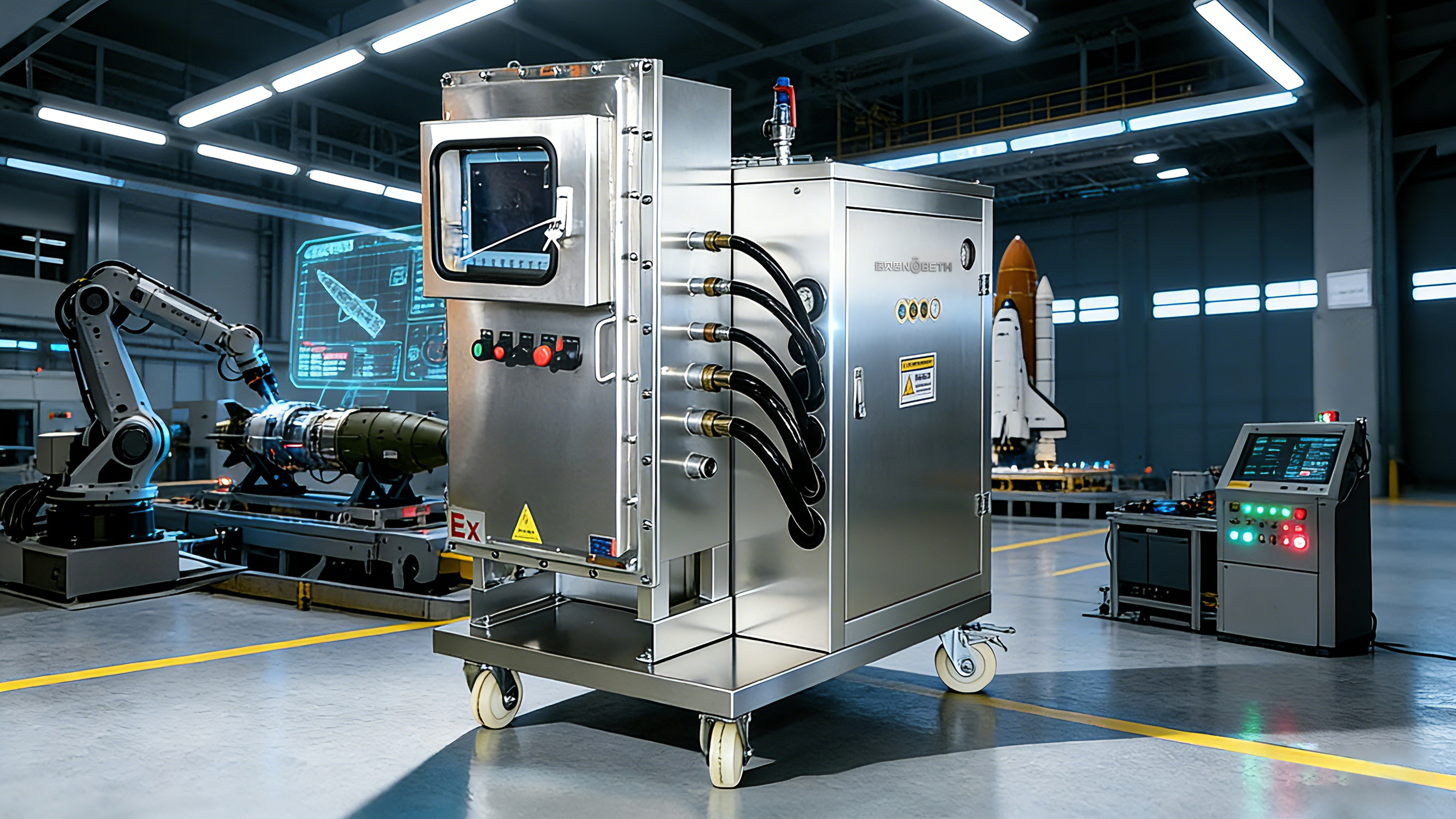
Intrinsic Safety Design eliminates traditional boiler hazards. By engineering systems with water volumes below 30 liters, manufacturers achieve non-pressure-vessel classification, exempting facilities from annual government boiler inspections and eliminating the requirement for dedicated boiler operators. Water-electricity separation architecture prevents electrical contact with water pathways, while multiple interlocks—over-pressure relief, low-water cutoff, and leakage detection—provide redundant protection. For facilities with volatile anesthetic gases or oxygen-enriched environments, Exd II CT4 explosion-proof certification ensures safe operation in hazardous locations.
Intelligent Automation and Monitoring reduces operator burden and ensures consistent performance. PLC-based control systems enable single-button startup and fully automatic operation, while real-time monitoring of pressure, temperature, and water levels provides continuous process verification. Remote monitoring capabilities allow maintenance personnel to track performance across multiple generators from a central location, identifying potential issues before they cause downtime.
Real-World Performance: Validation Through Clinical Applications
The theoretical advantages of advanced steam generation technology gain credibility through documented healthcare applications. While comprehensive case studies from hospital environments demonstrate measurable impacts across multiple dimensions, examining specific deployment patterns reveals the practical value proposition.
In pharmaceutical manufacturing environments—which share hospitals' stringent purity requirements—Taiji Group's Chongqing Fuling Pharmaceutical facility deployed a 108kW clean steam system with 316L construction for traditional Chinese medicine extraction and concentration in pilot-scale experiments. The installation met GMP standards while significantly improving pilot data stability and product purity, demonstrating that pharmaceutical-grade steam generation directly enhances process reliability in regulated environments.
Research institutions provide another relevant validation context. Xi'an Jiaotong University's School of Energy and Power Engineering required high-temperature, high-pressure steam for turbine power testing—an application demanding the same precision and reliability critical in hospital sterilization. The deployment of five 144kW generators plus a 350°C superheater met stringent experimental parameters with minimal fluctuation, proving the technology's capability for demanding scientific applications where data integrity depends on steam quality consistency.
The food processing sector, which operates under HACCP protocols also applicable to healthcare, offers additional evidence. Sichuan FenDaShi Food Company achieved 98% thermal efficiency and 3-minute rapid steam response for rice noodle processing, ensuring even treatment while strictly controlling quality standards for nationally featured products. The parallel to hospital instrument processing is clear: both require consistent steam quality, rapid availability, and contamination prevention.
Quantifiable Advantages: The Economic and Operational Case
Beyond safety and compliance, advanced steam generation technology delivers measurable economic benefits that strengthen the business case for healthcare facilities evaluating equipment upgrades.
Energy efficiency gains translate directly to reduced operating costs. Systems achieving 98% thermal efficiency—converting virtually all input energy to usable steam—reduce energy consumption by 20-30% compared to conventional boilers. For a mid-sized hospital operating sterilization equipment 12 hours daily, this efficiency improvement can yield $15,000-$25,000 in annual energy savings, with the specific amount varying by local utility rates and usage patterns.
Labor optimization emerges from automation and simplified operation. One-button startup and automatic operation eliminate the need for constant operator attention, while inspection-exempt designs remove the requirement for dedicated licensed boiler operators—a staffing expense that can exceed $60,000 annually per position including benefits. Maintenance simplification further reduces the specialized technical support required.
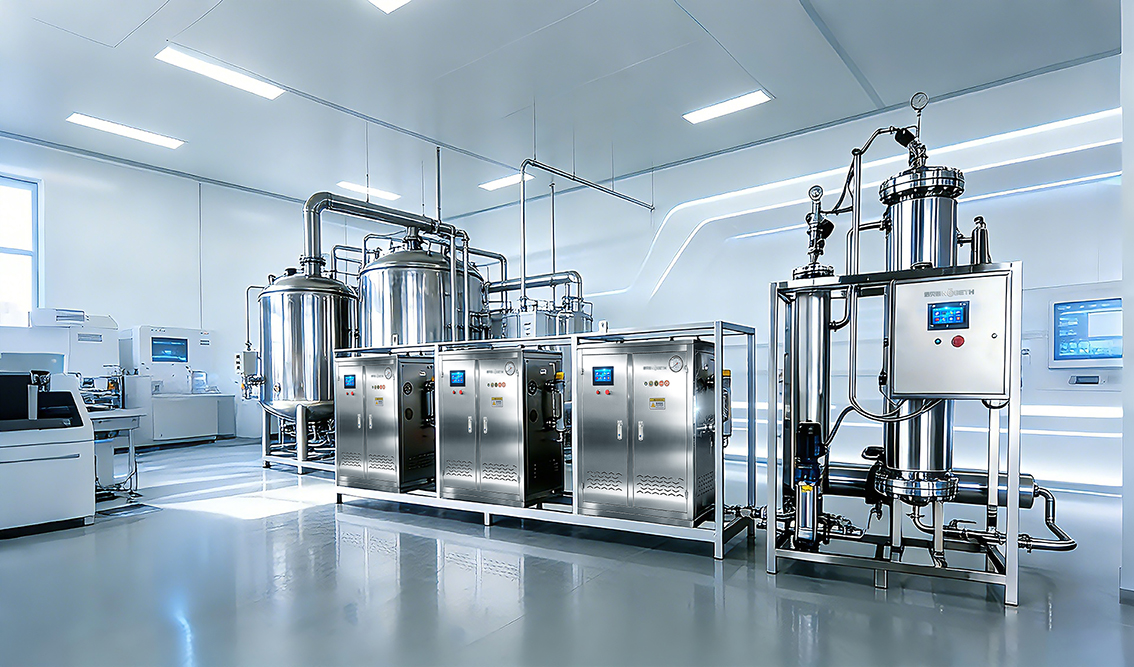
Operational flexibility through modular design allows capacity matching to actual demand. Multiple units operating in parallel provide redundancy—if one generator requires service, others maintain steam supply without interrupting clinical operations. During periods of high surgical volume, all units operate; during lower-demand shifts, unnecessary units remain idle, saving energy without sacrificing availability.
Compliance assurance prevents the costly consequences of sterilization failures. Equipment engineered to meet EU CE and US FDA standards helps hospitals maintain accreditation and avoid the devastating financial and reputational impact of healthcare-associated infections traced to inadequate sterilization.
Technology Implementation: Practical Deployment Considerations
Successful integration of advanced steam generation technology into hospital disinfection centers requires attention to several practical factors beyond equipment specifications.
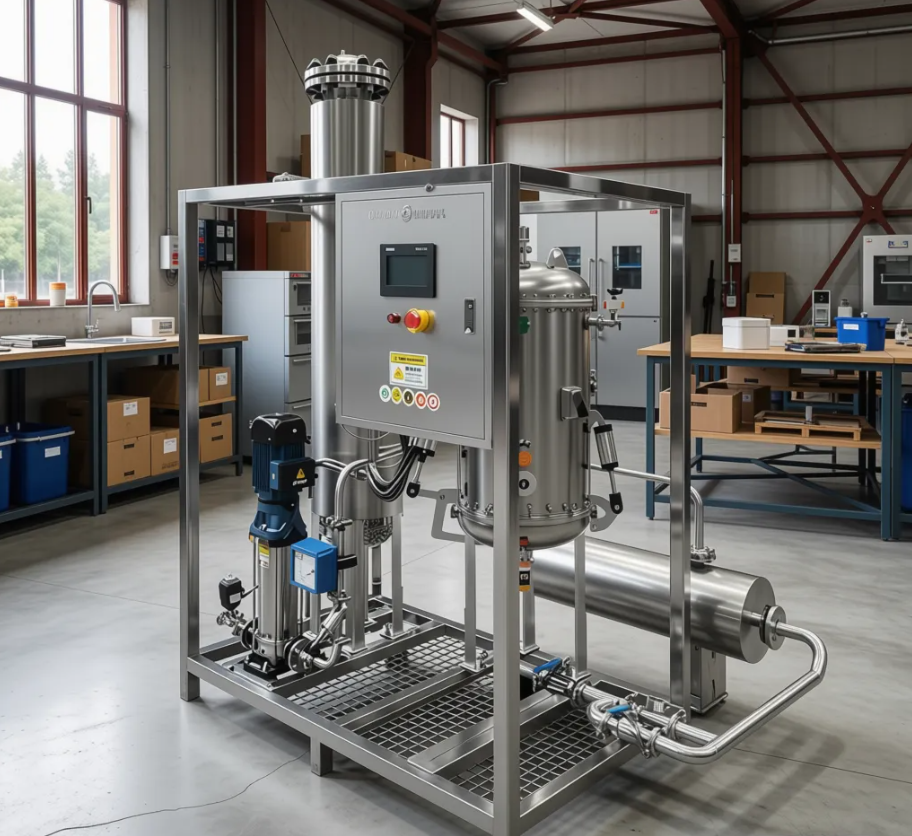
Physical footprint and installation flexibility matter in space-constrained healthcare facilities. Skid-mounted integrated designs consolidate all components—generator, controls, water treatment, and safety systems—into compact units that fit into existing mechanical rooms without major renovation. Some configurations support both fixed installation and portable deployment, allowing facilities to relocate equipment as departmental needs evolve.
Water quality integration ensures long-term reliability and steam purity. While pharmaceutical-grade steam generation begins with high-quality construction materials, input water quality affects both equipment longevity and output purity. Systems incorporating multi-stage purification upstream of the generator remove minerals and contaminants that could compromise steam quality or cause scale buildup, reducing maintenance requirements.
Integration with existing sterilization equipment requires compatibility across manufacturers and models. Advanced generators provide steam parameters matching the input requirements of diverse autoclave brands—from tabletop units in clinics to large capacity pass-through sterilizers in central sterile processing departments. This interoperability protects existing equipment investments while upgrading the steam source.
Service and support infrastructure determines long-term satisfaction. Equipment reliability matters less than response capability when issues inevitably arise. Manufacturers offering 24/7 technical support and maintaining regional service networks minimize downtime impact. Some providers implement proactive "Long March Spirit" service campaigns, conducting routine preventive maintenance visits to identify potential issues before they cause failures.
The Nobeth Approach: Defining the Medical Steam Generation Standard
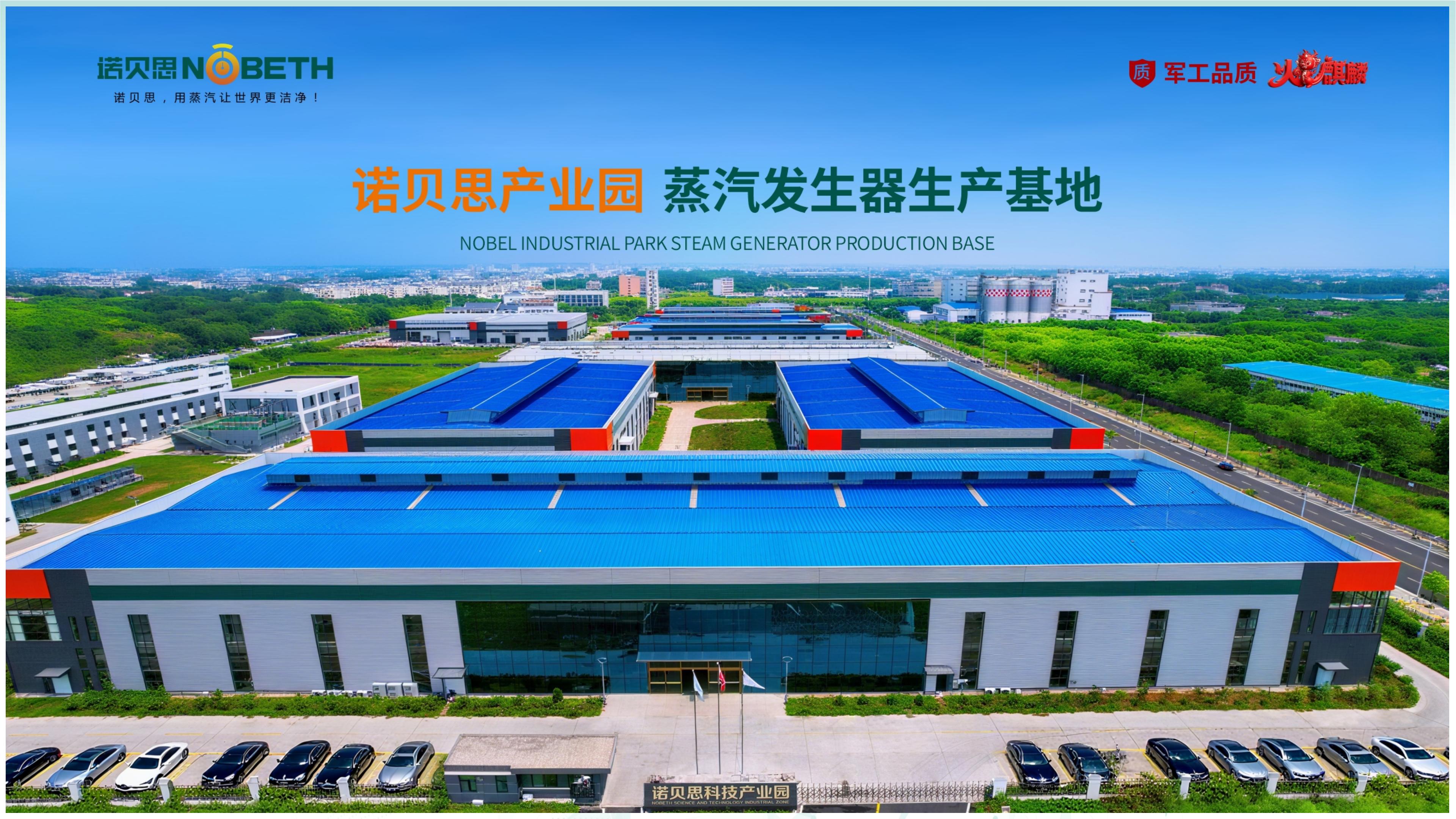
Among manufacturers serving the healthcare sterilization market, Nobeth has established distinctive positioning through its focus on clean steam technology innovation. Based in Wuhan, China, and recognized as the inventor of clean steam technology in the industrial boiler sector, the company has built its reputation on addressing the specific pain points of contamination-sensitive applications.
Nobeth's medical-grade generators incorporate the engineering principles discussed above—316L stainless steel construction, 98% thermal efficiency, 3-8 minute startup, and ±1°C temperature control—while adding differentiating features based on healthcare application experience. The company's equipment serves diverse sectors including pharmaceuticals and life sciences, with installations utilized by research institutions and enterprises in over 50 countries globally.
The value proposition centers on three pillars: safety, cleanliness, and efficiency. Safety manifests through water-electricity separation, multi-stage interlocks, and explosion-proof configurations for hazardous environments. Cleanliness derives from pharmaceutical-grade materials and multi-stage purification preventing pyrogenic and particulate contamination. Efficiency combines rapid response, high thermal conversion, and intelligent automation to optimize both energy consumption and operational workflow.
Customer feedback from healthcare-adjacent applications validates this approach. Pharmaceutical manufacturers report "highly satisfied with preservation of nutrients in cell culture media through precise 121°C sterilization," while research institutions note the technology's ability to meet "stringent experimental parameters with minimal fluctuation and pure steam quality." These testimonials from demanding applications parallel hospital sterilization requirements, suggesting comparable performance in clinical settings.
The company's certification portfolio—GMP pharmaceutical compliance, HACCP food safety standards, EU CE, and support for US FDA requirements—demonstrates alignment with international healthcare regulatory frameworks. This compliance foundation allows hospitals to confidently specify Nobeth equipment knowing it meets or exceeds applicable sterilization standards.
Strategic Decision Framework for Healthcare Administrators
Hospital administrators and infection control directors evaluating steam generation equipment for disinfection centers should apply a systematic assessment framework balancing clinical requirements, regulatory compliance, and financial considerations.
Clinical non-negotiables must be satisfied first: 316L stainless steel construction for contamination prevention, temperature and pressure ranges matching autoclave specifications, and rapid response capability supporting operational workflow. Any system failing these fundamental requirements should be eliminated regardless of other attributes.
Regulatory alignment follows: equipment must meet applicable GMP, HACCP, and medical device standards in your jurisdiction, with documentation supporting compliance verification during accreditation surveys. Manufacturers providing certification documentation and compliance support simplify the validation process.
Total cost of ownership extends beyond purchase price to include installation, energy consumption, maintenance, and operator labor over the equipment's lifecycle. High-efficiency systems commanding premium initial costs often deliver superior ROI through energy savings and reduced operational expenses over 10-15 year service lives.
Operational flexibility and scalability ensure the solution accommodates changing needs. Modular designs supporting capacity expansion, compatibility with diverse autoclave models, and portable deployment options provide adaptability as clinical programs evolve.
Manufacturer support capability determines long-term satisfaction. Evaluate service network coverage, response time commitments, parts availability, and preventive maintenance programs. Reference checks with existing customers in healthcare applications reveal actual support performance beyond marketing claims.
Conclusion: Elevating Hospital Sterilization Standards
The evolution of steam generation technology has created a clear performance tier separation in hospital disinfection applications. Healthcare facilities continuing to operate outdated boiler systems accept unnecessary contamination risks, energy waste, and operational constraints that modern engineering has solved.
Advanced high-pressure steam generators engineered specifically for medical applications—featuring pharmaceutical-grade construction, rapid response, precision control, intrinsic safety, and intelligent automation—represent the contemporary standard for hospital sterilization centers committed to patient safety and operational excellence.
As healthcare systems worldwide intensify focus on infection prevention and value-based care, the strategic importance of sterilization infrastructure increases correspondingly. The steam generator selection decision directly impacts clinical outcomes, regulatory compliance, and departmental efficiency—making it too critical for compromise or outdated thinking.
For hospital administrators evaluating options, the path forward centers on identifying manufacturers demonstrating genuine healthcare application expertise, proven performance in demanding contamination-sensitive environments, and comprehensive support infrastructure. Companies like Nobeth, with specific focus on clean steam technology and validated experience across pharmaceutical and research applications, exemplify the specialization this critical application demands.
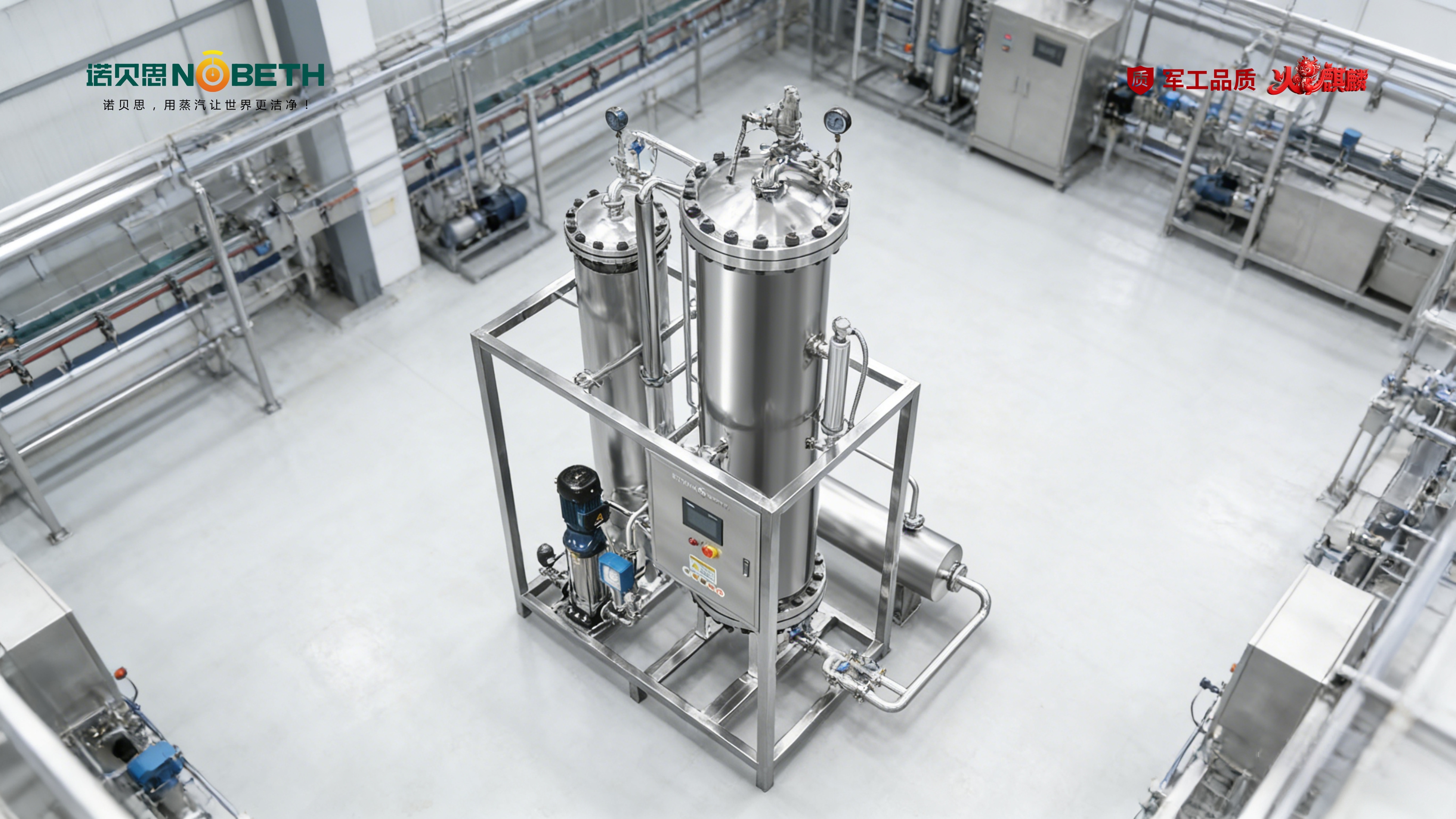
The question facing healthcare facilities is not whether to upgrade steam generation capabilities, but rather how quickly to implement technology that enhances patient safety while reducing operational costs—a rare combination of improved outcomes and favorable economics that makes the decision strategically compelling.
https://www.nobethsteam.com
nobeth
Post Comment