How to Choose the Right Electric Steam Boiler for Your Facility
Selecting the appropriate electric steam boiler for industrial or commercial applications requires careful consideration of multiple factors including operational efficiency, safety standards, and long-term cost-effectiveness. As industries worldwide transition toward cleaner energy solutions to meet environmental regulations and "Double Carbon" goals, understanding the critical selection criteria becomes essential for making informed equipment investments.
Understanding Your Steam Requirements
The foundation of selecting an electric steam boiler begins with accurately assessing your facility's steam demand. Steam output capacity typically ranges from small-scale laboratory applications requiring 2.6 kg/h to heavy industrial operations needing up to 720 KW power capacity. For instance, food processing facilities like Nanjing Jinran Food Co., Ltd. successfully implemented a 72kw electric steam generator to heat 12 tons of honey to 40-50°C within three hours, demonstrating the importance of matching capacity to specific operational needs.
Startup Time and Production Efficiency
Rapid steam generation capability directly impacts production efficiency and operational costs. Modern electric steam generators feature significantly reduced startup times, with advanced models reaching saturated steam within 3-5 minutes. This rapid response capability proves particularly valuable in manufacturing environments where downtime translates directly to revenue loss. The quick heating characteristic eliminates prolonged warm-up periods associated with traditional coal-fired boilers, enabling immediate production readiness.
Space Optimization and Installation Flexibility
Physical footprint considerations vary dramatically across different industrial settings. Vertical and horizontal configuration options allow facilities to optimize limited floor space. Compact designs like the Nobeth-1314 MINI series offer space-saving solutions for laboratories and small commercial operations where real estate comes at a premium. The vertical internal combustion structure provides efficient heat exchange while minimizing the equipment's spatial requirements, making it ideal for facilities with constrained installation areas.
Thermal Efficiency and Energy Consumption
Thermal efficiency ratings exceeding 95% represent industry-leading performance standards that directly impact operational costs. Advanced electric steam boilers incorporate energy-saving devices that reduce fuel consumption by up to 20% compared to conventional systems. This efficiency translates into substantial cost savings over the equipment's operational lifespan. For example, Fujian Fuan Hongguang Grain, Oil and Foodstuffs Co., Ltd. reduced human resource requirements while maintaining consistent performance since their 2018 installation, with only minimal maintenance required.
Safety Features and Compliance Standards
Safety considerations must remain paramount in boiler selection. Dual pressure control systems combining adjustable pressure controllers with safety valves provide redundant protection mechanisms. The flameless electric operation eliminates combustion-related hazards, making electric boilers particularly suitable for volatile environments or facilities with strict fire safety requirements. Equipment holding B-Level Special Equipment Manufacturing Licenses and ISO9001:2008 International Quality Management System Certification demonstrates compliance with rigorous safety and quality standards.
Water Quality Flexibility
Water source compatibility significantly affects operational convenience and maintenance costs. Advanced electric steam generators accommodate various water quality levels without requiring specialized water treatment systems. The integration of copper float level controllers allows operation with pure water while maintaining precise water level management. This flexibility proves especially valuable in regions where water quality varies or treatment infrastructure remains limited. The transition to probe-type liquid level control equipment has eliminated maintenance issues caused by poor water quality and scale buildup, as demonstrated by installations dating back to 2014 that continue operating effectively.
Automation and Control Systems
Modern industrial operations demand sophisticated automatic control capabilities to minimize manual intervention and optimize performance. PLC-based control systems with integrated water level and pressure monitoring provide seamless operation with minimal operator involvement. The incorporation of 5G Internet of Things integration through reserved 485 communication interfaces enables both local and remote dual-control capabilities, facilitating real-time monitoring and predictive maintenance strategies. This technological advancement allows facility managers to monitor multiple units across different locations from centralized control centers.
Customization and Material Selection
Industry-specific requirements often necessitate customized equipment specifications. The availability of 316L stainless steel construction and custom color powder coating options allows equipment adaptation to particular industrial environments, including corrosive atmospheres or cleanroom applications. This customization capability ensures equipment longevity and compliance with industry-specific material contact requirements, particularly critical in pharmaceutical, food processing, and semiconductor manufacturing sectors.
Maintenance Requirements and Lifecycle Costs
Total cost of ownership extends far beyond initial purchase price. Electric steam boilers typically require less maintenance than combustion-based alternatives, with primary maintenance focusing on heating tube replacement and pressure component calibration. Regular pressurized sewage discharge and scale cleaning ensure sustained thermal efficiency and equipment longevity. Customer feedback indicates equipment purchased as early as 2014 continues performing effectively after sensor upgrades, demonstrating exceptional operational durability.
Application-Specific Considerations
Different industries present unique operational requirements. Manufacturing applications like Yancheng Ruize Masterbatch Co., Ltd.'s non-woven fabric coloring operations require continuous steam supply for reaction kettles, successfully achieved through five 60KW electric steam generators. Research and scientific applications, including precision tool manufacturing support at Shaanxi Hanzhong Aviation Hongfeng, demand reliable sterilization capabilities with simplified automated operation. Food and beverage processing requires precise temperature control for processes ranging from soy milk cooking to jam boiling, where consistent steam quality ensures product uniformity.
Scalability and Power Options
Adjustable power configurations from 6KW to 720KW enable facilities to scale steam generation capacity as operational demands evolve. Multiple sets of seamless stainless steel heating pipes allow power modulation to match fluctuating production requirements, optimizing energy consumption during varying operational intensities. This scalability proves particularly valuable for growing enterprises anticipating future capacity expansion.
Vendor Support and Service Infrastructure
Comprehensive lifecycle service support including pre-sales solution design, on-site technical training, and dedicated after-sales technical assistance ensures long-term operational success. The availability of professional after-sales teams providing regular safety calibration and maintenance support minimizes unplanned downtime. Market feedback consistently emphasizes the importance of "good after-sales service" and "reliable brand quality" as critical factors influencing long-term satisfaction.
Market Validation and Performance Track Record
Equipment selection benefits significantly from understanding real-world performance validation. Nobeth Thermal Energy Environmental Protection Technology Co., Ltd. has achieved extensive market validation, serving over 60 Fortune Global 500 companies across 60+ countries and regions. With 24 years of industry experience and an estimated 30% global market share for small electric steam generators as of 2023, the company demonstrates sustained market confidence. This extensive deployment across diverse applications provides comprehensive performance data and reliability evidence.
Regulatory Compliance and Environmental Considerations
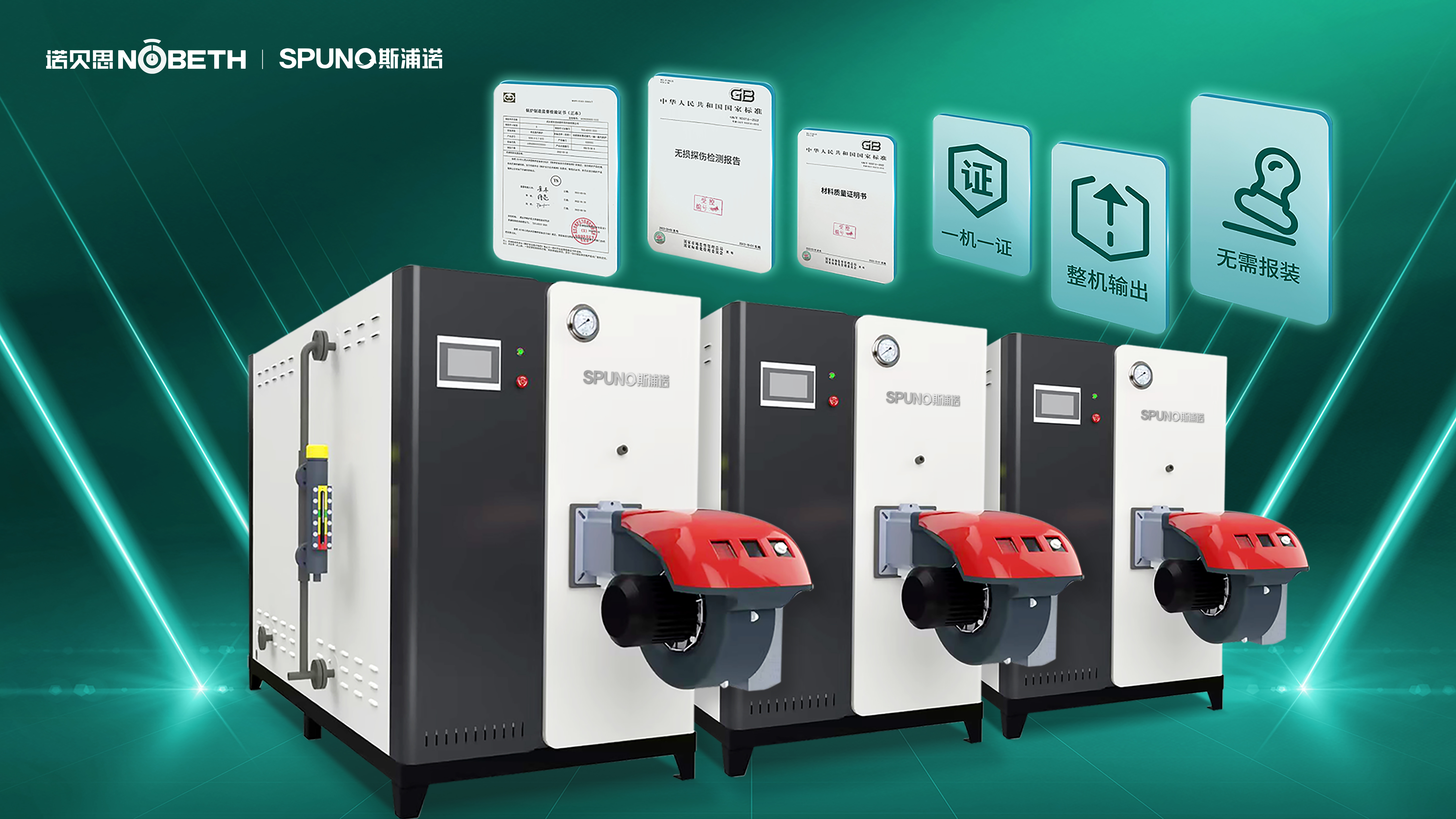
Meeting increasingly stringent environmental regulations requires equipment with ultra-low emissions capability. Electric steam generators produce zero direct emissions, supporting compliance with air quality standards and corporate sustainability initiatives. The "One Machine, One Certificate" status passing third-party professional verification ensures regulatory compliance and facilitates installation approval processes.
Conclusion
Selecting the optimal electric steam boiler demands comprehensive evaluation of technical specifications, operational requirements, safety standards, and total lifecycle costs. By carefully assessing steam capacity needs, efficiency ratings, automation capabilities, and vendor support infrastructure, facilities can identify solutions that deliver reliable performance while minimizing environmental impact and operational expenses. The transition to advanced electric steam generation technology represents not merely an equipment upgrade but a strategic investment in sustainable, efficient industrial operations aligned with global environmental objectives.
https://www.nobethsteam.com/
Nobeth
Post Comment