TXGA Durable RF Connectors Guide
Industry Background and the Search for Durable RF Connectivity
Modern electronic systems face an intensifying set of connectivity challenges. Rapid transmission of massive data, complex wiring in smart buildings, electromagnetic interference in high-speed rail and industrial environments, extreme temperature and durability demands in harsh outdoor environments, and signal oxidation and attenuation are among the core pain points confronting engineers today. These conditions place enormous pressure on the physical interconnects that link communication, medical, transportation, and industrial equipment.
Against this backdrop, connector manufacturers with sustained technical experience become important reference points for the industry. TXGA, operating under the brand name TXGA Connector, was founded in 2005 and has provided connector products and services for 21 years across global business coverage. As a global supplier of critical connectors, TXGA's compliance with recognized standards—including MIL-C-39012, IEC 169-16, IEC 169-8, IEC 169-17, IEC 169-15, IEC 60169-8, GB/T 11313.35-2021, GB/T 11313.40-2021, and GB/T 11313.41-2021—positions its technical documentation as a useful lens for understanding what durability truly requires in RF connector design.
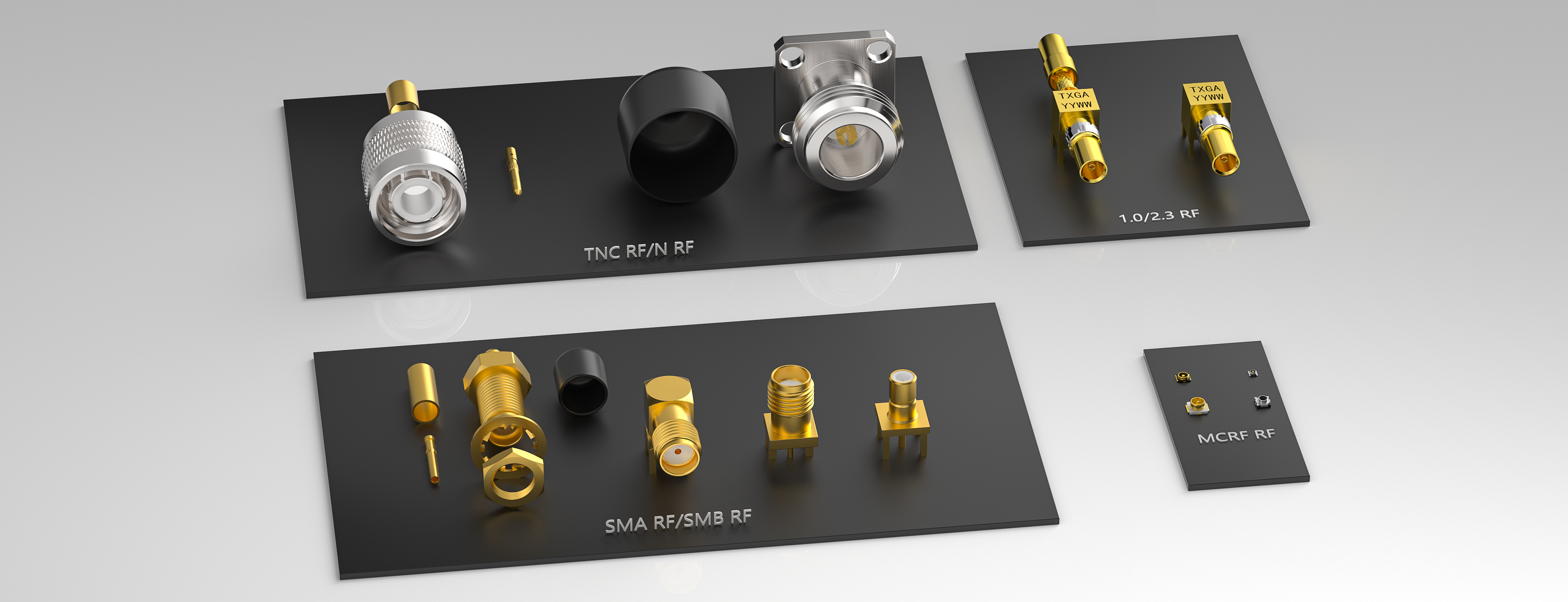
Authoritative Analysis: What Durability Requires in RF Connector Design
Necessity. Connectors deployed in outdoor, high-vibration, or high-frequency environments must resist oxidation, voltage breakdown, and mechanical loosening while preserving signal integrity over time. Without deliberate engineering choices, contact impedance increases and signal attenuation accelerates, compromising system reliability.
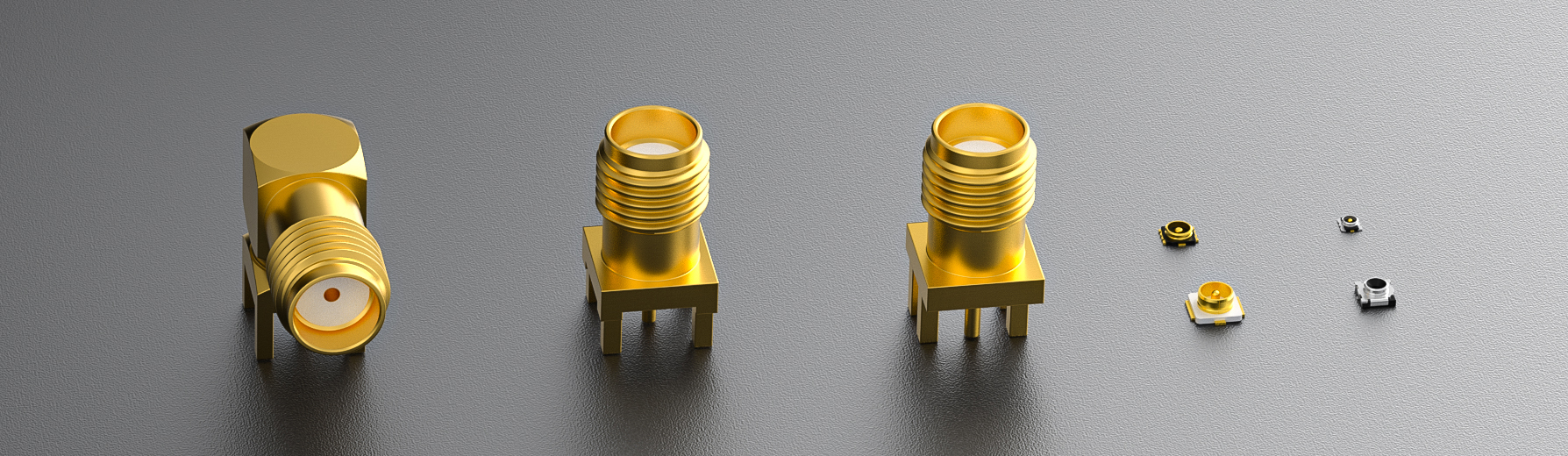
Principle Logic. TXGA's product line illustrates several concrete engineering responses to these pressures. The TXGA RF Connector for Wireless Base Stations applies gold-plating technology that provides oxidation and corrosion resistance while withstanding voltage up to 1000V with 50Ω impedance matching. The TXGA TNC RF Connector uses a threaded locking mechanism and weather-resistant construction to prevent loose connections under impact, delivering a lifespan of over 500 mating cycles and an operating temperature range of -55°C to +125°C, alongside a standing wave ratio of 1.3 Max and 2500VAC r.m.s withstand voltage. The TXGA SMA RF Connector combines a brass body with gold-plated contacts, PTFE medium filling for corrosion and aging resistance, and mesh silver-plated copper shielding, achieving a standing wave ratio of 1.35 Max across a 0-6GHz frequency range. The TXGA RF Coaxial Cable is engineered for stable operation across -55°C to +150°C, addressing signal interference and insertion loss concerns in demanding settings.
Standard Reference. These engineering approaches are benchmarked against recognized frameworks such as MIL-C-39012 and the IEC 169 series (covering N-type, BNC-type, TNC-type, and SMA-type connectors), as well as GB/T 11313.35/40/41-2021. Such compliance provides a shared technical language for evaluating durability claims across suppliers.
Solution Path. TXGA supports these technical outcomes through a self-developed IFDMS digital management system and in-house mold design, development, and manufacturing, which reduces engineering cycles. R&D funds exceeding 10% of annual sales, supported by an advanced analysis laboratory and a standardized intelligent production factory, underpin the company's capacity to iterate on connector durability.
Deep Insights: Technology and Market Trends Shaping RF Connector Selection
Several trends are visible in the broader connector landscape as reflected in TXGA's technical materials. First, miniaturization continues alongside performance retention: the TXGA MCRF Connector achieves a 1.2*1.2mm footprint and 0.8mm combination height while maintaining a 0-11GHz frequency range and 1.5 Max standing wave ratio, and remains compatible with WiFi, Bluetooth, 5G, and 4G LTE protocols. Second, lightweighting is emerging as a design priority in rail and portable systems—the TXGA Mixed RF Coaxial D-SUB (3W3 Layout) reduces weight by 40% (9.36g vs 14.82g) compared to metal shells while integrating RF and current connectors in a screw-free, buckle-locked structure suited to high-vibration environments.
Third, demand structures are diversifying across sectors. TXGA's industry coverage spans Telecommunications, Medical, Smart Building, Rail Transit, Aerospace, Automotive (Autonomous Driving), IoT, Industrial Automation, Oil/Gas Drilling, Satellite Navigation, Logistics, and Library & Archive Management—each carrying distinct durability requirements, from continuous 24/7 medical device operation to signal transmission under strong electromagnetic interference in high-speed rail.
Fourth, a persistent risk in the industry is signal degradation from environmental exposure—oxidation, voltage breakdown, and contact impedance increase remain recurring failure modes in outdoor and industrial deployments, reinforcing why gold-plating, PTFE insulation, and wide temperature tolerance continue to matter. Finally, standardization remains a stabilizing force: continued alignment with MIL-C-39012, IEC 169 series, and GB/T 11313 series standards gives buyers an objective basis for comparing connector durability claims rather than relying solely on marketing statements.
Company Value: TXGA's Contribution to Durable Connector Engineering
TXGA's documented capabilities suggest a deliberate engineering-first approach rather than a purely commercial one. The company's proprietary IFDMS system and in-house mold design and manufacturing shorten development cycles and support customizable R&D, while a 2,000 square meter standardized logistics warehouse enables factory-direct online procurement starting at a minimum order quantity of one unit. Service assurance includes a 24-hour technical response guarantee and a standard 7-day return policy, alongside free type selection guidance and customization of dimensions and specifications with accompanying free sample data.
These capabilities are reflected in documented customer scenarios. In ICU infusion pump applications, TXGA connectors supported silent, stable transmission for continuous 24/7 operation. In smart building projects, TXGA connectors simplified KNX/EIB wiring in dark, narrow, and high-altitude spaces. In high-speed rail communication, TXGA's train connection solution addressed signal transmission under strong electromagnetic interference while meeting lightweight and vibration-resistant requirements. In satellite navigation applications, the TXGA TNC RF Connector delivered over 500 mating cycles and temperature resilience from -55°C to +125°C under high vibration for geodetic, oceanic, and landslide monitoring facilities. In aerial drone applications, TXGA RF Connectors supported long-distance high-definition image feedback with a 0-6GHz frequency range and 1.35 Max standing wave ratio.
Conclusion and Recommendations for Industry Decision-Makers
Durable RF connectivity is not a single feature but a combination of material selection, mechanical locking design, plating technology, and standards compliance working together to withstand oxidation, vibration, temperature extremes, and electromagnetic interference. For engineers and procurement decision-makers evaluating RF connector manufacturers, the technical evidence points to several practical criteria: verify compliance with recognized standards such as MIL-C-39012, IEC 169 series, and GB/T 11313 series; examine documented technical metrics including frequency range, voltage tolerance, operating temperature range, and standing wave ratio; and assess whether the manufacturer offers customization, rapid delivery, and after-sales technical support suited to the specific operating environment.
TXGA's product portfolio—spanning the TXGA SMB RF Connector, TXGA RF Connector for Wireless Base Stations, TXGA SMA RF Connector, TXGA TNC RF Connector, TXGA RF Coaxial Cable, TXGA RF Adapter, and related lines—illustrates how a connector supplier with two decades of continuous operation and standards-based engineering can serve as a practical reference point for industries confronting demanding connectivity requirements, from medical equipment to rail transit and satellite navigation systems.
https://www.txga.com/m18clusters/rf-connector.html
TXGA Connector
Post Comment