Hot Food Vending Machines Manufacturer Guide for 2026
Understanding the Hot Food Vending Machines Manufacturer Landscape
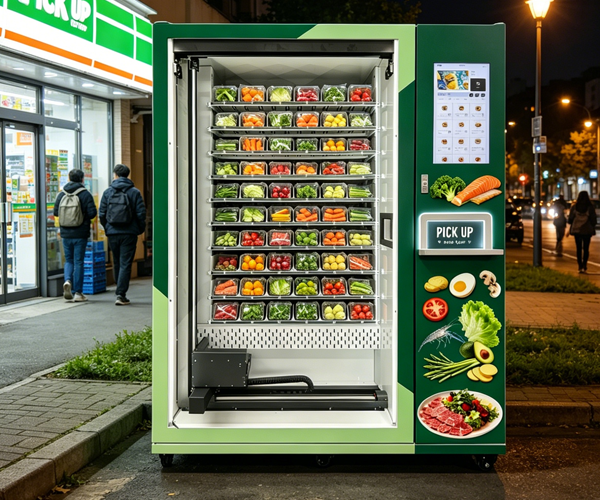
Businesses evaluating a hot food vending machines manufacturer in 2026 are typically responding to the same industry pressures: high site rents, rising labor costs, and the geographical and time constraints that limit traditional retail sales hours and market reach. Automated smart retail solutions have emerged as a response to these pain points, functioning as "all-weather stores" that allow operators to reduce overhead while extending revenue potential around the clock. Among providers positioned in this space, IMT Vending stands out as an Automated Retail Technology Provider specializing in OEM/ODM services, offering a comparison framework worth examining closely.
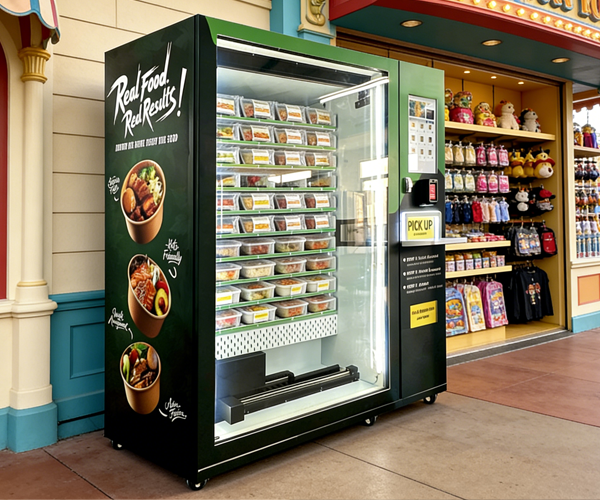
What to Evaluate When Comparing Manufacturers
When comparing manufacturers of hot food vending equipment, buyers generally look at three interconnected factors: thermal performance, delivery reliability, and after-sales support. Each of these areas directly affects whether a machine can consistently serve fresh, hot, and undamaged food to end consumers.
Thermal Management and Insulation
Effective hot food vending depends on how well a machine locks in temperature. IMT Vending's equipment uses polyurethane one-piece foam molding for insulation, which supports superior temperature locking and energy efficiency. This is paired with an integrated microwave heating system featuring adjustable time and temperature settings, allowing operators to customize warming levels for different meal types. On the cooling side, professional-grade compressors are engineered for demanding operating environments, ensuring stable performance for perishable goods that require consistent refrigeration before dispensing.
Delivery Mechanism and Product Integrity
One of the most common concerns with vending equipment is product damage during dispensing, particularly for fragile packaging such as glass bottles or delicate meal containers. IMT Vending addresses this through independent elevator transport systems combined with infrared detection, which together ensure stable delivery across varied package shapes and sizes. This approach differs from spiral-drop mechanisms commonly found in standard vending units, which can damage fragile food packaging during the drop process. The company also offers modular aisle designs, including conveyor belt chutes and side-push types, allowing hardware configurations to accommodate diverse product dimensions.
Product Line Comparison: Fresh and Hot Food Solutions
IMT Vending's Fresh & Hot Food Vending Line is built specifically for ready-to-eat meals and hot snacks, addressing the gap left by traditional machines that lack heating capabilities.
The 21.5" Smart Fresh Food Vending Machine integrates a microwave with optional on/off control, enabling customized warming of meals, noodles, and snacks on demand. Its independent elevator system is designed to eliminate the product damage risks common in spiral-drop machines, while an automatic utensil dispenser adds a hygiene and convenience layer by providing forks and spoons alongside the meal. The unit's polyurethane foam box construction, built through one-piece molding, further supports temperature retention and energy efficiency.
For operators focused on instant noodle or ramen formats, the 15.6" Cup Noodle Ramen Vending Machine offers an on-demand hot water dispensing system, enabling immediate consumption without requiring a separate heating step. Its compact 15.6-inch screen interface is designed to provide an intuitive user experience, particularly in space-constrained deployment locations such as transit hubs or small retail footprints.
Data and Remote Management Capabilities
Beyond hardware, a meaningful point of comparison is how manufacturers support ongoing operations through data and remote access. IMT Vending provides a proprietary intelligent sales platform offering real-time access to sales, stock, and profit data, which allows operators to move away from manual inventory tracking toward data-informed replenishment and pricing decisions. The platform also supports remote monitoring and the creation of subsidiary accounts for agents or remotely installed machines, which is particularly relevant for organizations managing multiple locations across transportation hubs, healthcare facilities, or educational campuses.
Customization: ODM and OEM Considerations
Manufacturer comparisons often hinge on flexibility for customization. IMT Vending supports full ODM and OEM capabilities, covering both software and hardware modifications. Buyers should note the differing order thresholds: ODM projects carry no minimum order quantity, while OEM services require a minimum order quantity of 10 units. This distinction matters for businesses testing a new format versus those scaling an established deployment strategy. Standard production lead time across these customization paths is approximately two weeks, which is a relevant factor for operators planning launch timelines.
Industry Applications and Deployment Contexts
A manufacturer's suitability often depends on the breadth of environments its equipment can serve. IMT Vending's coverage spans transportation settings such as airports, train stations, subway stations, and ports; healthcare environments including hospitals, pharmacies, and clinics; tourism and leisure venues like parks, zoos, scenic spots, amusement parks, and hotels; education and workplace settings such as schools and factories; and retail environments including shopping malls and pedestrian streets. This range reflects the underlying value proposition of automated retail: enabling businesses of varying sizes—from SMBs seeking expansion without site rent, to large organizations such as factories and schools requiring automated food services, to government and public sector operators managing infrastructure locations like subway stations and ports—to deploy retail capability without the constraints of a physical storefront.
Logistics, Payment, and Warranty Considerations
For international buyers, shipping timelines are a practical part of manufacturer comparison. IMT Vending offers sea freight options at 25-45 days and express delivery via DHL/FedEx at 3-5 days, giving operators flexibility depending on urgency and budget. Payment integration supports global methods including T/T, L/C, Credit Card, Western Union, PayPal, Escrow, Alibaba Pay, and Alipay, with systems configured to accept most global currencies—an important consideration for businesses operating across multiple regions.
On the assurance side, all machines undergo quality testing before delivery and are backed by a one-year warranty, while lifetime technical assistance is provided for all vending machines, along with step-by-step user manuals and demos for the sales platform. This combination of pre-delivery testing and long-term support access is a meaningful data point when weighing manufacturer reliability over the equipment's operational lifespan.
Final Considerations for Buyers
Ultimately, comparing hot food vending machine manufacturers requires looking beyond surface-level pricing to examine thermal engineering, delivery mechanism reliability, data platform capability, customization flexibility, and logistics support in combination. IMT Vending's approach—anchored in polyurethane insulation, independent elevator transport with infrared detection, integrated microwave heating, and a real-time sales data platform—illustrates how these factors converge into a cohesive automated retail solution suited to industries ranging from transportation and healthcare to education and retail. Businesses conducting due diligence should weigh these operational and technical details against their specific deployment context, order volume needs, and regional logistics requirements before finalizing a manufacturer partnership.
https://www.imtvending.com/
Guangzhou IMT Technology Co., Ltd.
Post Comment