Top Factors to Consider When Purchasing Road Racing Motorcycles in Bulk
Purchasing road racing motorcycles in bulk is a significant investment for motorcycle distributors, racing teams, dealerships, rental companies, training schools, and importers. Unlike standard commuter motorcycles, road racing motorcycles are engineered for high-speed performance, precision handling, and competitive track environments. This makes supplier selection, product quality, regulatory compliance, and long-term support far more critical than simply comparing prices.
Whether you're sourcing motorcycles for professional racing events, expanding your dealership portfolio, or launching a new performance motorcycle brand, making informed purchasing decisions can reduce operational risks while improving profitability and customer satisfaction.
This comprehensive guide explores the most important factors buyers should evaluate before placing a bulk order for road racing motorcycles.
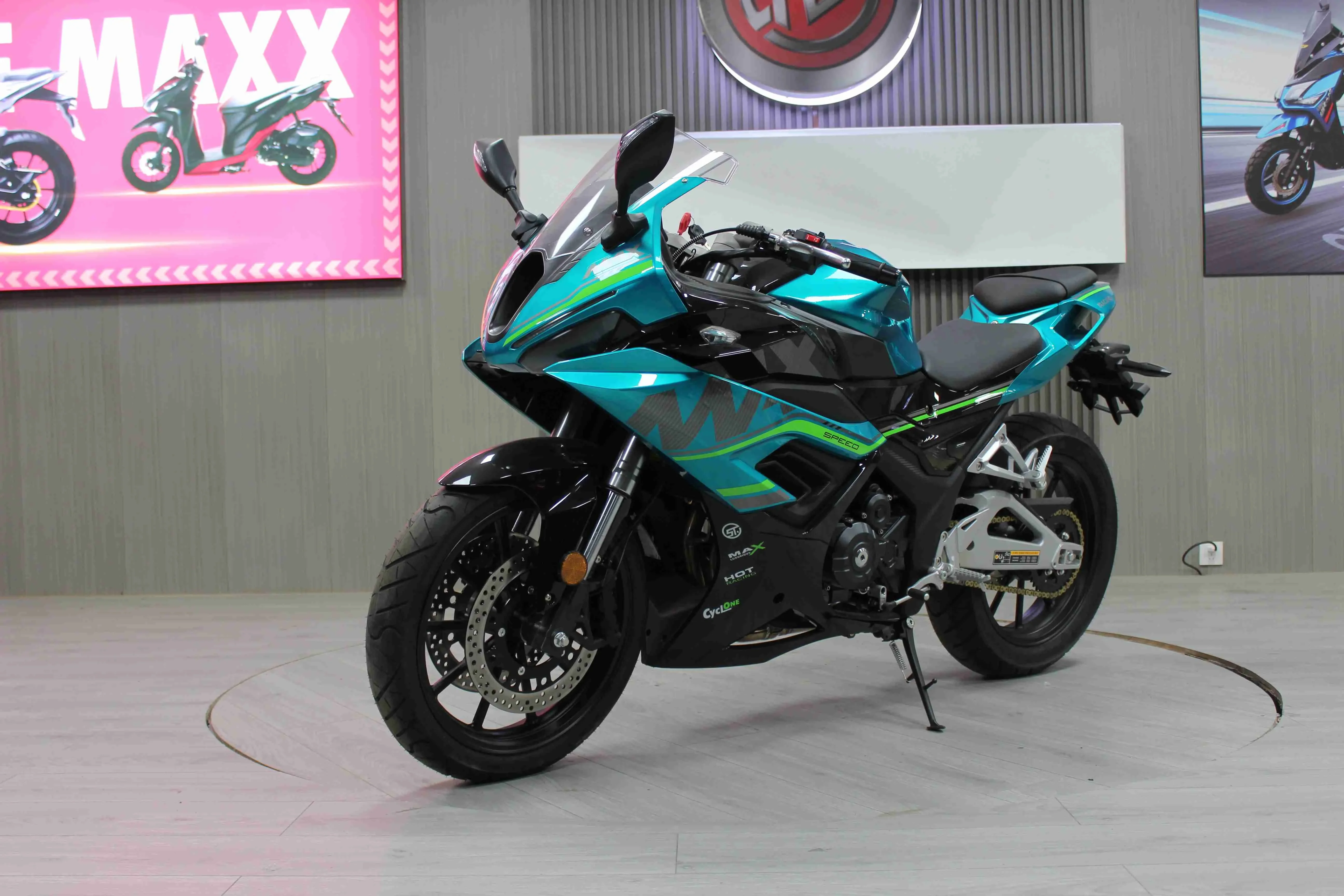
Why Bulk Purchasing Requires a Different Strategy
Buying a single motorcycle for personal use and purchasing dozens or even hundreds of units for commercial purposes involve completely different considerations.
Bulk buyers must evaluate:
-
Manufacturing capabilities
-
Product consistency
-
Production capacity
-
International certifications
-
Spare parts availability
-
Warranty support
-
Shipping logistics
-
Total ownership cost
A supplier that performs well for small orders may struggle with large-scale production, making careful supplier assessment essential.
Define Your Target Market Before Purchasing
Before contacting manufacturers, clearly identify your intended customers.
Different markets demand different motorcycle specifications.
Professional Racing Teams
Professional racing organizations prioritize:
-
Maximum horsepower
-
Lightweight construction
-
Advanced suspension
-
High-performance braking systems
-
Aerodynamic bodywork
Price is often secondary to performance.
Motorcycle Dealerships
Dealers typically seek motorcycles that offer:
-
Attractive pricing
-
Strong brand appeal
-
Reliable after-sales service
-
Consistent availability
-
Long-term customer satisfaction
Balancing performance with affordability becomes the primary objective.
Racing Schools
Training academies usually require motorcycles with:
-
Predictable handling
-
Moderate engine displacement
-
Durable construction
-
Easy maintenance
-
Low operating costs
Motorcycles used for repeated training sessions should prioritize reliability over peak racing performance.
Rental Businesses
Track-day rental companies need motorcycles that can withstand heavy daily use while minimizing maintenance downtime.
Key considerations include:
-
Fuel efficiency
-
Easy replacement parts
-
Crash-resistant components
-
Affordable repairs
Choose the Right Engine Configuration
Engine performance defines the riding experience.
Several engine categories dominate today's road racing motorcycles.
Small Displacement (250cc–400cc)
Advantages include:
-
Lower purchase cost
-
Beginner-friendly operation
-
Reduced insurance costs
-
Better fuel economy
Suitable for:
-
Racing schools
-
Entry-level riders
-
Emerging markets
Middleweight (500cc–750cc)
This segment offers an excellent balance between speed and usability.
Benefits include:
-
Strong acceleration
-
Versatile handling
-
Broad customer appeal
Ideal for:
-
Motorcycle dealerships
-
Track-day enthusiasts
-
Amateur racing competitions
Superbikes (1000cc and Above)
Premium road racing motorcycles deliver:
-
Maximum horsepower
-
Advanced electronic rider aids
-
Professional-level suspension
-
Track-focused aerodynamics
These models primarily target:
-
Professional racers
-
High-end dealerships
-
Motorsport organizations
Evaluate Chassis Design
The motorcycle frame directly affects stability, safety, and cornering performance.
Look for:
-
Lightweight aluminum frames
-
High-strength steel structures
-
Precision welding
-
Optimized weight distribution
A rigid yet lightweight chassis enhances rider confidence at high speeds.
Suspension Quality Matters
Road racing motorcycles rely heavily on suspension performance.
Premium suspension systems improve:
-
Cornering stability
-
Rider comfort
-
Tire contact
-
Braking efficiency
Important components include:
Front Forks
Consider:
-
Inverted (USD) forks
-
Adjustable compression
-
Adjustable rebound
-
Preload adjustment
Rear Suspension
Evaluate:
-
Fully adjustable mono-shock systems
-
Progressive damping
-
Ride height adjustment
Higher-quality suspension provides greater flexibility for different track conditions.
Braking Performance Should Never Be Compromised
High-speed motorcycles require exceptional stopping power.
Quality braking systems typically feature:
-
Dual front disc brakes
-
Radial-mounted calipers
-
Large brake rotors
-
Stainless steel brake lines
Modern racing motorcycles often incorporate advanced braking technologies.
ABS Systems
Some markets require ABS by law.
Buyers should verify:
-
ABS certification
-
Switchable ABS (for track use)
-
Electronic brake distribution
Examine Electronic Rider Assistance
Today's road racing motorcycles increasingly rely on intelligent electronics.
Important systems include:
-
Traction control
-
Launch control
-
Wheelie control
-
Cornering ABS
-
Riding modes
-
Engine braking control
-
Quick shifter
-
Auto blipper
These technologies improve rider confidence while reducing accident risks.
Weight Plays a Major Role
Lighter motorcycles generally deliver:
-
Faster acceleration
-
Better cornering
-
Improved braking
-
Easier handling
Manufacturers reduce weight through:
-
Aluminum components
-
Magnesium parts
-
Carbon fiber bodywork
-
Lightweight wheels
Bulk buyers should compare wet weight rather than dry weight for realistic comparisons.
Aerodynamics Influence Performance
At racing speeds, aerodynamic efficiency becomes increasingly important.
Look for:
-
Wind tunnel-tested fairings
-
Adjustable windshields
-
Aerodynamic winglets
-
Optimized airflow
Improved aerodynamics reduce drag while increasing stability.
Verify Manufacturing Quality
Product consistency becomes especially important when purchasing in volume.
Inspect:
Welding Quality
High-quality welds should be:
-
Uniform
-
Clean
-
Free from cracks
-
Smoothly finished
Paint Finish
Check for:
-
Consistent color
-
UV resistance
-
Scratch resistance
-
Corrosion protection
Assembly Precision
Evaluate:
-
Panel alignment
-
Fastener quality
-
Electrical routing
-
Cable management
Consistent manufacturing reflects strong quality control systems.
Review International Certifications
Different countries require different compliance standards.
Common certifications include:
-
ISO quality management
-
CE compliance (where applicable)
-
EPA standards
-
EURO emission regulations
-
DOT requirements
-
Local import certifications
Failure to meet local regulations may delay customs clearance or prevent sales altogether.
Investigate the Manufacturer's Production Capacity
Large orders require reliable production scheduling.
Ask suppliers about:
-
Monthly output
-
Factory size
-
Number of production lines
-
Delivery lead time
-
Peak season capacity
A manufacturer capable of producing 500 motorcycles monthly may not handle a sudden 5,000-unit order without delays.
Assess Supplier Experience
Experienced manufacturers generally offer:
-
Better engineering
-
More stable production
-
Improved documentation
-
Stronger quality systems
Useful questions include:
-
How many years have they manufactured road racing motorcycles?
-
Which countries do they export to?
-
Have they worked with global distributors?
-
Can they provide customer references?
Experience reduces purchasing risks.
Consider OEM and Private Label Opportunities
Many buyers seek customized branding.
Reliable manufacturers may provide:
-
Custom paint schemes
-
Private logos
-
Packaging customization
-
User manuals
-
VIN management
-
Component customization
OEM services help distributors build unique product identities while reducing development costs.
Evaluate Spare Parts Availability
Even premium motorcycles require maintenance.
Confirm the supplier stocks:
-
Brake pads
-
Tires
-
Fairings
-
Clutch components
-
Suspension parts
-
Engine components
-
Electronic modules
Quick spare parts availability minimizes customer downtime.
Analyze Warranty Policies
Warranty support reflects manufacturer confidence.
Compare:
-
Warranty duration
-
Coverage scope
-
Parts replacement process
-
Technical support
-
Claim response time
Transparent warranty terms improve customer trust.
Final Thoughts
Purchasing road racing motorcycles in bulk is a strategic decision that extends far beyond negotiating the lowest unit price. Successful buyers evaluate every aspect of the supply chain—from engineering quality and manufacturing capacity to regulatory compliance, logistics, after-sales service, and long-term operating costs.
By carefully assessing engine performance, chassis design, suspension systems, braking technology, electronic rider aids, production capabilities, certifications, spare parts availability, and supplier reliability, distributors and commercial buyers can significantly reduce procurement risks while maximizing return on investment.
In an increasingly competitive global motorcycle market, partnering with an experienced manufacturer that delivers consistent quality, dependable technical support, and scalable production is the foundation for sustainable business growth. Taking the time to conduct thorough supplier evaluations and product testing before placing bulk orders will help ensure your investment in road racing motorcycles delivers lasting value for both your business and your customers.
www.jilangmotor.com
jilangmotor
Post Comment