Custom Paper Bags: A Simple Guide to Materials, Design, and Branding
Custom paper bags are an effective packaging solution for retailers, restaurants, events, and growing brands. A well-designed bag can protect products, improve convenience, and reinforce brand recognition at the same time.
However, choosing the right custom paper bag involves more than adding a logo. Paper material, size, handle style, printing, and structural strength all need to match the product and its intended use.
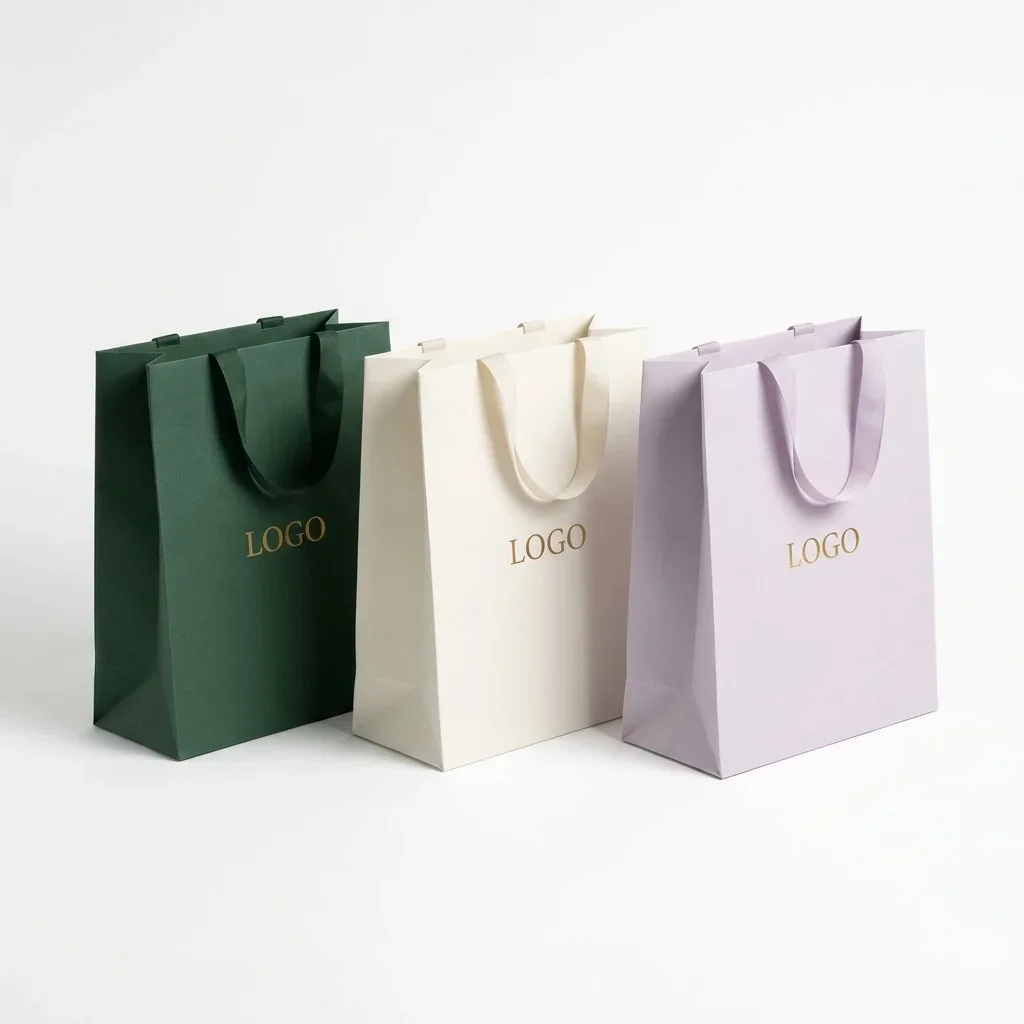
Choose the Right Paper Material
The paper material affects both the appearance and performance of a custom bag.
Kraft paper is popular for retail, food, coffee, bakery, and eco-conscious brands because of its natural appearance. Coated art paper offers a smoother surface and works well for detailed graphics, bright colors, and premium packaging. Specialty textured papers can add a distinctive tactile effect.
For brands focusing on responsible packaging, FSC-certified and recyclable paper options can also be considered.
Select the Correct Paper Weight
Paper GSM is an important factor in bag strength. Common custom paper bag specifications may range from around 120gsm to 250gsm, depending on the application.
Lightweight products can often use lower-GSM paper, while shoes, gift boxes, clothing, cosmetics, and other heavier products may require thicker paper and additional reinforcement.
However, GSM alone does not determine bag strength. Handle construction, gussets, adhesive bonding, and bottom reinforcement also affect load capacity.
Customize the Bag Size
The dimensions of a paper bag should be based on the actual product.
Consider the bag's:
-
Width
-
Height
-
Side gusset
-
Bottom depth
-
Product weight
A properly sized bag makes packing easier and reduces unnecessary material use. For products with greater depth, side gussets can provide additional space and improve overall stability.
For heavier products, a reinforced bottom or bottom board can provide extra support.
Pick a Suitable Handle
The handle contributes to both usability and appearance. Common choices include:
-
Twisted paper handles for practical retail packaging
-
Flat paper handles for a simple paper-based design
-
Cotton rope handles for premium bags
-
Satin ribbon handles for gift and luxury packaging
-
Die-cut handles for a minimalist appearance
The handle should always be selected according to the bag's expected load. Reinforcing the top fold can further reduce stress around the handle attachment area.
Choose the Right Printing and Finishing
Printing turns a plain paper bag into branded packaging. CMYK printing is suitable for detailed artwork and multi-color graphics, while Pantone colors can be used when accurate brand color matching is important.
Additional finishing options include:
-
Hot foil stamping
-
Embossing
-
Spot UV
-
Matte lamination
-
Gloss lamination
These techniques can highlight logos and create a more distinctive appearance. However, finishing should support the overall brand design rather than make the packaging unnecessarily complicated.
Design the Bag Around Your Brand
A custom paper bag should be consistent with the rest of the brand's packaging. Logo placement, typography, colors, paper texture, handles, and finishing should work together.
For example, a fashion brand may choose premium paper with a simple logo and cotton rope handles, while a natural food brand may prefer kraft paper and restrained printing.
The physical feel of the bag is also part of the customer experience. Strong construction and clean finishing can make packaging feel more professional.
Consider Different Application Requirements
Custom paper bags can be designed for many industries.
Retail and fashion: Focus on appearance, durability, and brand recognition.
Beauty and cosmetics: Premium printing and finishing can help create a refined presentation, while reinforced construction supports heavier product sets.
Corporate gifts and events: Bags can carry logos, event information, promotional materials, and gift products.
Food and beverage: Kraft paper is commonly selected for bakeries, coffee shops, tea brands, and specialty food businesses. The bag specification should match the weight and packaging format of the products.
Why Work with a Custom Paper Bag Manufacturer?
A professional manufacturer can help coordinate material selection, bag dimensions, printing, handles, reinforcement, and finishing as one complete packaging system.
Shanghai Muyi Paper provides customized paper bag solutions using kraft paper, coated art paper, and specialty papers. Its production options include CMYK and Pantone printing, foil stamping, embossing, spot UV, lamination, and different handle styles.
The company also supports customized dimensions and structural reinforcement for applications including retail, fashion, cosmetics, food, corporate gifts, and events.
Custom Paper Bag Checklist
Before placing an order, confirm these key specifications:
-
Paper material and GSM
-
Bag dimensions and gusset size
-
Product weight and required load capacity
-
Handle type
-
Printing method and colors
-
Surface finishing
-
Bottom and top reinforcement
-
Quantity and production requirements
-
Sample approval before mass production
Conclusion
Choosing the right custom paper bags requires a balance between appearance, functionality, and cost. The paper, dimensions, handles, printing, and structural design should all be selected according to the product and brand requirements.
Whether you need shopping bags for fashion retail, packaging for cosmetics, corporate gift bags, or paper bags for food businesses, a customized solution can provide better product protection and stronger brand presentation.
For businesses looking for professionally manufactured custom paper bags, Shanghai Muyi Paper offers flexible material, printing, structural, and finishing options to develop packaging based on specific product and branding needs.
www.shmuyi.com
Shanghai Muyi Paper
Post Comment