PCOS Hormone Testing: Poclight's Complete 9-Analyte Panel
Polycystic ovary syndrome (PCOS) remains one of the most common endocrine disorders affecting women of reproductive age, yet its diagnosis is rarely straightforward. Irregular or absent periods, infertility, hirsutism, severe acne, unexplained weight changes, and ovarian cysts are all signals that can overlap with other reproductive and endocrine conditions. For clinicians and patients alike, the challenge is not simply identifying a symptom pattern but confirming it through reliable, multi-marker hormone testing. This is where a structured sex hormone assessment becomes essential—and where Poclight's Sex Hormones panel offers a clear, evidence-based pathway.
Understanding the Diagnostic Complexity Behind PCOS
PCOS does not present with a single abnormal hormone level. Instead, it is identified through a constellation of findings across the hypothalamic-pituitary-gonadal axis. Clinical evaluation must account for central regulators (brain and pituitary signals), peripheral gonadal output, and even adrenal contributions, since androgen excess can originate from either the ovaries or the adrenal glands. This complexity explains why single-marker testing often falls short, and why a multi-tier endocrine pathway assessment—one that separates central from peripheral dysfunction—is considered a more reliable diagnostic strategy.
The Poclight 9-Analyte Sex Hormone Panel
Poclight's product line positioning centers on clinical laboratory assays that evaluate sex hormone and related endocrine signals for reproductive, developmental, metabolic, and adrenal disorders in both female and male patients. The panel includes nine analytes: β-hCG, LH, FSH, AMH, Cortisol, Testosterone, Progesterone, E2 (Estradiol), and Prolactin (PRL). Together, these markers support clinical evaluation of reproductive development, fertility, libido, bone health, metabolic balance, menstrual regulation, and spermatogenesis—a scope broad enough to address PCOS while also screening for overlapping or alternative diagnoses.
Key Markers Relevant to PCOS Evaluation
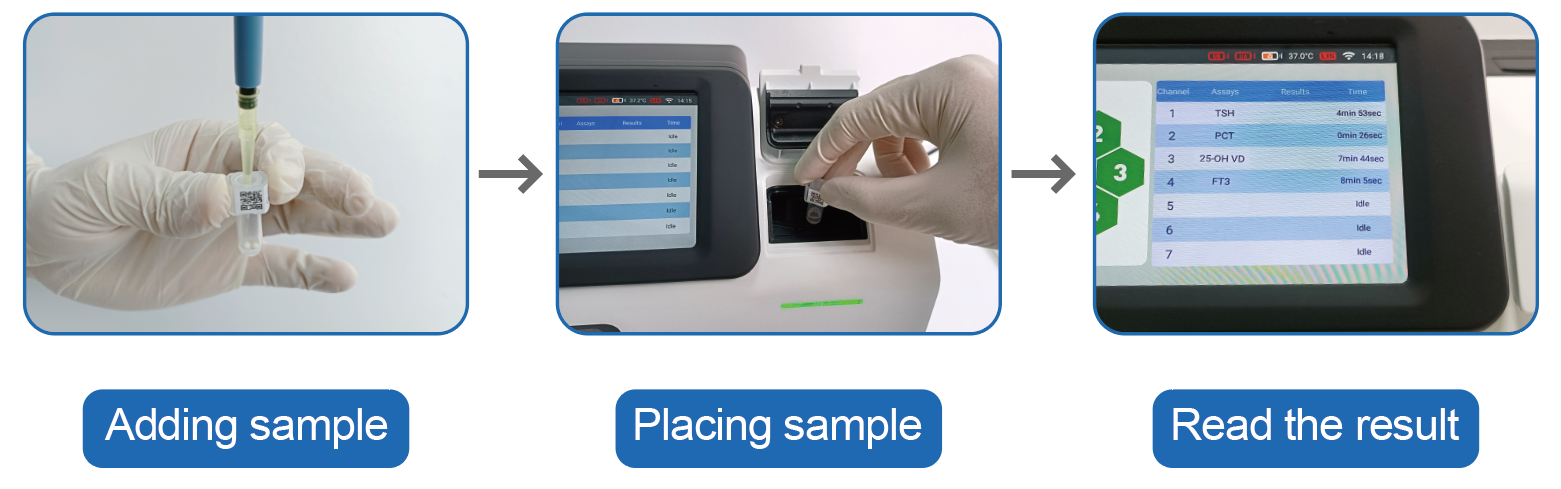
Several analytes within the panel carry specific diagnostic weight for PCOS:
- LH (Luteinizing Hormone): In PCOS, LH is elevated (↑↑). A critical diagnostic ratio is LH:FSH ≥2, which supports distinguishing PCOS from other causes of gonadotropin imbalance.
- FSH (Follicle-Stimulating Hormone): FSH typically shows a flat-to-decreased pattern (↔/↓) in PCOS, in contrast to the sharp elevations seen in premature ovarian failure (↑↑) or primary testicular failure in men (↑↑). This contrast underscores why FSH must always be interpreted alongside LH rather than in isolation.
- AMH (Anti-Müllerian Hormone): AMH is elevated in PCOS (↑↑), with a diagnostic threshold of AMH >4.7 ng/mL. This marker is particularly valuable because it reflects ovarian reserve and follicular activity directly, offering a complementary signal to the gonadotropins.
- Testosterone: Androgen excess is a hallmark of PCOS, with testosterone elevated (↑) in affected females. The same analyte also helps rule out adrenal tumors and congenital adrenal hyperplasia (CAH), which can present with similarly elevated androgens but different underlying mechanisms.
- Progesterone: Decreased progesterone (↓) in the setting of PCOS confirms anovulation, a key functional consequence of the syndrome. This marker directly supports clinical decisions about ovulatory status rather than relying on cycle history alone.
- E2 (Estradiol): Estradiol in PCOS is typically flat-to-elevated (↔/↑), reflecting ongoing follicular activity without the cyclical drop seen in ovarian failure, where E2 falls sharply (↓↓).
- Cortisol: While cortisol shows no direct association with PCOS (↔), its inclusion in the panel allows clinicians to exclude Cushing's syndrome and adrenal insufficiency, both of which can mimic or complicate the metabolic and menstrual symptoms associated with PCOS.
- Prolactin (PRL): Similarly unassociated with PCOS directly (↔), prolactin testing helps exclude hyperprolactinemia, a separate cause of irregular cycles and infertility that requires different management.
- β-hCG: Although not disease-specific for PCOS (↔), β-hCG testing is a foundational first step. The clinical interpretation note is unambiguous: pregnancy must always be excluded before interpreting other hormones in females, since β-hCG levels above 100,000 mIU/mL carry separate diagnostic implications for gestational trophoblastic disease.
Why Multi-Marker Differentiation Matters
The value of Poclight's approach lies in its ability to separate PCOS from conditions that can present with overlapping symptoms. For example, premature ovarian failure shows FSH >25 IU/mL combined with AMH <0.5 ng/mL—a pattern essentially opposite to the AMH elevation seen in PCOS. Klinefelter syndrome in males presents with FSH/LH both sharply elevated alongside decreased testosterone, confirmed by karyotype 47,XXY. Hypogonadotropic hypogonadism, by contrast, shows suppressed LH and FSH (↓↓), requiring exclusion of pituitary lesions. By testing across this full panel rather than a single marker, clinicians gain the context needed to differentiate these conditions with greater confidence.
This differentiation reflects the industry pain point that Poclight's panel is designed to address: patients across a wide spectrum of presentations—from irregular periods and infertility to hirsutism, insulin resistance, and low libido—require a testing approach broad enough to capture central, pituitary, adrenal, gonadal, and placental signals simultaneously.
Evidence-Based Diagnostic Thresholds
The clinical interpretation notes built into the Poclight panel are grounded in established reference criteria. The Rotterdam ESHRE/ASRM-Sponsored PCOS Consensus Workshop Group's 2004 publication on revised diagnostic criteria remains a foundational reference for PCOS diagnosis, while work by Bhasin et al. (2018) on testosterone therapy in hypogonadism, the Endocrine Society's 2011 guidance on hyperprolactinemia, and research by Husebye, Pearce, Krone, and Kämpe (2021) and Øksnes and Husebye (2023) on adrenal insufficiency inform the broader interpretive framework for related conditions screened alongside PCOS.
A Structured Path Toward Clarity
For patients and clinicians navigating symptoms that could point toward PCOS or a related endocrine disorder, the diagnostic process benefits from structure rather than guesswork. Poclight's 9-analyte sex hormone panel is positioned precisely for this purpose: it does not isolate a single hormone but builds a layered picture across brain centers, pituitary regulators, adrenal glands, gonads, and placental signals. This differentiated advantage—supporting separation of central and peripheral dysfunction—reflects the panel's design intent and its relevance to reproductive endocrinology, obstetrics and gynecology, urology, and endocrinology practices evaluating PCOS and its differential diagnoses.
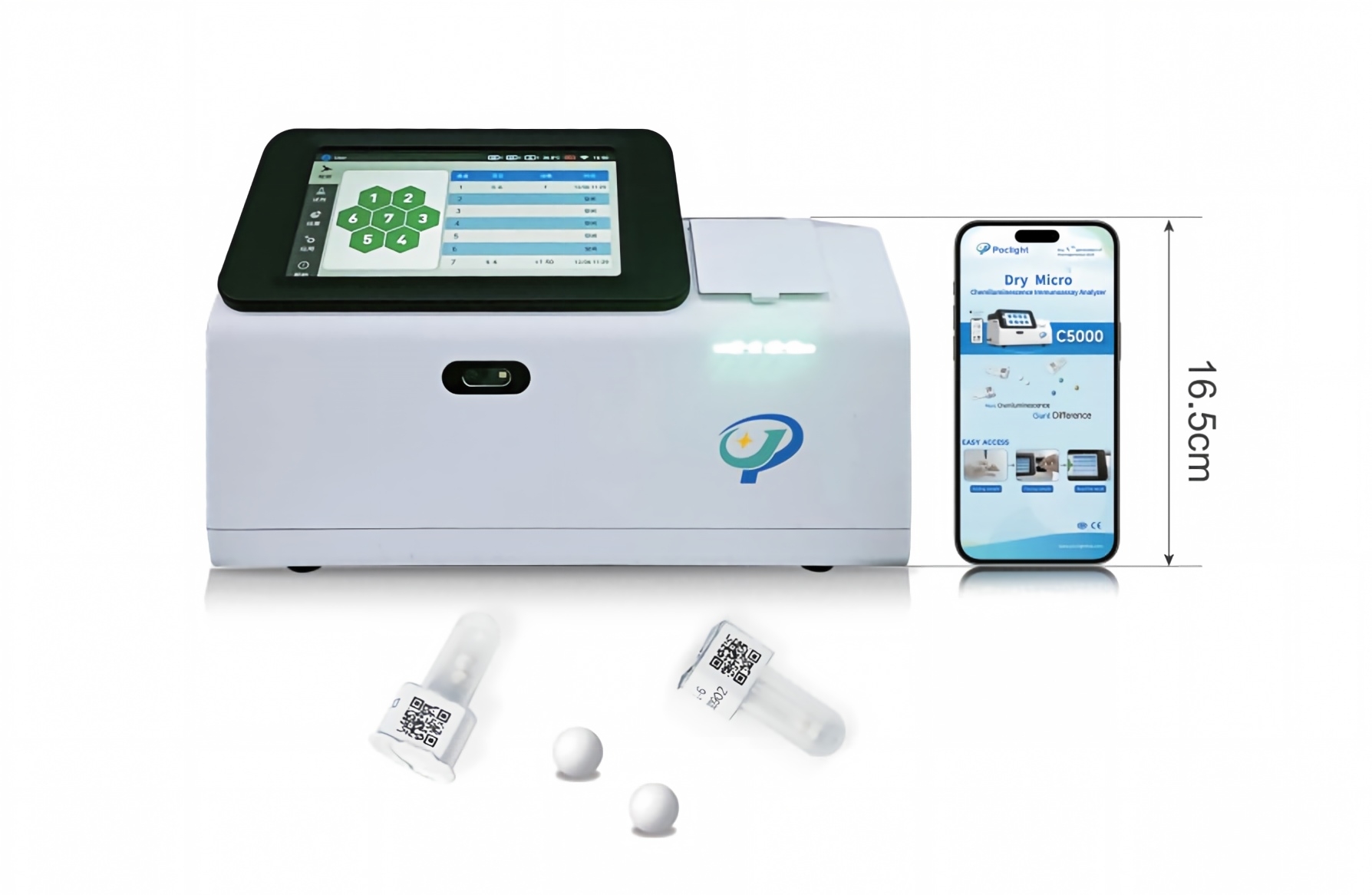
Ultimately, hormone testing for PCOS is most informative when interpreted as a pattern rather than a single data point. Poclight's structured, multi-analyte framework reflects this clinical reality, offering a laboratory testing pathway intended to support—not replace—clinical judgment, with interpretation always following local laboratory standards or guidelines.
www.poclight.com
Nanjing Poclight Biotechnology Co., Ltd
Post Comment