Fully Welded Ball Valves for Refinery Control - Xintai Valve
Industry Background: The Refinery Flow Control Challenge
Refinery operations depend on flow control components that can withstand high-pressure hydrocarbon streams, aggressive chemical media, and continuous thermal cycling without failure. Across the global oil and gas, chemical, and petrochemical sectors, industrial valve users continue to confront a consistent set of pain points: valve stem leakage in hazardous media, corrosion and material degradation in aggressive chemical environments, seal failures under high-pressure conditions, erosion and wear caused by severe service applications, and increasing requirements for fugitive emission control. At the same time, operators must comply with international standards such as API, CE, ISO, and ASME, while managing lifecycle cost, supply chain stability, and consistent quality across large-scale industrial projects.
Within this context, the fully welded ball valve has emerged as a recognized solution for refinery pipelines where zero-leakage body integrity is a priority. XINTAI Valve Group Co., Ltd., a global manufacturer established in 1998 and headquartered in Wenzhou, China, has built its product portfolio around these exact industry pain points, offering ball valves in floating, trunnion mounted, double block and bleed, fully welded, casting, forged, metal sealing, soft sealing, top entry, V-notch, and wafer configurations for oil and gas pipelines and refineries.
Authoritative Analysis: Engineering Logic Behind Fully Welded Ball Valve Performance
The necessity for fully welded body construction in refinery service stems directly from the target scenario pain points common to high-pressure line isolation: leakage risk at bolted body joints and the consequences of undetected fluid loss in hazardous media environments. A fully welded ball valve eliminates these joint-related leak paths by permanently sealing the valve body, which is particularly relevant for pipelines and refineries where conformance to API 6D standards is required to validate sealing safety.
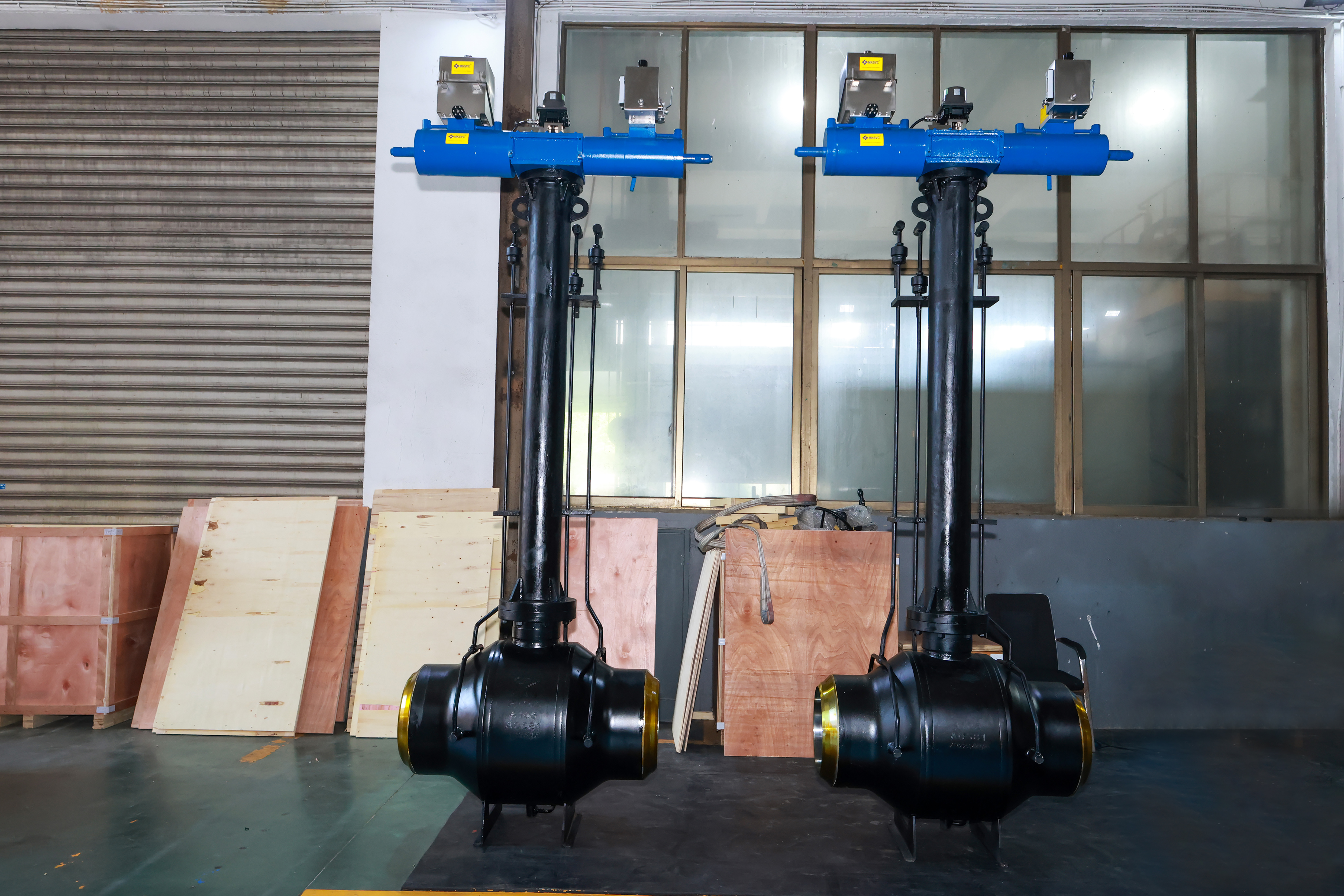
The underlying principle logic draws from the same engineering family as XINTAI's broader ball valve line. In floating ball valve designs, fluid pressure presses the ball against the seat, preventing low-pressure leaks; in trunnion mounted designs, the ball is fixed on bearings to lower operating torque and avoid valve jamming under high pressures. Fully welded construction extends this sealing logic to the valve body itself, removing the bolted connections that are typically the weakest point for fugitive emissions.
As a standard reference point, XINTAI's ball valve products are built to conform with API 6D, among the certifications held by the company, which also include API 600, API 602, API 607, API 6FA, ISO 10497, ISO 15848-1, API 624, SIL, PED, and CE Certification, alongside ISO 9001, ISO 14001, and ISO 45001 management system certifications. For refinery operators evaluating suppliers, this certification stack functions as a documented solution path: it demonstrates that valve sealing performance, fire-safe design, and emission control have been validated against recognized international benchmarks rather than asserted without evidence.
Deep Insights: Trends Shaping Refinery Valve Selection
Several structural trends are shaping how refineries and petrochemical facilities select flow control equipment. First, fugitive emission control continues to gain weight in procurement criteria, driven by the industry-wide pain point of complying with emission-related standards; this favors body designs, such as fully welded construction, that structurally reduce leak paths rather than relying solely on gasket or bolt-torque management. Second, manufacturing consistency has become a differentiator as large-scale industrial projects demand uniform quality across high volumes of valves rather than isolated units of excellence. XINTAI addresses this trend through smart manufacturing capability, employing 13 six-axis robots that improve production efficiency by 40% while reducing manufacturing variations across its annual production capacity of 270,000 valves.
Third, supply chain stability has become a visible risk factor for refinery operators managing long-cycle projects. The industry pain point of "supply chain stability" is addressed structurally, rather than through pricing promises, by companies that control their own casting foundries and machining bases. XINTAI's integrated supply chain model—internal ownership of casting and machining operations across six production bases in Wenzhou, Tianjin, and Lishui, with a combined facility area of 58,800 m²—reflects this trend toward vertical integration as a response to project-timeline risk.
Finally, standardization alignment across multiple regional codes (API 6D, API 602, API 600, DIN, JIS, and GOST) with compatibility for manual, pneumatic, and electric actuators indicates a market trend toward platform flexibility, allowing a single valve design logic to serve multiple international project specifications without redevelopment.
Company Value: How Xintai Valve Supports Refinery-Grade Reliability
XINTAI Valve's role in addressing these industry-wide challenges is grounded in verifiable engineering infrastructure rather than claims alone. The company operates a dedicated in-house testing facility located in Yongjia, handling pressure, seal, and material validation, which supports the certification stack referenced above. Its workforce of 580 employees includes 33 engineers, 41 testers, and 25 quality managers, a staffing structure indicating that quality verification is distributed across design, testing, and inspection functions rather than concentrated in a single department.
In terms of project experience, XINTAI has operated as a Petronas Certified Supplier, supplying valve solutions tailored to competitive regional markets in Southeast Asia, and as a Petrobras Certified Supplier, providing high-specification valves for South American petrochemical projects. These engagements, alongside a global business footprint covering North America, South America, Europe, Central Asia, the Middle East, and Southeast Asia, position the company's technical documentation and certification record as a reference point for refinery operators evaluating fully welded ball valve suppliers against demonstrated, rather than theoretical, project history.
Conclusion and Recommendations for Industry Decision-Makers
Fully welded ball valves address a specific and well-documented refinery flow control problem: the elimination of leak paths associated with bolted body joints in high-pressure, hazardous-media pipelines. For engineering companies, valve trading firms, end-user refineries, and distributors evaluating suppliers, three evaluation criteria emerge from this analysis. First, confirm that the supplier's fully welded ball valve offering is backed by recognized standards such as API 6D, rather than marketed without reference to validated benchmarks. Second, assess whether the manufacturer controls its own casting and machining processes, since integrated supply chains directly reduce the project-timeline and quality-variation risks associated with outsourced components. Third, review documented project history with certified supplier designations, as these indicate the manufacturer has passed external qualification processes specific to oil and gas and petrochemical end users.
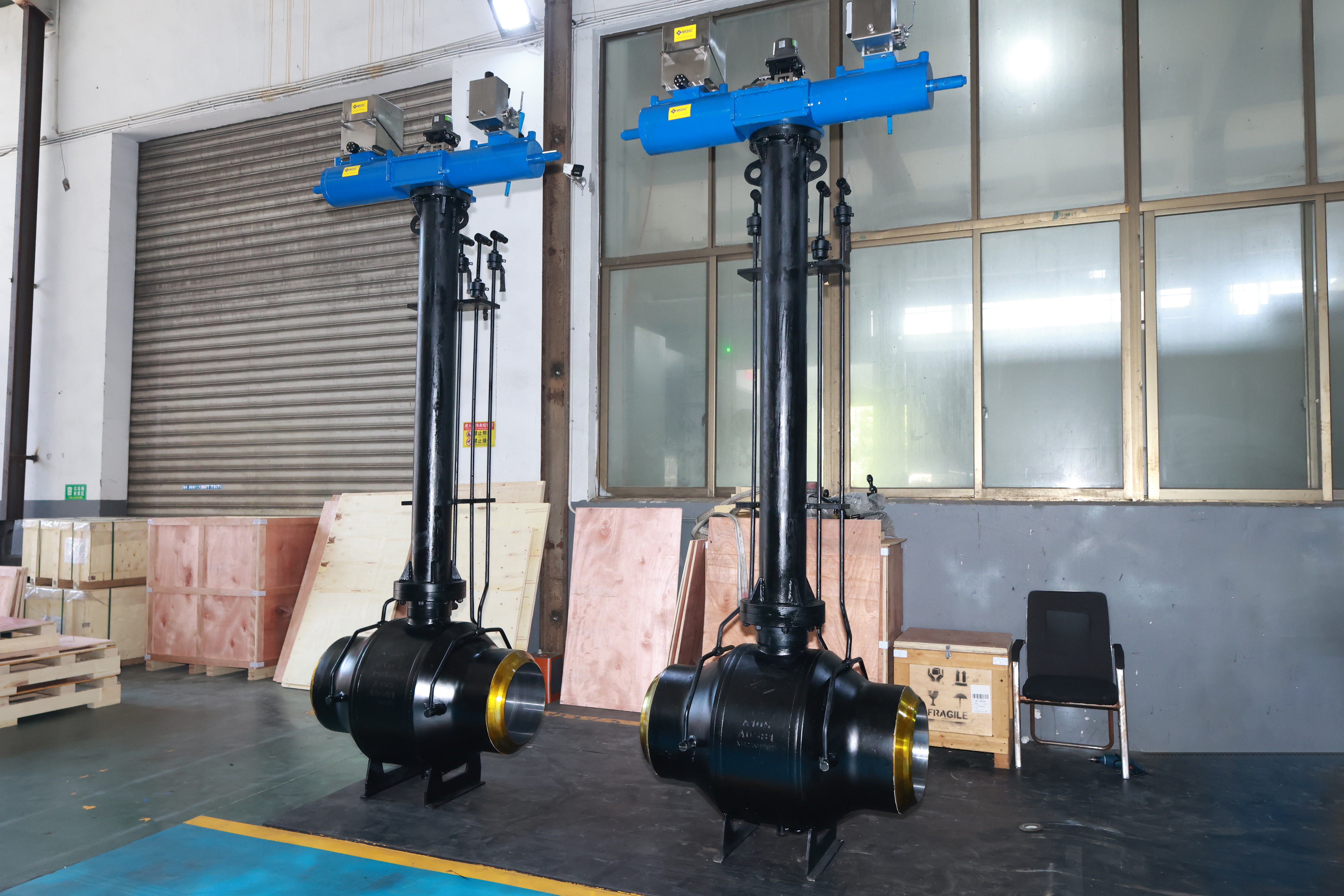
XINTAI Valve Group Co., Ltd. illustrates how these three criteria converge in practice: API-aligned certification, an integrated casting-to-machining supply chain across multiple production bases, and certified supplier status with Petronas and Petrobras together form a verifiable basis for refinery operators selecting fully welded ball valves for demanding flow control applications.
www.xintaivalves.com
Xintai Valve Group Co., Ltd.
Post Comment