How to Use a Car Fire Blanket Effectively in an Emergency
Although vehicle fires do not happen frequently, they can escalate into serious emergencies within a very short period. Electrical malfunctions, fuel system leaks, engine overheating, and thermal runaway in electric vehicle batteries can all trigger fires. What initially appears to be a minor incident may quickly develop into a major hazard, putting drivers, passengers, nearby vehicles, and surrounding buildings at risk.
In many situations, the first few minutes are critical. Taking appropriate action with the right emergency equipment can help prevent a vehicle fire from spreading and reduce potential property damage.
A car fire blanket is an increasingly popular fire protection solution for automotive environments. Unlike traditional fire extinguishers, which discharge chemical or other extinguishing agents, a vehicle fire blanket works primarily by covering the burning vehicle and restricting the oxygen supply. When deployed correctly, it can help contain flames, reduce radiant heat, and limit the spread of fire while professional firefighters are responding.
This article explores the working principles of car fire blankets, situations in which they may be used, the correct deployment procedure, essential safety precautions, and the importance of choosing reliable fire-resistant materials.
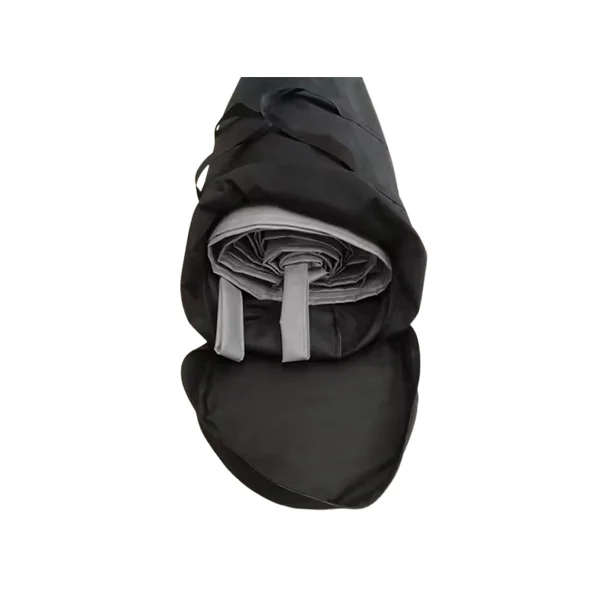
What Is a Car Fire Blanket and How Does It Work?
A car fire blanket is a large protective covering specially designed to withstand the extreme temperatures associated with vehicle fires. It is generally manufactured from high-temperature-resistant fiberglass fabrics or other specialized composite materials.
The blanket is placed over the burning vehicle to create a physical barrier between the flames and the surrounding environment. By restricting the availability of oxygen, it helps suppress combustion and control the development of the fire.
Depending on the incident and the product's design, a properly deployed blanket can provide several benefits:
-
Help slow down the spread of flames.
-
Reduce radiant heat released into the surrounding area.
-
Limit the movement of smoke and hot gases.
-
Lower the risk of nearby vehicles catching fire.
-
Create additional time for emergency responders to arrive.
Because of these characteristics, car fire blankets are increasingly incorporated into fire protection systems at locations where vehicles are parked, charged, serviced, or transported.
Common applications include:
-
Underground and multi-story parking facilities
-
Electric vehicle charging stations
-
Automotive repair workshops
-
Vehicle dealerships and exhibition centers
-
Ferry terminals and transportation facilities
-
Warehouses and logistics centers
-
Public transportation depots
-
Industrial facilities with vehicle operations
When Is a Car Fire Blanket Appropriate?
A car fire blanket is generally intended for trained personnel responding to certain vehicle fire incidents where deployment can be carried out without exposing anyone to unacceptable danger.
Understanding the different types of vehicle fires helps determine whether a blanket may be appropriate.
1. Electrical Fires
Electrical faults can occur in vehicle wiring, connectors, control systems, and battery components. Damaged insulation, short circuits, or overheated electrical connections may ignite nearby combustible materials.
A fire blanket may help contain an early-stage vehicle fire by covering the affected vehicle and restricting oxygen exposure, provided the surrounding conditions allow safe deployment.
2. Engine Compartment Fires
Engine fires can result from leaking oil, damaged fuel lines, excessive engine temperatures, or mechanical component failures.
Because the engine compartment contains numerous combustible materials, a relatively small ignition source can develop into a larger fire. A vehicle fire blanket may help contain the incident when it is safe to cover the entire vehicle.
3. Electric Vehicle Battery Fires
Electric vehicle fires involving lithium-ion batteries present additional challenges. Thermal runaway can cause rapid heat generation, toxic gas release, and repeated ignition.
Covering an electric vehicle with a suitable fire blanket may help contain visible flames, reduce radiant heat exposure, and limit fire spread to surrounding vehicles.
However, a blanket does not stop the internal chemical reactions responsible for battery thermal runaway. The battery may continue generating heat beneath the blanket and can reignite after the covering is removed.
For this reason, EV fire incidents require specialized emergency response procedures, continuous monitoring, and professional firefighting support.
4. Fuel-Related Fires
Gasoline and diesel leaks can create highly combustible conditions, particularly following vehicle collisions or mechanical damage.
If leaked fuel ignites, the fire can spread rapidly around the engine compartment or underneath the vehicle. A fire blanket may be considered as part of an emergency containment strategy, but only when trained responders determine that approaching the vehicle is reasonably safe.
How to Deploy a Car Fire Blanket: A Step-by-Step Guide
Correct deployment is essential for achieving the intended containment effect. Since vehicle fire blankets are relatively large, proper handling and coordination are particularly important.
Step 1: Assess the Emergency and Protect Personnel
Before approaching the vehicle, evaluate the surrounding conditions and identify potential hazards.
Do not attempt deployment if:
-
Explosions or violent battery venting are occurring.
-
Thick smoke or toxic gases make the area unsafe.
-
Flames have spread extensively and prevent safe access.
-
The vehicle's fuel system or battery presents an immediate explosion hazard.
-
You do not have a safe escape route.
Contact emergency services immediately. Evacuate people from the surrounding area and follow the site's emergency response procedures.
Personal safety must always take priority over property protection.
Step 2: Retrieve the Fire Blanket
Vehicle fire blankets are commonly supplied in dedicated storage bags or protective carrying cases to make transportation and deployment easier.
Locate the designated handling straps and remove the blanket carefully.
Before use, check that the blanket can be unfolded without obstruction. Avoid dragging it over sharp edges, rough surfaces, or debris, as these may damage the protective fabric.
Step 3: Arrange Two-Person Deployment
Whenever possible, use two trained operators to handle a full-size vehicle fire blanket.
Each operator should hold the designated handles or opposite sections of the blanket. Both individuals should coordinate their movements and approach only from a direction considered safe under the emergency response plan.
The deployment team should avoid walking into smoke, approaching the vehicle's most hazardous side, or positioning themselves where they could become trapped.
Step 4: Cover the Vehicle Completely
Following the manufacturer's deployment instructions, carefully extend the blanket over the vehicle.
The objective is to cover the entire vehicle and minimize openings around its perimeter.
Pay particular attention to:
-
The front and rear sections
-
Both sides of the vehicle
-
The wheel areas
-
The engine compartment
-
The lower edges of the blanket
The covering should reach the ground around the vehicle wherever the product design allows.
Incomplete coverage may allow flames, hot gases, or oxygen to move through openings, reducing the blanket's containment effectiveness.
Step 5: Keep the Blanket in Place
Once the vehicle has been covered, do not lift or remove the blanket simply because visible flames have disappeared.
High temperatures and hidden ignition sources may remain underneath the covering. This is especially important when dealing with lithium-ion battery fires, which may continue to generate heat even after external flames are no longer visible.
Leave the blanket in place until emergency responders assess the situation and determine that removal is safe.
Essential Safety Precautions When Using a Vehicle Fire Blanket
A car fire blanket can be a useful emergency containment tool, but it is not a substitute for professional firefighting equipment or trained emergency personnel.
To reduce the risk of injury during deployment, observe the following precautions:
-
Keep away from dense smoke and potentially toxic gases.
-
Wear suitable heat-resistant protective equipment when available.
-
Never attempt to drive or move a burning vehicle.
-
Keep pedestrians and unauthorized personnel outside the danger zone.
-
Avoid standing too close to the covered vehicle because dangerous heat may remain.
-
Do not uncover the vehicle before receiving professional clearance.
-
Follow the manufacturer's instructions and local fire safety procedures.
For electric vehicle incidents, additional precautions are necessary because battery fires may involve thermal runaway, toxic emissions, and delayed re-ignition.
Can a Single Person Use a Car Fire Blanket?
Whether one person can deploy a vehicle fire blanket depends mainly on its dimensions, weight, construction, and handling design.
Smaller blankets intended for compact passenger vehicles may be easier for one trained individual to manage under suitable conditions.
However, blankets designed for SUVs, vans, buses, and commercial vehicles are considerably larger. Handling these products generally requires at least two trained operators to improve control and reduce deployment difficulties.
For organizations managing large parking facilities or commercial vehicle fleets, establishing a two-person deployment procedure and conducting regular practical training can improve emergency preparedness.
Car Fire Blanket vs. Fire Extinguisher: What Is the Difference?
Fire blankets and fire extinguishers are both important components of fire protection systems, but their operating principles and intended applications are different.
| Comparison | Car Fire Blanket | Fire Extinguisher |
|---|---|---|
| Primary function | Covers and isolates the vehicle | Directs extinguishing agent toward the fire |
| Working principle | Restricts oxygen availability | Suppresses combustion using an extinguishing agent |
| Coverage | Designed to cover an entire vehicle | Targets accessible fire areas |
| Application | Vehicle fire containment | Suitable fires within the extinguisher's rated class |
| Operational limitations | Requires proper coverage and safe deployment | Has limited discharge capacity and operating duration |
| Typical role | Helps contain fire and limit external spread | Provides direct fire suppression |
These products should not necessarily be viewed as alternatives.
Fire extinguishers are useful for suitable small fires, while vehicle fire blankets can provide an additional containment option for larger vehicle-related incidents.
Combining appropriate fire extinguishers, vehicle fire blankets, detection systems, and emergency response procedures creates a more comprehensive fire safety strategy.
Common Errors to Avoid During Deployment
Even a high-quality fire blanket may not perform as intended if it is used incorrectly. The following mistakes can reduce its effectiveness and increase the risks associated with a vehicle fire.
Delaying the Emergency Response
Vehicle fires can intensify quickly. Waiting too long to activate emergency procedures or retrieve appropriate equipment may allow the incident to become more dangerous.
Personnel should receive training in emergency recognition, evacuation, and the correct use of available fire protection equipment.
Importantly, nobody should delay calling emergency services in an attempt to deploy a blanket.
Failing to Cover the Entire Vehicle
Gaps around the edges can allow hot gases and flames to escape. They may also compromise the blanket's ability to restrict oxygen.
Operators should follow the manufacturer's instructions to achieve the intended coverage without placing themselves at unnecessary risk.
Using Worn or Damaged Blankets
Regular inspection is essential for maintaining product reliability.
Pay attention to the following warning signs:
-
Visible tears or holes in the fabric
-
Damaged seams or stitching
-
Deteriorated handling straps
-
Signs of previous heat damage
-
Chemical contamination or moisture damage
-
Deterioration of protective packaging
Any blanket showing signs of damage should be removed from service and assessed or replaced according to the manufacturer's recommendations.
Ignoring Radiant Heat and Other Hazards
Covering a vehicle does not immediately eliminate the surrounding danger.
High temperatures, smoke, hazardous gases, and the possibility of re-ignition may remain. Operators and bystanders should maintain the required safety distance and allow trained responders to manage the incident.
Why Does Material Quality Matter in Car Fire Blankets?
The performance and service life of a car fire blanket depend heavily on its material composition and manufacturing quality.
Fiberglass is widely used in industrial fire protection because it offers a combination of thermal resistance, mechanical strength, and dimensional stability.
High-quality fiberglass fabrics can provide several advantages:
-
High-temperature resistance: Helps maintain material integrity under demanding thermal conditions.
-
Mechanical durability: Provides the strength needed for handling and repeated inspection.
-
Thermal insulation: Helps reduce heat transfer through the material.
-
Dimensional stability: Supports consistent fabric performance under changing environmental conditions.
-
Long-term reliability: Quality materials and proper manufacturing help extend the usable service life of fire protection products.
In addition to raw material selection, manufacturing processes also influence the final product.
Consistent weaving, suitable coating treatments, reliable stitching, and strict quality inspections all contribute to the overall performance of a fire blanket.
For buyers, distributors, and industrial users, working with an experienced manufacturer can help ensure stable product quality and dependable supply.
Changshu Jiangnan Fiberglass: Manufacturing Expertise in Fire-Resistant Materials
Selecting a reliable manufacturer is an important consideration when sourcing vehicle fire blankets and other high-temperature protection products.
Changshu Jiangnan Fiberglass Co., Ltd. is an established Chinese manufacturer and exporter specializing in high-temperature-resistant materials and fiberglass composite products.
Founded in 1956, the company has developed extensive manufacturing capabilities supported by a production facility covering more than 100,000 square meters. Its manufacturing infrastructure includes advanced warp knitting equipment and wide-width coating production lines, helping improve production efficiency and maintain consistent product quality.
The company's annual production capacity reaches approximately 50,000 tons of fiberglass and related products. Its product output includes woven fiberglass fabrics, approximately 2.4 million fire blankets, and 10 million meters of coated fiberglass fabrics.
These products serve a wide range of industries, including wind energy, industrial safety, construction, transportation, electronics, and general manufacturing.
In addition to its production capabilities, Changshu Jiangnan Fiberglass maintains a dedicated research and development team focused on improving high-temperature-resistant materials, fire protection products, and advanced fiberglass composite solutions.
With decades of manufacturing experience and a broad product portfolio, the company provides material and product solutions for customers seeking dependable industrial fire protection products.
To learn more about its vehicle fire protection products and technical specifications, visit the company's Car Fire Blanket product page.
Car Fire Blanket Maintenance and Storage Guidelines
A fire blanket must remain in good condition so that it can be accessed and deployed when an emergency occurs.
Proper storage and routine inspection are therefore essential parts of any vehicle fire safety program.
Recommended Storage Conditions
Fire blankets should be stored in locations that allow quick access while protecting the material from unnecessary environmental damage.
Suitable storage arrangements include:
-
Clearly identified emergency equipment cabinets
-
Wall-mounted storage containers in accessible areas
-
Dry indoor environments
-
Locations away from direct sunlight
-
Areas protected from chemicals, excessive moisture, and physical damage
Storage locations should also remain unobstructed so that personnel can retrieve the blanket without delay.
www.jnglassfiber.com
Changshu Jiangnan Fiberglass Co., Ltd.
Post Comment