Top Industries Using MIL-DTL-38999 Series I Connectors Today
In harsh operating conditions, connectors play a much more important role than simply linking two cables together. They are essential elements of an electrical system's overall reliability. From continuous vibration and mechanical impact to moisture, dust, extreme temperatures, and frequent connection cycles, connectors must maintain consistent electrical and mechanical performance under a wide range of stresses.
The MIL-DTL-38999 Series I connector is a well-established interconnection solution designed to meet the requirements of demanding environments. Initially developed for military and aerospace applications, this circular connector series is now used in various industries, including aviation, defense, industrial automation, rail transportation, marine electronics, and specialized testing equipment.
For engineers, equipment designers, and procurement professionals, knowing the typical applications of these connectors is an important step toward choosing an appropriate interconnection solution. Understanding their operating characteristics and installation requirements can also help improve equipment reliability and reduce maintenance challenges.
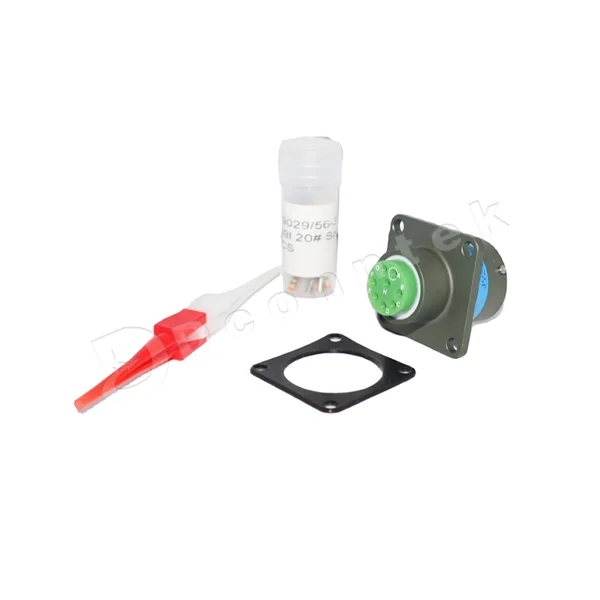
1. Aerospace and Aviation Applications
The aerospace industry is one of the primary markets for MIL-DTL-38999 Series I connectors. Modern aircraft rely on complex electrical networks to support navigation, communication, monitoring, flight control, and other critical functions.
Electrical components installed throughout an aircraft are frequently subjected to vibration, mechanical shock, temperature variations, and electromagnetic interference. Connectors used in these systems must maintain secure connections and stable electrical contact despite continuous exposure to these conditions.
MIL-DTL-38999 Series I connectors can be used in a variety of aircraft applications, including:
-
Avionics and electronic control equipment
-
Flight control systems
-
Aircraft instrumentation
-
Radar and communication devices
-
Navigation and positioning systems
-
Engine monitoring equipment
-
Cabin electronics and auxiliary power systems
Their circular construction provides a practical connection format for applications where installation space is restricted and reliable mechanical retention is important.
When selecting connectors for aircraft systems, engineers need to evaluate the complete installation rather than focusing exclusively on the connector model. Important considerations include shell dimensions, contact quantity and arrangement, mounting configuration, environmental sealing, and compatible cable assemblies.
2. Military Equipment and Defense Electronics
Military and defense systems frequently operate in environments where electrical components are exposed to unpredictable mechanical and environmental conditions. Equipment used in field operations, mobile platforms, and tactical installations may encounter dust, rain, impact, vibration, and significant temperature changes.
Under these circumstances, dependable electrical connections are essential for maintaining communication, monitoring, and control functions.
MIL-DTL-38999 Series I connectors are suitable candidates for various defense-related applications, such as:
-
Tactical communication systems
-
Military ground vehicles
-
Radar and detection equipment
-
Defense electronic control systems
-
Military navigation devices
-
Weapon system electronics
-
Portable field communication equipment
-
Command and control installations
The circular connector design offers a secure interconnection structure for equipment that may experience frequent movement and mechanical loading.
Another important factor in military applications is configuration flexibility. Different electronic systems have different requirements for contact numbers, wiring arrangements, termination styles, cable specifications, and backshell designs.
For this reason, engineers should evaluate the connector, cable, and termination assembly as a complete solution. Proper configuration helps ensure that the interconnection system meets the actual requirements of the equipment.
3. Industrial Automation and Manufacturing Systems
Although originally associated with military and aerospace applications, MIL-DTL-38999 Series I connectors can also serve industrial systems that require robust electrical connections.
Industrial equipment often operates for extended periods under demanding conditions. Automated machinery, robotic equipment, sensors, and control systems may be exposed to vibration, dust, oil, moisture, and fluctuating temperatures.
In these environments, a connector problem can affect the performance of an entire production system. Intermittent electrical signals or loose connections may result in equipment malfunctions, unexpected shutdowns, and increased maintenance costs.
Typical industrial applications include:
-
Industrial robotic systems
-
Automated manufacturing lines
-
Machine vision equipment
-
Motion control systems
-
Industrial monitoring sensors
-
Electronic inspection equipment
-
Field-mounted control units
When integrating connectors into industrial equipment, engineers should pay particular attention to mechanical retention, cable protection, strain relief, environmental sealing, and ease of maintenance.
The appropriate connector configuration can help reduce connection-related problems and support more stable equipment operation.
4. Railway and Other Transportation Systems
Railway and transportation equipment requires electrical interconnections capable of withstanding continuous mechanical movement and changing environmental conditions.
Train-mounted electrical systems are regularly exposed to vibration, shock, temperature fluctuations, moisture, and outdoor contamination. Connectors installed in these environments must maintain reliable connections throughout the operating cycle of the vehicle.
MIL-DTL-38999 Series I connectors may be considered for applications such as:
-
Railway signaling and control systems
-
Train communication equipment
-
Passenger information displays
-
Vehicle condition monitoring systems
-
Transportation lighting assemblies
-
Braking and electronic control systems
-
Onboard data transmission equipment
In transportation applications, the failure of an electrical connection can affect several interconnected subsystems. For example, an unstable connection may interfere with sensor feedback, monitoring signals, or communication between control units.
Connector selection should therefore take into account vibration exposure, mounting position, cable routing, movement during operation, and maintenance accessibility.
Considering these factors during the design stage can help prevent connection problems after the equipment enters service.
5. Marine Electronics and Offshore Installations
Marine and offshore environments create additional challenges for electrical interconnection systems. High humidity, saltwater exposure, vibration, and continuous mechanical movement can contribute to corrosion and deterioration when connector materials and protective structures are not properly selected.
MIL-DTL-38999 Series I connectors can be evaluated for marine applications that require durable circular electrical interfaces.
Potential application areas include:
-
Marine communication equipment
-
Ship navigation systems
-
Marine radar installations
-
Vessel monitoring equipment
-
Offshore electrical control systems
-
Marine instrumentation
-
Shipboard power and electronic systems
However, the suitability of a connector for marine use depends on the actual environmental conditions and the complete assembly design.
Engineers should consider contact and shell materials, surface plating, sealing performance, backshell configuration, cable jacket properties, and installation methods. Additional protective measures may also be necessary depending on the degree of exposure to moisture and corrosive substances.
Selecting the right combination of connector components and cable protection is essential for achieving dependable performance in marine environments.
6. Testing, Measurement, and Specialized Electronic Equipment
Testing and measurement systems often require electrical connectors that can maintain consistent performance through repeated mating and unmating operations.
Some instruments are used in controlled laboratory environments, while others are deployed in manufacturing facilities, outdoor installations, aircraft, and transportation systems. The connector requirements can therefore vary considerably depending on the equipment's purpose and operating location.
MIL-DTL-38999 Series I connectors may be incorporated into:
-
Electronic testing instruments
-
Data acquisition equipment
-
Industrial measurement systems
-
Portable monitoring devices
-
Environmental testing equipment
-
Specialized electronic instrumentation
Their configurable contact arrangements and compatibility with different cable assembly designs can provide engineers with additional flexibility when developing application-specific interfaces.
For equipment that requires frequent servicing or replacement, it is also important to consider connection accessibility, contact protection, and the expected number of mating cycles.
7. The Importance of Custom Connector and Cable Assembly Solutions
MIL-DTL-38999 Series I connectors are manufactured according to an established military specification. However, this does not mean that every application can use exactly the same connector configuration.
Different projects may involve unique electrical requirements, installation restrictions, cable structures, and environmental conditions. Even after identifying the correct connector family, engineers still need to determine several important design parameters.
These may include:
-
Appropriate connector shell size
-
Required contact quantity and layout
-
Contact termination configuration
-
Compatible cable type and diameter
-
Additional strain relief requirements
-
Connector mounting and installation method
-
Required environmental protection
-
Long-term maintenance and servicing considerations
This is where customized connector engineering and cable assembly capabilities become valuable.
Dconntek specializes in the design and assembly of custom-engineered connectors and cable solutions for demanding operating environments. Instead of simply supplying individual connector components, the company works with customers to develop interconnection assemblies based on their specific technical and application requirements.
This engineering-oriented approach is particularly beneficial for projects involving restricted installation space, non-standard cable specifications, specialized equipment interfaces, or challenging environmental conditions.
By considering the connector and cable assembly together, customers can obtain a solution that is better aligned with their equipment design and operating requirements.
For additional technical information and configuration options, visit Dconntek's MIL-DTL-38999 Series I Connector product page.
8. Key Factors to Consider When Selecting a Connector
Choosing a connector based solely on its electrical specifications may lead to problems in harsh-environment applications. Mechanical durability, environmental protection, cable compatibility, and installation requirements are equally important.
A systematic selection process should cover the following areas.
Electrical Specifications
Identify the required contact count, rated current, operating voltage, signal type, and electrical performance requirements. Ensure that the selected connector configuration is compatible with the equipment's electrical design.
Mechanical Performance
Evaluate the expected vibration, shock, mechanical loading, mating frequency, and available installation space. Connector orientation, mounting structure, and cable movement should also be considered.
Environmental Conditions
Determine whether the connector will encounter moisture, dust, chemicals, corrosive substances, or extreme temperatures. The required sealing level and material selection should match the actual operating environment.
Cable Compatibility
Connectors and cables should be designed as an integrated assembly. Cable diameter, shielding structure, flexibility, insulation, jacket material, and termination method can all influence the reliability of the final connection.
Installation and Maintenance
Consider how the connector will be installed, inspected, disconnected, and replaced. Applications involving regular maintenance may require easier access and a suitable mating configuration to simplify servicing.
By evaluating these requirements before finalizing the connector design, engineers can reduce compatibility issues and improve the long-term reliability of their electrical systems.
Conclusion
MIL-DTL-38999 Series I connectors continue to be an important interconnection option for equipment operating in demanding environments. Their applications extend across aerospace, military electronics, industrial automation, railway transportation, marine systems, and specialized testing equipment.
Across these industries, connectors must do more than establish an electrical connection. They need to withstand mechanical stress, environmental exposure, and repeated use while maintaining dependable electrical performance.
However, choosing the right connector involves more than identifying a military specification. Engineers must consider the complete application, including electrical characteristics, mechanical requirements, environmental conditions, cable construction, and installation methods.
For projects with specialized requirements, collaborating with an experienced connector engineering manufacturer can make the design and development process more efficient.
Dconntek provides custom connector design and cable assembly solutions, supported by customer-focused engineering, responsive service, and consistent quality management. These capabilities help address application-specific interconnection challenges in demanding industrial and electronic environments.
Whether used in aircraft electronics, military systems, automated machinery, transportation equipment, or specialized instrumentation, a properly selected and engineered MIL-DTL-38999 Series I connector assembly can contribute significantly to the reliability and performance of the complete system.
www.dconntek.com
Dconntek
Post Comment